

Boosting Growth and Natural Pest Control
- by Fitfit Garden

One of the oldest gardening practices utilized to stimulate growth, discourage unwanted pests, and improve crop yields is companion planting. By understanding the symbiotic relationships within the plant kingdom, any gardener can develop a healthy ecosystem that is amicable to nature but highly favorable for crops. This in-depth guide walks you through the concepts of beneficial plant relationships and provides practical tips to maximize your gardening success.
What is Companion Planting?
Companion planting is a strategic growing technique where different species are intercropped to allow for beneficial interactions. Some plants act as natural deterrents for pests, while others improve soil quality or enhance the flavor and growth of their neighbors. This practice combines scientific principles with centuries of practical experience.
Key Benefits Include:
-
Pest Control: Certain plants repel harmful insects or attract helpful predators.
-
Improved Growth: Companions can provide structural support, essential shading, or vital nutrients.
-
Soil Enrichment: Legumes, such as beans, naturally fix nitrogen in the soil to benefit future crops.
-
Space Maximization: Diverse planting habits allow for more efficient use of smaller garden areas.
Understanding Vital Plant Relationships
In a successful garden, knowing which plants are "friends" is just as important as knowing which ones compete for resources.
-
Beneficial Companions:
-
Tomatoes and Basil: Basil repels aphids and is widely believed to improve the flavor of tomatoes. For the best results, start your tomatoes in Miracle-Gro Peat-Free Compost to give them a nutrient-rich foundation.
-
The Three Sisters: A classic combination where corn provides a scaffold for beans, beans fix nitrogen, and squash acts as a ground cover to prevent weeds.
-
-
Incompatible Pairings:
-
Tomatoes and Potatoes: Both are highly susceptible to blight and can easily transmit the disease to one another.
-
Carrots and Dill: Planting dill too close to carrots can lead to stunted growth.
-
Strategic Combinations for a Healthy Garden
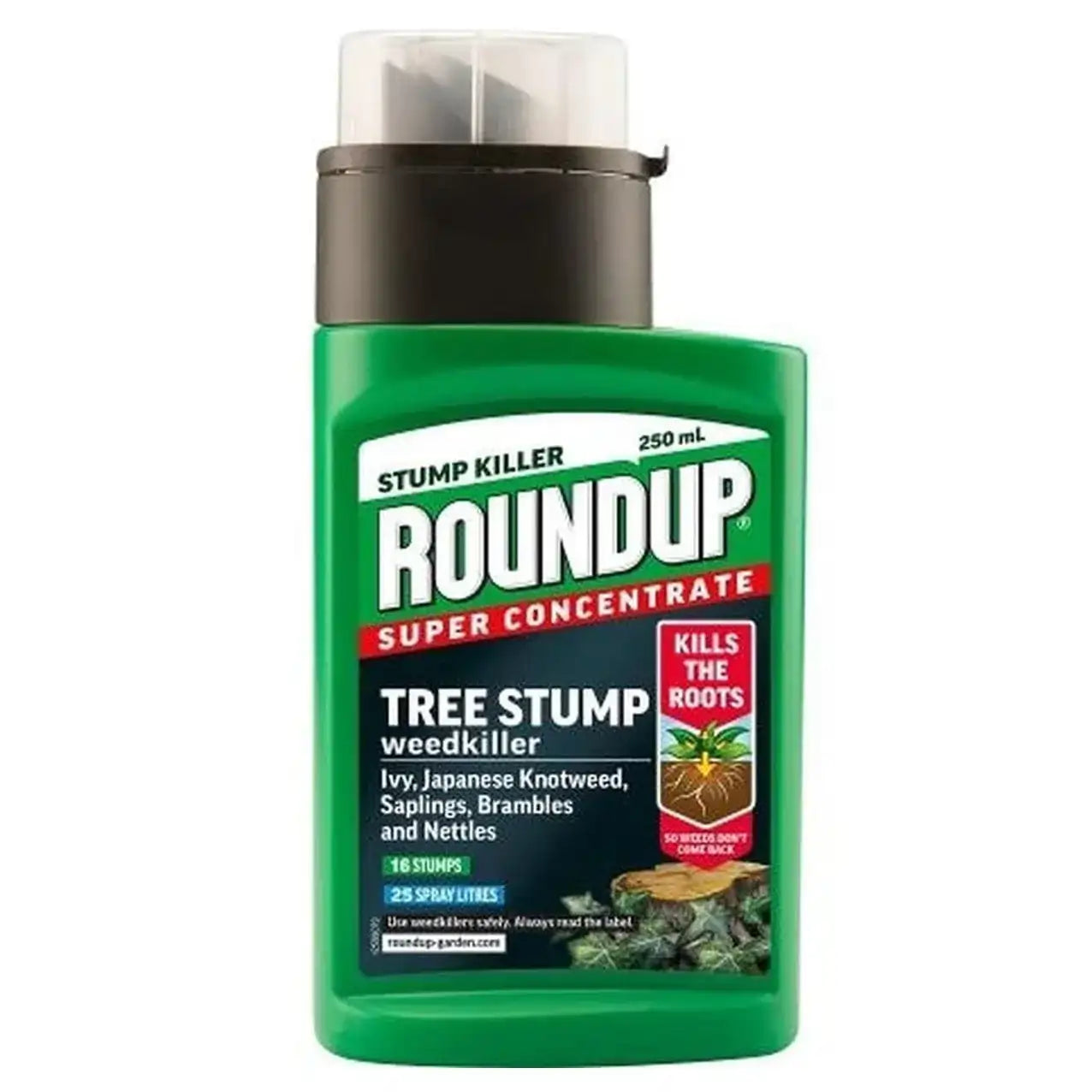
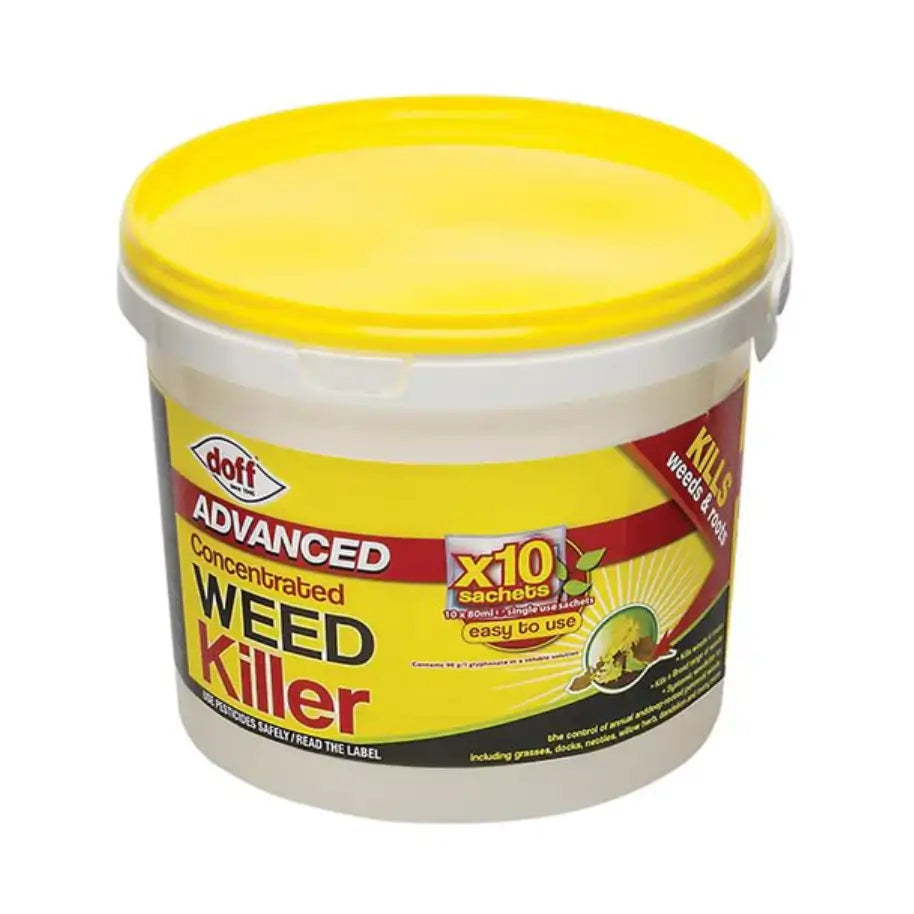
To maintain a pristine garden while utilizing these natural relationships, you can integrate professional maintenance products from our Weed Killer.
-
Protecting Your Pairs: While Marigolds help repel nematodes from tomatoes, you may still need to manage invasive weeds in nearby paths. Using a Natural Weed Killer or Pet Safe Weed Killer ensures your beneficial insects and pollinators remain unharmed.
-
Managing Pests Safely: If your Nasturtiums are busy attracting aphids away from your cucumbers, ensure your vegetable patch isn't overrun by slugs. Applying Wool Pellets for Slugs or a targeted Slug killer provides an effective barrier for your delicate seedlings.
Practical Tips for Success
-
Plan Your Layout: Sketch your garden first to group compatible species and separate those that clash.
-
Crop Rotation: Regularly changing plant locations prevents soil depletion and reduces the buildup of soil-borne diseases.
-
Maintain Soil Health: Support your companion pairs by using high-quality fertilisers. For lush lawns surrounding your beds, Miracle-Gro EverGreen Complete 4-in-1 helps keep grass thick and competitive against weeds.
Conclusion
Companion planting is a proven strategy for creating a sustainable and productive garden. By harnessing the power of nature and supporting it with the right tools—such as Resolva Weed killer for maintenance or Slug killer for protection—you can minimize pests and maximize your yields for a beautiful, healthy harvest