




Lawn Soil
Lawn Soil
 SALE
SALE
 SALE
SALE
 SALE
SALE
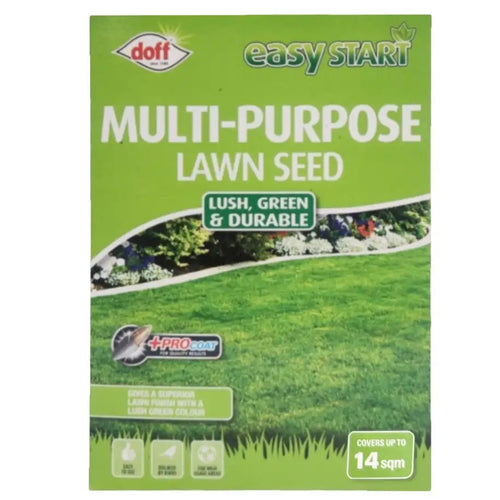
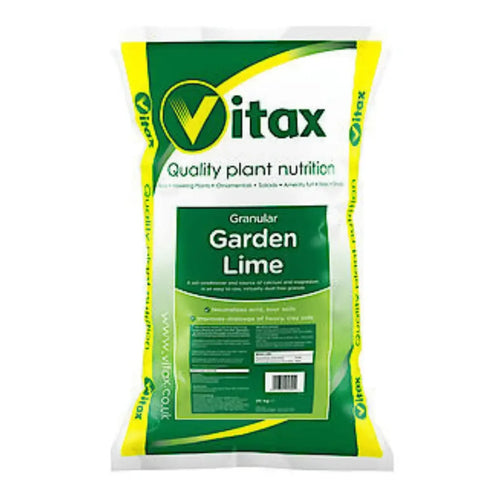
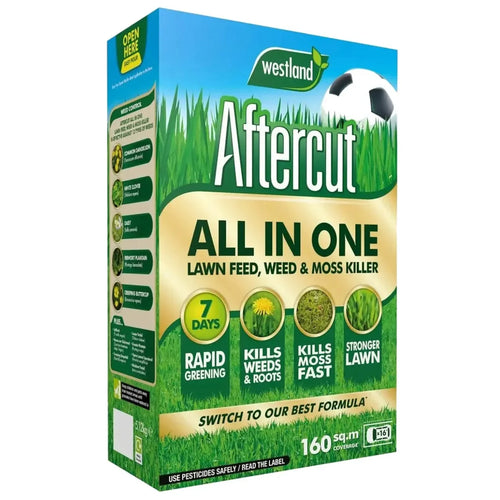
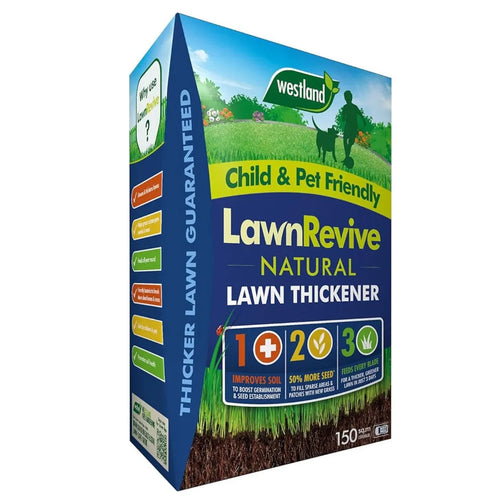
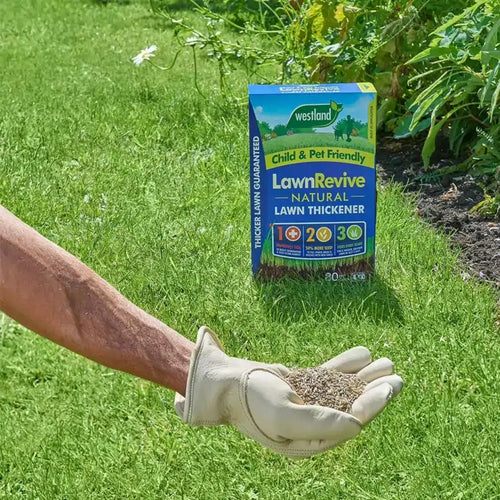
A beautiful, green lawn starts with the right type of soil. Whether you're seeding a new lawn, revamping an existing one, or simply improving soil conditions, the quality of your lawn soil plays a critical role in the success of your grass. Proper soil preparation ensures that your lawn has the nutrients, structure, and drainage it needs to thrive.
What is Lawn Soil?
Lawn soil is the foundational layer of soil that supports the growth of grass and other plants. It must have the right balance of nutrients, texture, and drainage to allow grass to root properly and grow healthily. Ideal lawn soil has a loamy texture, meaning it retains enough moisture to nourish plants while draining excess water effectively. It also needs to be rich in organic matter, which provides essential nutrients that help grass grow strong and resilient.
For lawns, soil needs to be more than just dirt—it needs to support good root development, water retention, and provide nutrients that allow grass to flourish. Depending on the type of soil in your garden (e.g., clay, sandy, or loamy), you may need to amend it with specific soil products to improve its quality for seeding or maintenance.
Types of Soil for Lawn Care
Loamy Soil: Loamy soil is considered the best type of soil for lawns. It’s a balanced mix of sand, silt, and clay, which ensures good water retention, drainage, and aeration. Loamy soil allows for easy root penetration and promotes healthy grass growth.
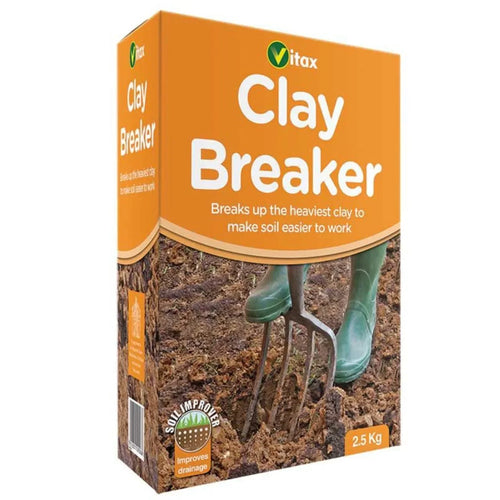
Clay Soil: Clay soil can retain too much moisture, leading to poor drainage and compacted soil. However, it is rich in nutrients. If you have clay soil, you’ll need to improve its structure by aerating and adding organic matter such as compost to prevent waterlogging and encourage root growth.
Sandy Soil: Sandy soil drains quickly and doesn't hold onto moisture or nutrients well. While it provides excellent drainage, it often lacks the nutrients needed for grass to thrive. If your lawn has sandy soil, you may need to add organic matter or topsoil to help retain moisture and provide nutrients.
Silty Soil: Silty soil has fine particles that retain moisture well but may not drain adequately. Silty soil can become compacted, making it harder for grass roots to grow. Improving drainage and aerating silty soil is key to maintaining a healthy lawn.
Topsoil for Lawn
Topsoil is the uppermost layer of soil that provides the foundation for growing grass and plants. High-quality topsoil is rich in nutrients and organic matter, which is essential for healthy lawn growth. When choosing topsoil for your lawn, consider the following:
Nutrient Content: Good topsoil should be rich in essential nutrients such as nitrogen, phosphorus, and potassium. This will help your lawn grow quickly and stay healthy.
pH Balance: The pH level of topsoil is important for ensuring the grass can absorb nutrients effectively. Aim for topsoil with a pH between 6.0 and 7.0 for optimal grass growth.
Organic Matter: Look for topsoil that contains organic matter, like compost or decomposed plant material. Organic matter helps improve soil structure, increases moisture retention, and provides a steady supply of nutrients to your grass.
Drainage: Topsoil should have good drainage to prevent waterlogging. If your topsoil retains too much water, you may need to mix it with sand or other soil amendments to improve drainage.
Preparing Soil for Lawn Seeding
Remove Existing Grass and Weeds: Before seeding your lawn, remove any existing grass or weeds. You can do this by mowing the area low and using a weed killer or digging up weeds by hand. This ensures that the grass seed will not compete for space or nutrients with existing plants.
Loosen the Soil: Use a garden rake or hoe to break up compacted soil and create a loose seedbed. Aerating the soil with a lawn aerator is also an effective way to promote root growth and improve water and nutrient absorption.
Add Organic Matter: Incorporating compost or other organic material into the soil can help improve soil structure, increase moisture retention, and provide nutrients for young grass seedlings. Spread a thin layer of compost over the soil and lightly rake it in.
Level the Soil: Make sure the soil is level and smooth before applying the grass seed. This helps ensure that the seed is evenly distributed and has a uniform opportunity to germinate.
Apply the Grass Seed: Once the soil is prepared, evenly spread the grass seed over the area using a lawn spreader. Make sure to follow the recommended seed rate for your specific grass type.
Watering: After seeding, water the area gently to ensure that the seeds settle into the soil. Keep the soil moist until the grass has germinated and established itself.
Lawn Soil Care Tips
Aerate Your Lawn Regularly: Lawn aeration helps reduce soil compaction, allowing water, nutrients, and air to reach the roots more effectively. Aerate your lawn at least once a year, preferably in the spring or fall, to keep your soil healthy.
Fertilize Appropriately: Fertilizing your lawn helps replenish nutrients that may have been depleted by heavy rainfall, foot traffic, or other factors. Apply fertilizer during the growing season to support healthy grass growth.
Maintain Proper Drainage: Ensure that your lawn has proper drainage to prevent water from pooling and creating soggy conditions. If your soil tends to retain water, consider adding sand or organic material to improve drainage.
Test Soil pH: Regularly test the pH of your lawn soil to ensure it remains in the optimal range for grass growth (pH 6.0 to 7.0). If your soil is too acidic or alkaline, amend it as needed to maintain healthy grass.
FAQs
What is the best soil for lawn seeding?
The best soil for lawn seeding is loamy soil that is well-draining and nutrient-rich. It ensures good seed-to-soil contact and provides the ideal conditions for grass seeds to germinate and grow.
Can I use topsoil for lawn care?
Yes, topsoil is essential for lawn care, especially when preparing the ground for new grass or repairing a patchy lawn. Ensure that the topsoil is high-quality and contains plenty of organic matter.
How can I improve soil for lawn seeding?
To improve soil for lawn seeding, loosen compacted soil, add organic matter (like compost), and ensure proper drainage. Adjust the soil pH if necessary to create an optimal environment for grass seed germination.
Should I fertilize the soil before or after seeding my lawn?
It’s best to apply a starter fertilizer before seeding your lawn. This provides essential nutrients that will help the grass seedlings establish strong roots. Be sure to follow the recommended application rate for the fertilizer.
How often should I aerate my lawn?
Aerate your lawn once a year, preferably in the spring or fall. If your lawn is heavily used or has compacted soil, you may want to aerate more frequently.