



Garden Plant Pest Control
Garden Plant Pest Control
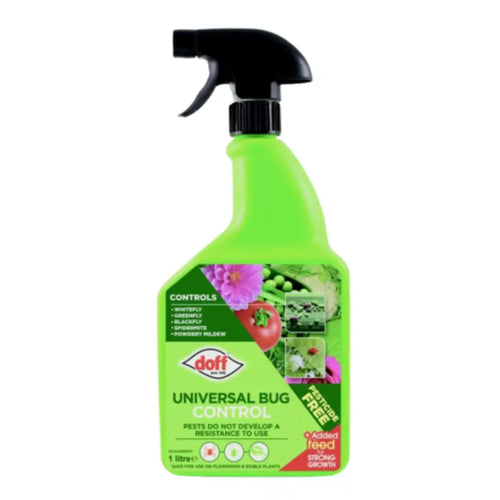
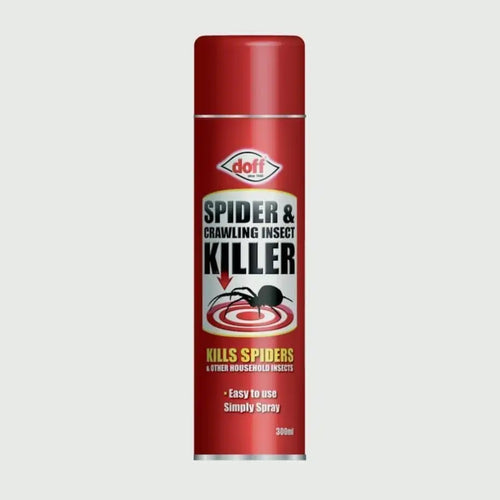
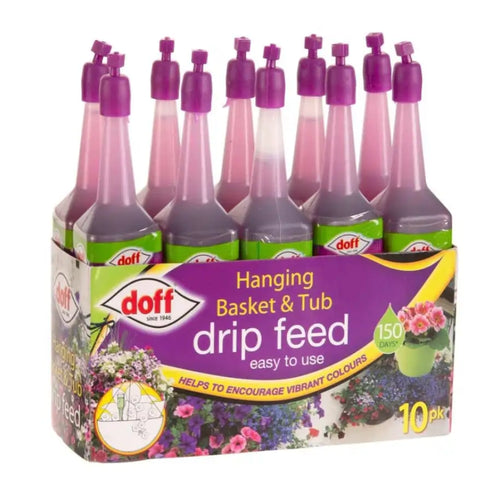 SALE
SALE
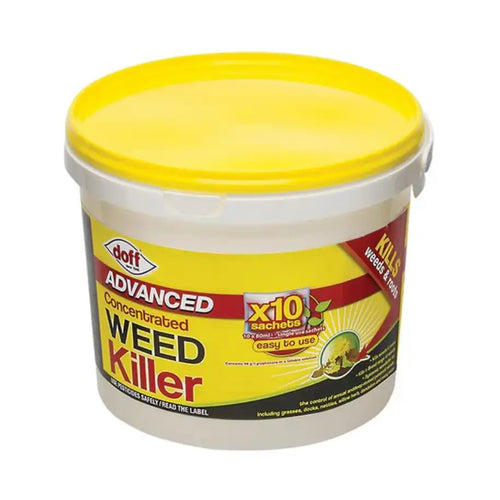
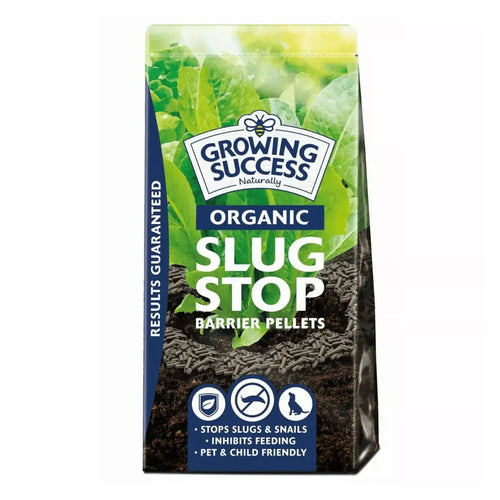
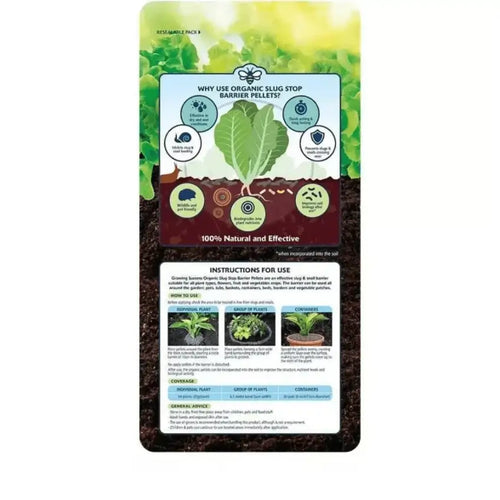
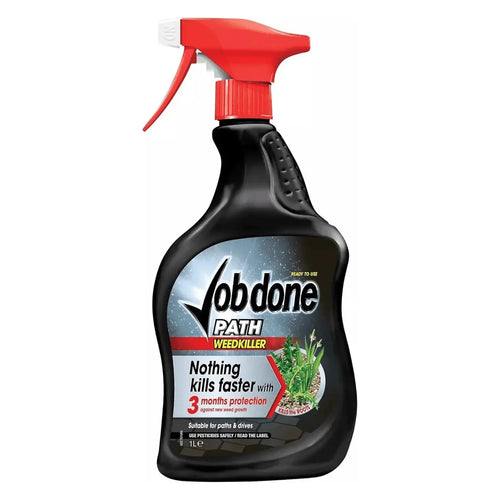
 SALE
SALE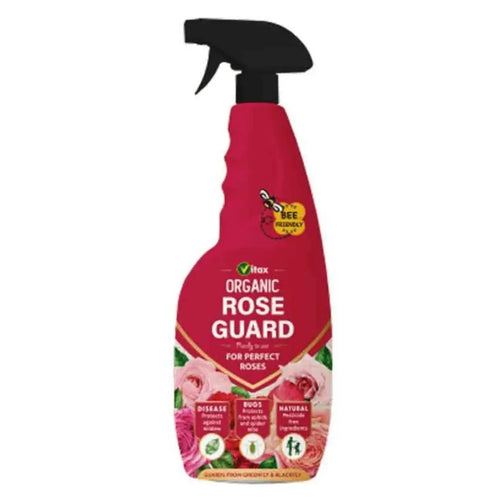
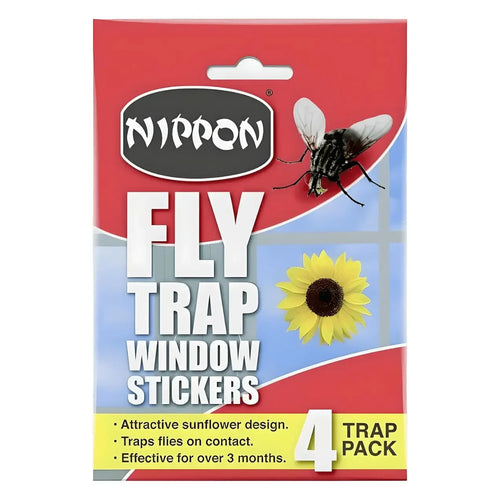
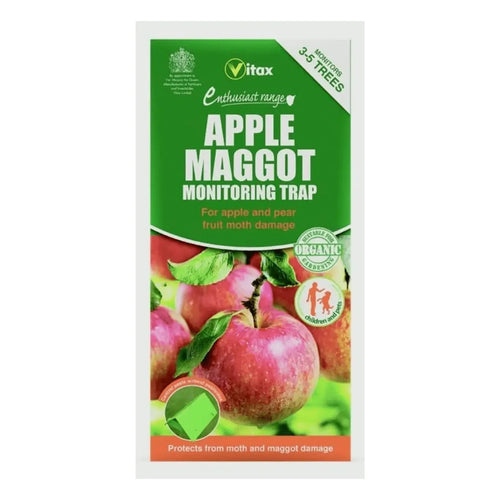
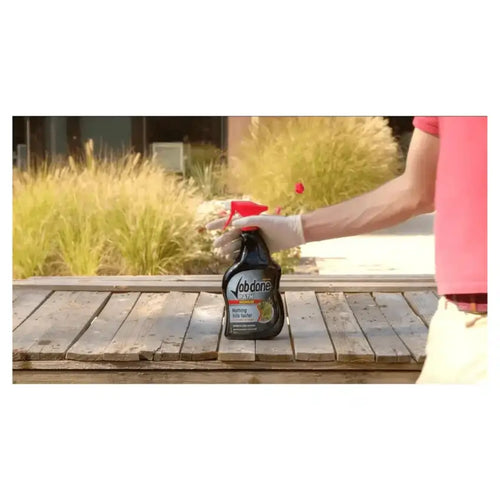
A beautiful garden thrives on healthy plants, but pests can quickly destroy the fruits of your labor. Garden pest control is essential to ensure that your plants remain strong, healthy, and free from harmful insects. Whether you’re dealing with aphids, slugs, or caterpillars, effective pest control methods can make all the difference.
Why Garden Plant Pest Control is Important
Pests can cause significant damage to garden plants by feeding on leaves, stems, and roots, weakening them and stunting their growth. Some pests also carry diseases that can spread to other plants, leading to widespread damage. Effective pest control helps maintain the health of your plants, ensures healthy yields in vegetable gardens, and keeps ornamental plants looking vibrant.
Using proper pest control methods can prevent long-term damage and reduce the need for expensive treatments. Whether you prefer natural remedies or chemical solutions, there are various ways to control pests and protect your garden.
Common Garden Plant Pests
Aphids: These small, soft-bodied insects feed on plant sap, often causing leaves to curl, yellow, and become deformed. Aphids also excrete honeydew, which can lead to the growth of sooty mold.
Caterpillars: Many species of caterpillars feed on plant leaves, causing large holes and significant damage to garden plants. They are especially problematic for crops like cabbage, lettuce, and broccoli.
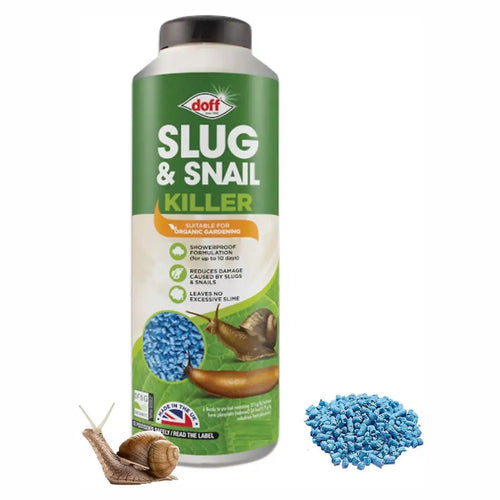
Slugs and Snails: These slimy pests feed on tender plant tissues, leaving behind holes in leaves and stems. Slugs and snails are especially active during wet conditions and can cause significant damage to young plants.
Whiteflies: Similar to aphids, whiteflies feed on plant sap, weakening the plant and causing yellowing leaves. They also produce honeydew, attracting mold and other pests.
Spider Mites: Spider mites are tiny arachnids that create webs on plants while feeding on plant juices. They can cause leaf discoloration and speckling, and in severe cases, plants may wither and die.
Cutworms: These larvae feed on plant stems, particularly seedlings, cutting them off at the soil level. They are especially harmful to young plants and can quickly devastate a garden if not controlled.
Chemical Pest Control for Garden Plants
While natural methods are ideal for many gardeners, there are situations where chemical pest control may be necessary, especially for severe infestations. When using chemical pesticides, always choose products that are safe for your specific plants and follow the manufacturer’s instructions carefully to avoid harming your plants or the environment.
Systemic Insecticides: These chemicals are absorbed by the plant and circulate throughout its tissues, killing pests that feed on the plant. They are effective against pests like aphids and whiteflies but should be used sparingly.
Contact Insecticides: These insecticides kill pests upon direct contact. They are ideal for quick pest control, but they may not be as effective against pests hiding on the underside of leaves or deep in the plant.
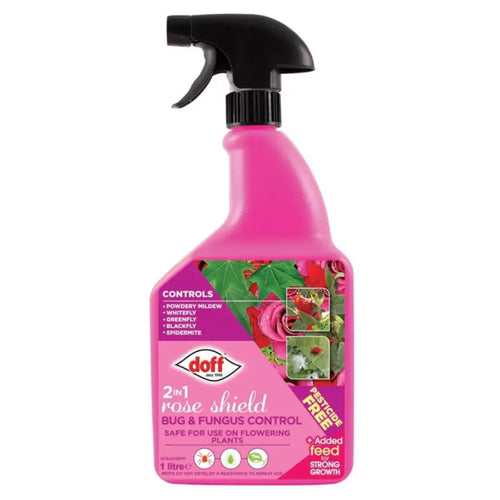
Fungicides: If your garden plants are suffering from fungal diseases, such as powdery mildew or rust, fungicides can help control the infection. Many fungicides are also effective at preventing fungal issues from spreading.
Granular Pesticides: These pesticides can be applied to the soil to target soil-dwelling pests like cutworms and root maggots. Granular pesticides release slowly over time and can provide long-lasting protection.
FAQs
What is the best way to control aphids in the garden?
Aphids can be controlled with natural predators like ladybugs, neem oil, or insecticidal soap. You can also spray your plants with a strong stream of water to dislodge aphids from leaves.
How do I control slugs and snails in my garden?
Slugs and snails can be controlled with diatomaceous earth, beer traps, or by placing copper tape around plants. You can also hand-pick them in the evening when they are most active.
What’s the best way to prevent powdery mildew on garden plants?
Powdery mildew thrives in humid conditions. Prevent it by ensuring good air circulation, watering at the base of the plant, and removing infected leaves. You can also use fungicides to treat the infection.
Can I use natural pest control methods on all garden plants?
Yes, natural methods like neem oil, insecticidal soap, and diatomaceous earth are generally safe for most garden plants. However, always test a small area of the plant first to ensure it doesn’t react negatively.
How often should I check my garden for pests?
It’s a good idea to check your garden at least once a week for signs of pests or diseases. Early intervention is crucial for effective pest control.