



Houseplant Pest & Disease Control
Houseplant Pest & Disease Control
 SALE
SALE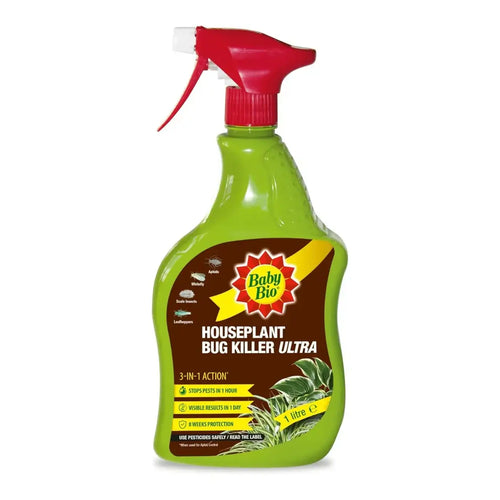
 SALE
SALE
 SALE
SALE
 SALE
SALE
 SALE
SALE SALE
SALE
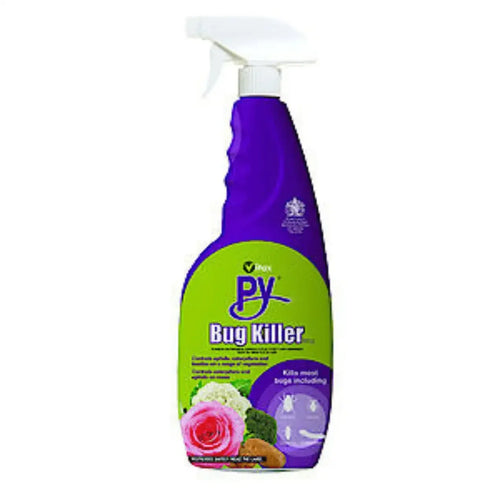
Houseplants are a beautiful addition to any home, but they are not immune to pests and diseases. From tiny insects like aphids and mealybugs to fungal infections like powdery mildew, houseplants can face a variety of threats. Effective pest and disease control is essential to maintaining the health of your indoor plants.
Why Houseplant Pest & Disease Control is Important
Indoor houseplants may be protected from outdoor elements, but they can still fall victim to pests and diseases. These threats can weaken plants, stunt growth, or even lead to plant death if not properly managed. Houseplant pest and disease control helps ensure that your plants stay healthy and vibrant, allowing them to thrive in your home environment.
By addressing pest infestations early and managing plant diseases, you can avoid major damage and promote healthy growth. Effective pest and disease control also minimizes the need for chemical treatments, which is a better option for both your plants and the environment.
Common Houseplant Pests and Diseases
Aphids: These tiny insects feed on plant sap, causing leaves to curl and yellow. Aphids often leave behind a sticky residue called honeydew, which can attract mold.
Mealybugs: Mealybugs appear as small, cotton-like clumps on the plant. They are also sap-suckers, and they can weaken plants by depriving them of essential nutrients.
Spider Mites: Spider mites are tiny, but they cause significant damage by sucking the sap from plant leaves. They often create fine webbing on the plant and cause yellowing or speckled leaves.
Scale Insects: Scale insects appear as small, hard bumps on plant stems and leaves. These pests can weaken plants by feeding on their sap and cause leaf drop.
Powdery Mildew: A common fungal disease, powdery mildew shows up as white, powdery spots on leaves. It thrives in warm, humid conditions and can weaken plants over time.
Root Rot: Caused by overwatering, root rot is a common problem for houseplants. The roots become waterlogged and can no longer absorb nutrients, causing the plant to wilt and die.
Indoor Houseplant Pest Control: Dealing with Common Issues
How to Deal with Spider Mites: If you notice fine webbing on your plants, check for spider mites. These pests can be controlled by spraying the plant with a mixture of water and insecticidal soap or neem oil. Increase humidity around the plant, as spider mites prefer dry conditions.
Handling Fungus Gnats: Fungus gnats are often found in damp soil. To prevent them, avoid overwatering and allow the top layer of soil to dry out between waterings. You can also use yellow sticky traps to catch adult gnats or apply a biological control like beneficial nematodes to target the larvae.
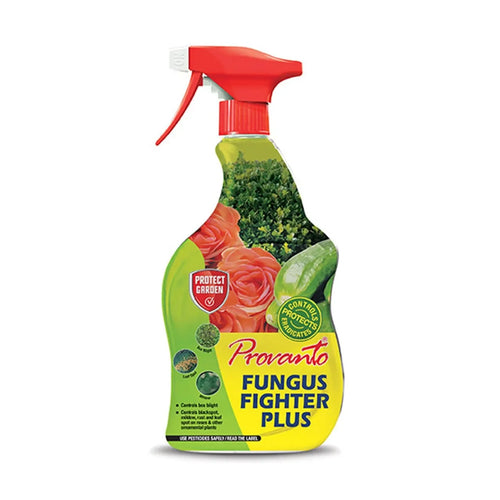
Preventing Powdery Mildew: To prevent powdery mildew, avoid overhead watering, which can create a humid environment that encourages fungal growth. Use fungicides if necessary, or apply a homemade remedy using a mixture of baking soda and water to treat infected plants.
FAQs
How do I know if my houseplant has pests?
Signs of a pest infestation include yellowing or wilting leaves, sticky residue on leaves (from aphids or mealybugs), or visible pests like small bugs, webs, or clumps of cotton-like material.
Can I use natural pest control methods on all houseplants?
Yes, natural pest control methods like neem oil, insecticidal soap, and diatomaceous earth are generally safe for most houseplants. Always test on a small area first to ensure there is no negative reaction.
What should I do if my plant has root rot?
To treat root rot, remove the plant from its pot and trim off any rotten roots. Repot the plant in fresh, well-draining soil, and ensure that it is not overwatered moving forward.
How often should I inspect my houseplants for pests?
It’s a good idea to inspect your houseplants at least once a week for any signs of pests or diseases. Early detection is key to controlling infestations before they become severe.
Can I use chemical pesticides indoors?
While chemical pesticides can be effective, they should be used cautiously indoors. Choose products that are specifically labeled for indoor use, and always follow the manufacturer’s instructions carefully to avoid harming your plants or home environment.