


Seed & Cutting Compost
Seed & Cutting Compost
 SALE
SALE
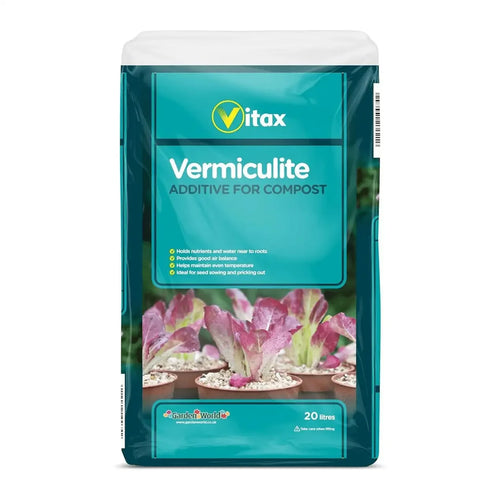
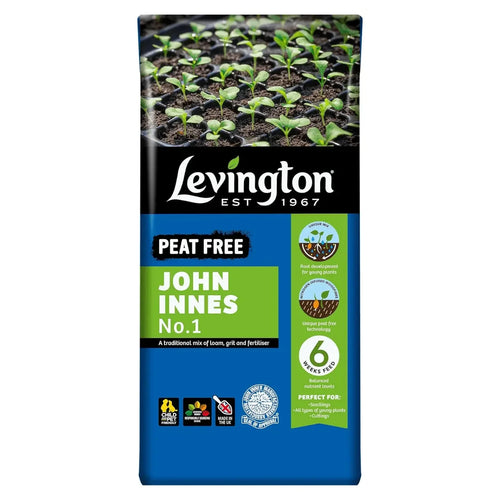
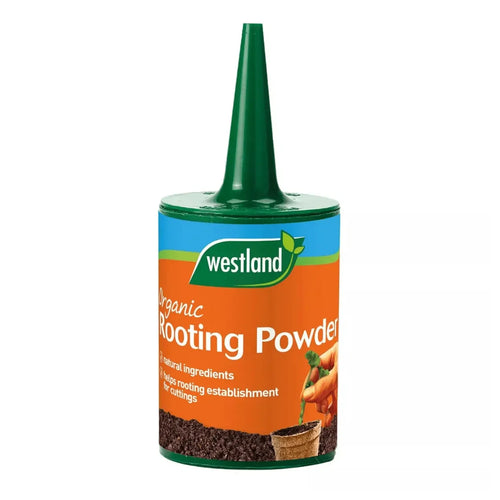
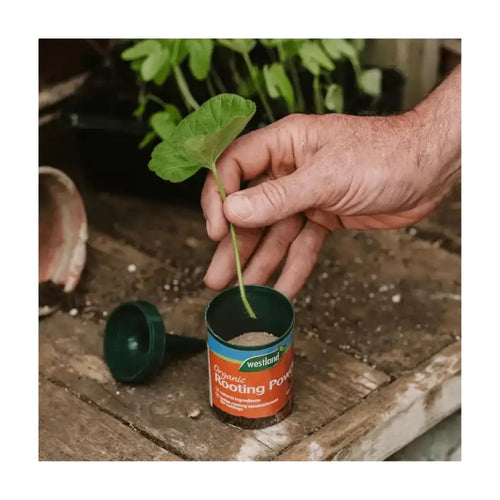
Starting plants from seeds or cuttings can be an incredibly rewarding experience, but success relies on providing the right conditions for growth. Seed & cutting compost is specially formulated to support the delicate early stages of plant development. In this guide, we’ll explore the benefits of using seed and cutting compost and why it’s essential for giving your plants the best possible start.
What is Seed & Cutting Compost?
Seed & cutting compost is a lightweight, fine-textured growing medium designed specifically for propagating seeds and taking cuttings. It is usually made from a blend of peat, coir, and other organic materials that provide excellent aeration, moisture retention, and drainage. This mix ensures that the delicate seeds or roots of cuttings can establish themselves without being overwhelmed by excess moisture or poor soil structure.
Unlike general-purpose compost, seed and cutting compost is formulated to be less rich in nutrients to prevent seedlings from becoming "leggy" or overstressed. Its focus is on providing the ideal texture and conditions that promote strong root development and healthy growth.
Benefits of Using Seed & Cutting Compost
Optimized for Germination: Seed and cutting compost is designed to create the best conditions for seed germination and root development. The fine texture allows seeds to easily make contact with the soil, encouraging strong, healthy growth from the start.
Improved Root Development: For cuttings, the right compost provides the ideal environment for roots to develop quickly and securely. The proper air circulation and moisture levels in seed and cutting compost ensure the cuttings don't rot or dry out, giving them the best chance of success.
Good Drainage: One of the most important features of seed and cutting compost is its excellent drainage. This is vital to avoid waterlogging, which can kill young plants. Proper drainage ensures the roots don’t sit in stagnant water, reducing the risk of diseases like root rot.
Lightweight and Fine Texture: Seed and cutting compost has a very fine, crumbly texture that is light enough for young plants to root easily. It offers a delicate balance of structure and aeration, giving seedlings and cuttings the space they need to grow strong.
Support for New Plants: Since it is low in nutrients, seed & cutting compost encourages a slow, steady growth, allowing plants to develop their roots first before focusing on above-ground growth. This gives them a solid foundation for a healthy life once they are transplanted into larger pots or the garden.
What to Look For
The best compost for seeds and cuttings will have the following features:
Light and fine texture: Ensures good aeration and root development.
Good drainage: Prevents waterlogging and encourages healthy root growth.
Low nutrient content: Helps prevent seedlings from becoming "leggy" while focusing on root establishment.
Sterile and clean: Prevents the introduction of pathogens or pests that could harm your seeds or cuttings.
Look for products that are labeled specifically for seed and cutting use, as they are tailored to the needs of young plants.
Ideal for Rooting and Germination
Seed cutting compost is perfect for propagating plants from cuttings. Whether you are growing plants from woody stems or soft tips, using the right compost ensures that the cutting receives proper moisture and air circulation, encouraging root formation. This type of compost also helps retain just enough moisture to keep the cutting healthy without encouraging mold or rot.
For gardeners looking to propagate their favorite plants or start new ones from seeds, seed cutting compost is a must-have product. By creating the right conditions, you’ll give your seeds and cuttings the best chance of success.
FAQs
What’s the difference between seed and cutting compost and regular compost?
Seed and cutting compost is specifically formulated to have a fine texture and low nutrient content, providing optimal conditions for germination and rooting. Regular compost, on the other hand, is richer in nutrients and may not be ideal for delicate seedlings or cuttings.
Can I use regular compost for seeds and cuttings?
It’s best to use seed and cutting compost for seeds and cuttings, as regular compost can be too rich in nutrients and may not have the fine texture needed for healthy root development.
How do I know when to transplant my seedlings or cuttings?
Once your seedlings or cuttings have established strong roots and begun to grow above the surface, they are ready to be transplanted into larger pots or into the garden. The roots should be visibly growing out of the compost and the plants should be sturdy enough to handle the move.
Can I reuse seed and cutting compost?
It’s generally best not to reuse seed and cutting compost. After the germination or rooting process, the compost will have lost much of its structure and nutrient value, and reusing it could introduce pests or diseases.
Is seed and cutting compost sterile?
Most high-quality seed and cutting compost is sterilized to prevent the introduction of harmful pathogens or pests, ensuring that your seedlings and cuttings have the best start in life.