


Young & Established Plant Compost
Young & Established Plant Compost
 SALE
SALE
 SALE
SALE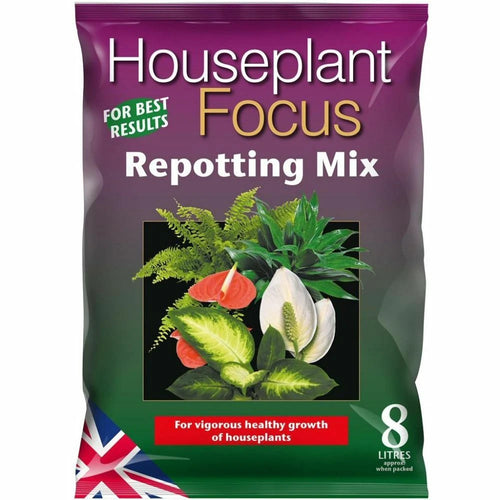
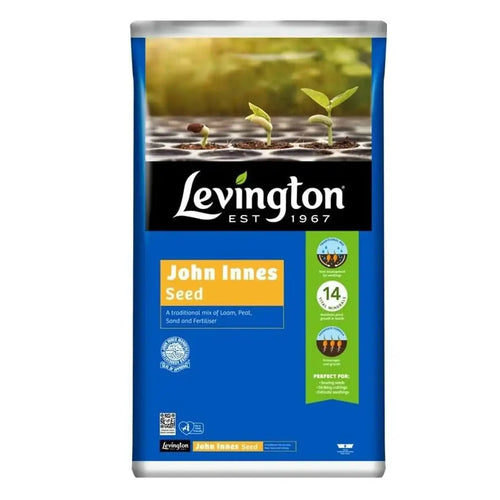
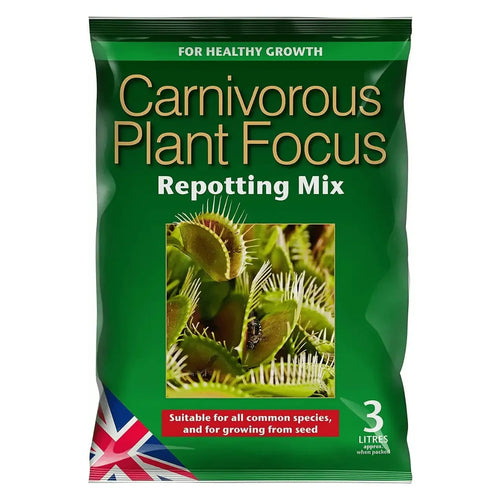
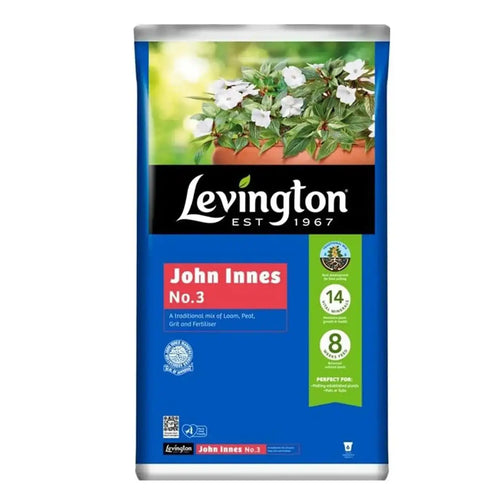
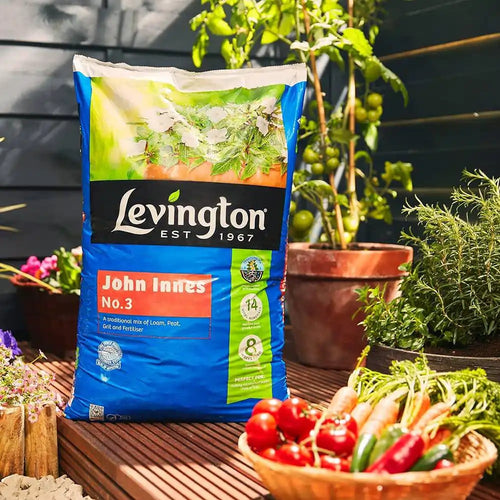
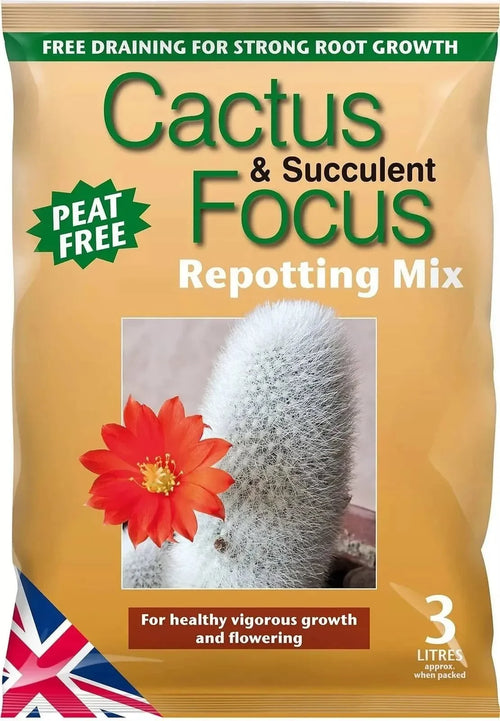
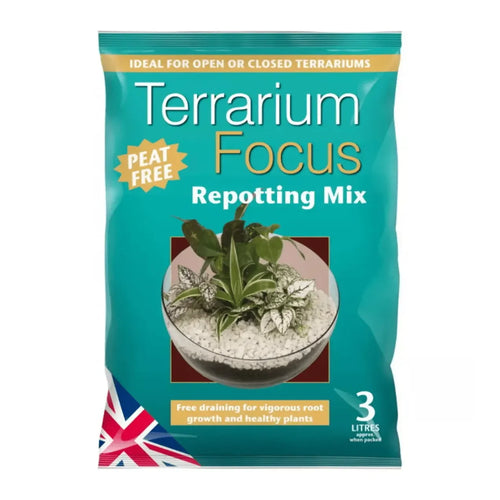
Whether you’re nurturing young plants or maintaining established ones, providing the right compost is key to ensuring their health and longevity. For indoor plants, the soil is a crucial element that directly impacts their growth. Choosing the right compost is essential, especially when growing plants indoors where the growing environment can be more controlled but still requires proper care.
What are Established Plants?
Established plants are those that have been growing for some time, with well-developed root systems and overall maturity. These plants typically require less frequent repotting and are often more resilient to changes in their environment. However, they still benefit from nutrient-rich compost that supports their long-term health.
For established indoor plants, it’s essential to maintain good soil health and provide the right balance of nutrients to ensure continued growth. Over time, the soil can become depleted of essential nutrients, so replenishing the compost every couple of years is vital.
Best Compost for Indoor Plants: What to Look For
When it comes to indoor plants, selecting the right compost is crucial for both young and established plants. The best compost for indoor plants should have a few key features:
Well-Drained: Indoor plants require good drainage to prevent waterlogging. Poor drainage can lead to root rot, a common issue for plants in containers. The compost should have a loose structure that allows water to drain away freely.
Light and Airy Texture: Indoor plant compost should be light enough to allow for air circulation around the roots. This prevents compaction and supports healthy root development, ensuring that plants can access the oxygen and nutrients they need.
Nutrient-Rich: A good compost for indoor plants contains a balanced mix of nutrients that promotes healthy growth. Look for compost that includes added organic matter or slow-release fertilizers to provide long-lasting nutrients for your plants.
pH Balanced: Indoor plants typically prefer slightly acidic to neutral soil. The compost should have a pH level that is suitable for most indoor plants, ensuring they can absorb the nutrients effectively.
Indoor Plant Compost: Essential for Growth
Indoor plant compost is specially designed for the specific needs of houseplants. Unlike outdoor compost, which is often formulated for various garden conditions, indoor plant compost is made with materials that provide the ideal environment for plants growing in pots and containers.
Indoor plant compost often includes a blend of peat, coir, perlite, and sometimes sand or bark. These ingredients help retain moisture while ensuring good drainage. This type of compost also has a finer texture than regular garden compost, making it ideal for use in containers where space is limited and root health is a priority.
Composting for Indoor Plants: Best Practices
When composting for indoor plants, follow these essential practices to ensure the best growth:
Choose the Right Compost: Select a high-quality compost that matches the specific needs of your plant type. For example, succulents need a more free-draining compost, while tropical plants benefit from a moisture-retaining blend.
Repotting Established Plants: Established plants need less frequent repotting than young plants, but it’s still essential to refresh the soil. When repotting, choose a larger pot and replenish the compost to ensure the plant has enough room for root growth.
Add Organic Matter: For established plants that have been in the same compost for a while, consider adding organic matter or composted manure to provide extra nutrients. Organic matter helps improve the soil structure and provides long-term benefits for your plants.
Monitor Moisture Levels: Indoor plants often face dry air, so ensure that your compost retains moisture while draining excess water. Use a watering routine that matches the needs of your plants, adjusting the amount based on their size and environment.
Avoid Overwatering: Overwatering can lead to root rot in indoor plants, especially in pots with poor drainage. The right compost will help regulate water flow, so be sure to choose a compost that allows excess water to escape.
Types of Compost You Can Use
Several types of compost are specifically designed for indoor plants. Some of the most popular include:
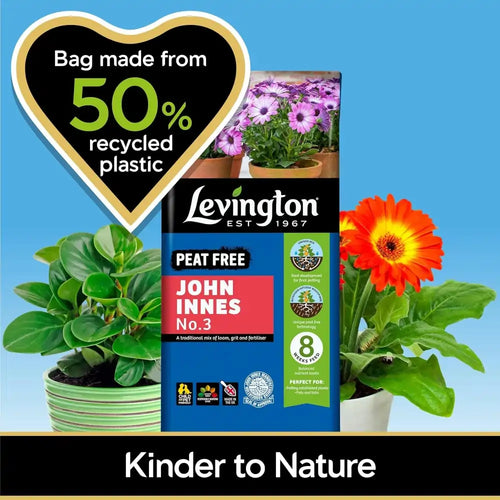
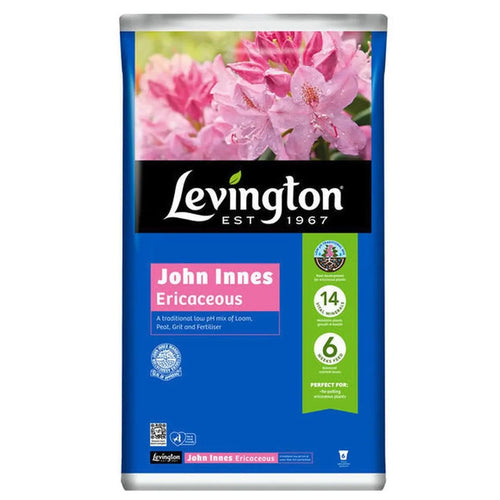
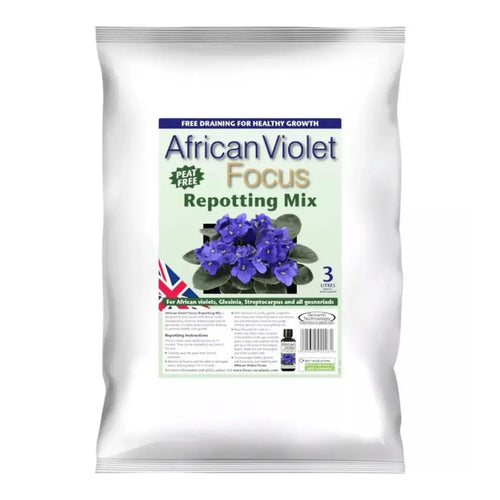
Peat-Based Compost: Often used for indoor plants, peat-based compost is lightweight and offers excellent water retention. It’s perfect for plants that require consistent moisture, like ferns and tropical houseplants.
Coir Compost: A sustainable alternative to peat, coir compost is made from coconut husks and provides a light, airy structure that’s great for drainage. It’s ideal for indoor plants that need excellent drainage, like succulents.
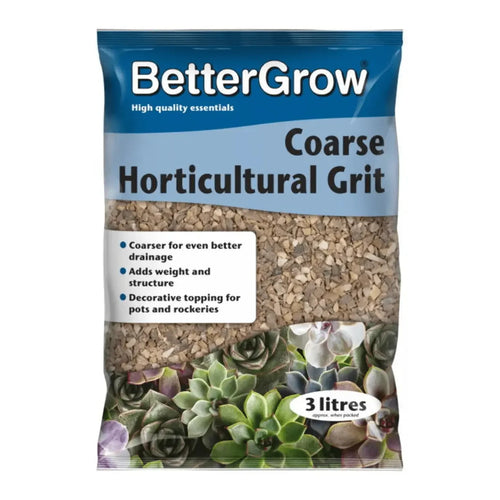
Cactus & Succulent Compost: Specially formulated for plants that require fast drainage, this type of compost is ideal for succulents and cacti. It typically contains a mix of sand, perlite, and a small amount of organic material.
General Indoor Plant Compost: This versatile compost is suitable for a wide range of houseplants. It provides the right balance of water retention, aeration, and nutrients for most indoor plant types.
Young Plants vs. Established Plants: Composting Considerations
While young plants require more frequent repotting and fresh compost to support rapid growth, established plants generally require less attention. However, established plants still benefit from periodic compost refreshment to ensure that they have access to the nutrients they need for healthy growth.
For young plants, use a finer compost that promotes quicker root development. As the plant matures, you can transition to a compost designed for established plants that supports long-term growth.
FAQs
What is the best compost for indoor plants?
The best compost for indoor plants depends on the plant type. For most indoor plants, a general-purpose indoor compost with added nutrients and good drainage is ideal.Can I use outdoor compost for indoor plants?
While you can use outdoor compost for indoor plants, it’s generally better to use compost formulated for indoor use. Outdoor compost may not have the fine texture or drainage needed for plants in pots.How often should I change the compost for established indoor plants?
Established indoor plants typically need repotting every 2-3 years. When you do repot, refresh the compost and make sure the new pot is large enough to accommodate the roots.Can I add fertilizer to my indoor plant compost?
Yes, you can add a slow-release fertilizer to your compost for indoor plants. Be cautious not to over-fertilize, as too many nutrients can harm the plant’s health.Is it necessary to use special compost for different types of indoor plants?
Yes, different types of indoor plants have different needs. For example, succulents and cacti require a fast-draining compost, while tropical plants benefit from compost that retains more moisture.