




Buy Decorative Mulch & Bark
Buy Decorative Mulch & Bark
 SALE
SALE


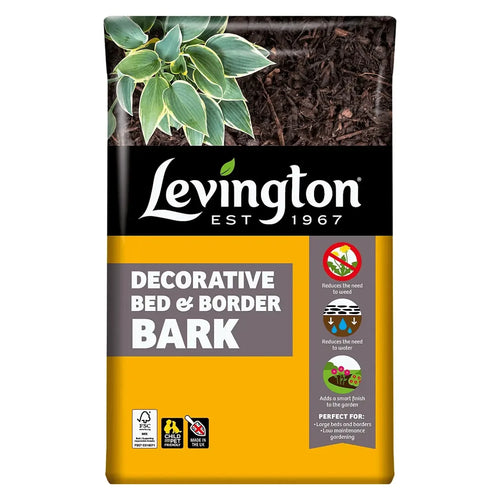
When it comes to enhancing the aesthetic appeal of your garden, few things have as big of an impact as decorative mulch and bark. Not only do they add a beautiful, natural look to garden beds and pathways, but they also offer several practical benefits for plant health and soil condition.
What is Decorative Mulch & Bark?
Decorative mulch and bark are organic materials used to cover the soil surface in garden beds, around trees, shrubs, and along pathways. Unlike traditional mulch, which is purely functional, decorative mulch is chosen primarily for its aesthetic appeal. It comes in various colors, textures, and types, making it a versatile option for creating visually appealing garden landscapes.
Decorative Bark Mulch is made from shredded or chipped bark, often sourced from trees such as pine, cedar, or hardwood. It offers a rich, textured appearance that enhances the beauty of any garden. Decorative Mulch, on the other hand, can include materials like wood chips, cocoa shells, or even stones, offering a more varied range of styles to suit different landscaping needs.
Why Use Decorative Mulch & Bark?
Enhances Aesthetic Appeal: The most obvious benefit of decorative bark and mulch is the way it improves the visual appearance of your garden. With its natural, earthy tones, it provides a beautiful contrast against green plants, flowers, and trees, creating a polished, well-kept look.
Improves Soil Health: Mulching helps improve soil quality by retaining moisture, reducing erosion, and preventing weed growth. As decorative mulch and bark break down over time, they release nutrients into the soil, promoting healthy plant growth.
Conserves Moisture: Decorative mulch helps retain soil moisture by reducing evaporation, which is especially beneficial during dry spells. This allows plants to thrive with less frequent watering, making it an eco-friendly choice for water conservation.
Temperature Regulation: Mulch acts as an insulating layer, keeping the soil temperature more consistent. During hot weather, it keeps the soil cooler, while in colder months, it helps protect plant roots from freezing temperatures.
Best Decorative Mulch: What to Look For
The best decorative mulch should have both aesthetic and functional qualities. When choosing decorative mulch, consider the following factors:
Material: Different types of mulch offer different looks and benefits. Bark mulch is often the preferred choice for its texture and natural appearance. Other decorative options include wood chips, shredded leaves, or gravel.
Color: Decorative mulch comes in a variety of colors, from deep browns and blacks to red, gold, or even natural shades. Choose a color that complements your plants and garden design.
Size: The size of the mulch pieces will affect how it looks and how it performs. Larger pieces, like bark chunks, are often more decorative and provide a longer-lasting effect, while smaller mulches break down faster but are ideal for more intricate designs.
Durability: Opt for a mulch that is durable and long-lasting, especially if you don’t want to reapply it frequently. Some mulches, like cedar bark, have natural pest-repellent properties and last longer than other types.
Ideal for Landscaping
Decorative bark mulch is one of the most popular choices for garden beds, flower borders, and around trees. It provides a natural, rustic look that blends well with various landscaping styles. Whether you have a modern, minimalist garden or a traditional cottage garden, decorative bark adds texture and depth.
In addition to its visual appeal, decorative bark is an excellent choice for its practical benefits. It helps improve soil aeration, reduces compaction, and retains moisture, all while giving your garden beds a neat, finished look.
Versatility in Design
Decorative mulch isn’t limited to garden beds; it can also be used in pathways, around potted plants, or even as a border between different areas of your garden. It offers a flexible solution to create beautiful and functional outdoor spaces. For example, you can use decorative wood chips to line a garden path, or place colorful cocoa mulch around flower beds to add a vibrant touch.
You can also mix different types of decorative mulch to create interesting textures and contrasts, such as combining bark mulch with stone or gravel for a unique garden look.
FAQs
What is the best type of decorative mulch?
The best type of decorative mulch depends on your garden’s style and your functional needs. Bark mulch is popular for its natural look and long-lasting durability, while wood chips and cocoa mulch are also excellent choices for creating vibrant color contrasts.
How often should decorative mulch be replaced?
Decorative mulch typically needs to be replenished every 1-2 years, as it gradually decomposes and loses its color and effectiveness. Replacing it annually or as needed will help maintain its appearance and functional benefits.
Can decorative mulch be used in vegetable gardens?
Yes, decorative mulch can be used in vegetable gardens, but be sure to choose organic mulch like bark or wood chips. These types will break down naturally and enrich the soil, which is beneficial for plant growth.
Is decorative bark mulch safe for pets?
Some types of decorative bark, such as cedar or pine, contain compounds that may be harmful to pets if ingested. Always choose pet-safe options and consider using alternatives like rubber mulch if your pets frequently play in the garden.
Can decorative mulch help with weed control?
Yes, decorative mulch is an excellent way to control weeds. By creating a thick layer over the soil, mulch prevents sunlight from reaching weed seeds, reducing their growth and keeping your garden beds tidy.