


Mastering the Perfect Watering Schedule for a Lush UK Lawn
- by Fitfit Garden

Much thanks to a proper watering schedule is owed to a healthy and maintained lawn. Knowing the exact timing of when the lawn needs watering, the quantity of water required, and the process itself makes a significant difference in achieving professional results. Whether you are managing a family garden or a decorative landscape, understanding your soil's thirst is the first step toward gardening success.
How Much Water is Necessary for Your Lawn?
Although most lawns need roughly one inch of water delivered each week, the specific amount depends on your location, wind speed, and the type of grass you have planted.
-
Grass Varieties: Cool-season grasses common in the UK, such as fine fescues and ryegrass, may go dormant during extreme drought to protect themselves.
-
Signs of Thirst: If your lawn turns a dull grayish-green or if footprints do not disappear quickly after you walk across the grass, it likely requires more hydration.
-
Overwatering Risks: Be careful not to overdo it; signs of overwatering include fungi growth, increased weeds, and a soggy feel to the soil.
To help your lawn recover from dry spells or to maintain a deep green color, utilizing a high-quality fertiliser like Miracle-Gro EverGreen Complete 4-in-1 ensures your grass stays thick and healthy, making it more resilient to heat.
The Best Time to Water
Timing is everything when it comes to irrigation. Your plants and lawn will give you signs when they are thirsty—look for drooping leaves or a change in grass color.
-
The Golden Rule: The best time to water a lawn is early morning, before 10:00 am.
-
Why Early? Watering in the heat of the afternoon is wasteful as water evaporates before it can reach the roots.
-
Avoid Overnight Watering: Leaving grass damp overnight can lead to disease problems.
How Often and For How Long?
Instead of watering every day, most lawns thrive with less frequent but deeper watering sessions. This encourages roots to grow deeper into the soil, seeking moisture.
-
The "Tuna Can" Test: Place a few empty cans on your lawn while watering; once they contain an inch of water, you know how long your system needs to run.
-
Deep Hydration: Aim to wet the soil to a depth of about six inches.
Water Conservation and Maintenance
Water is a precious resource, and small habits can make a big difference.
-
Mulching: Use organic materials or compost to retain excess moisture in your flower beds.
-
Natural Nutrition: Do not bag your grass clippings; let them return to the soil to act as a natural moisture retainer.
-
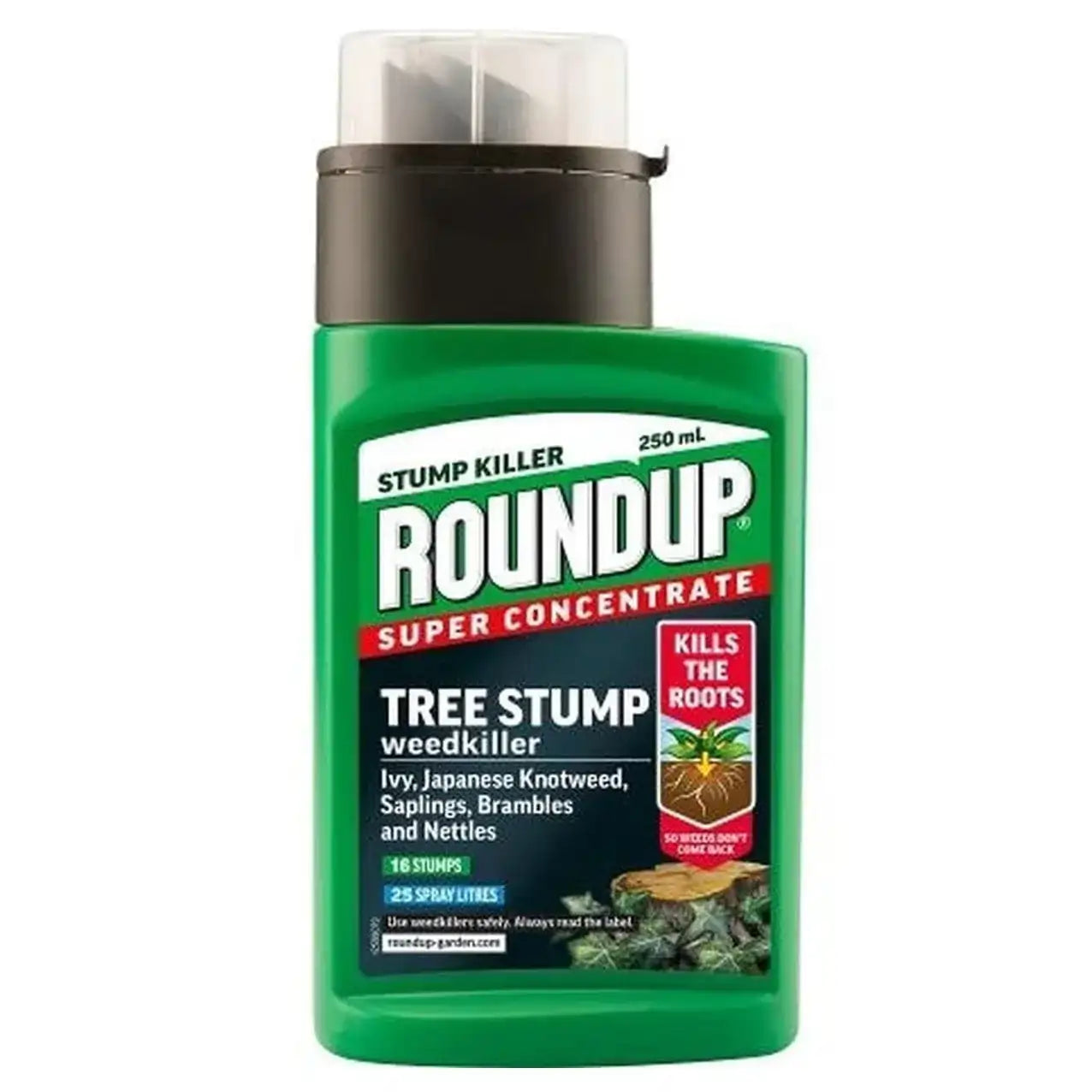
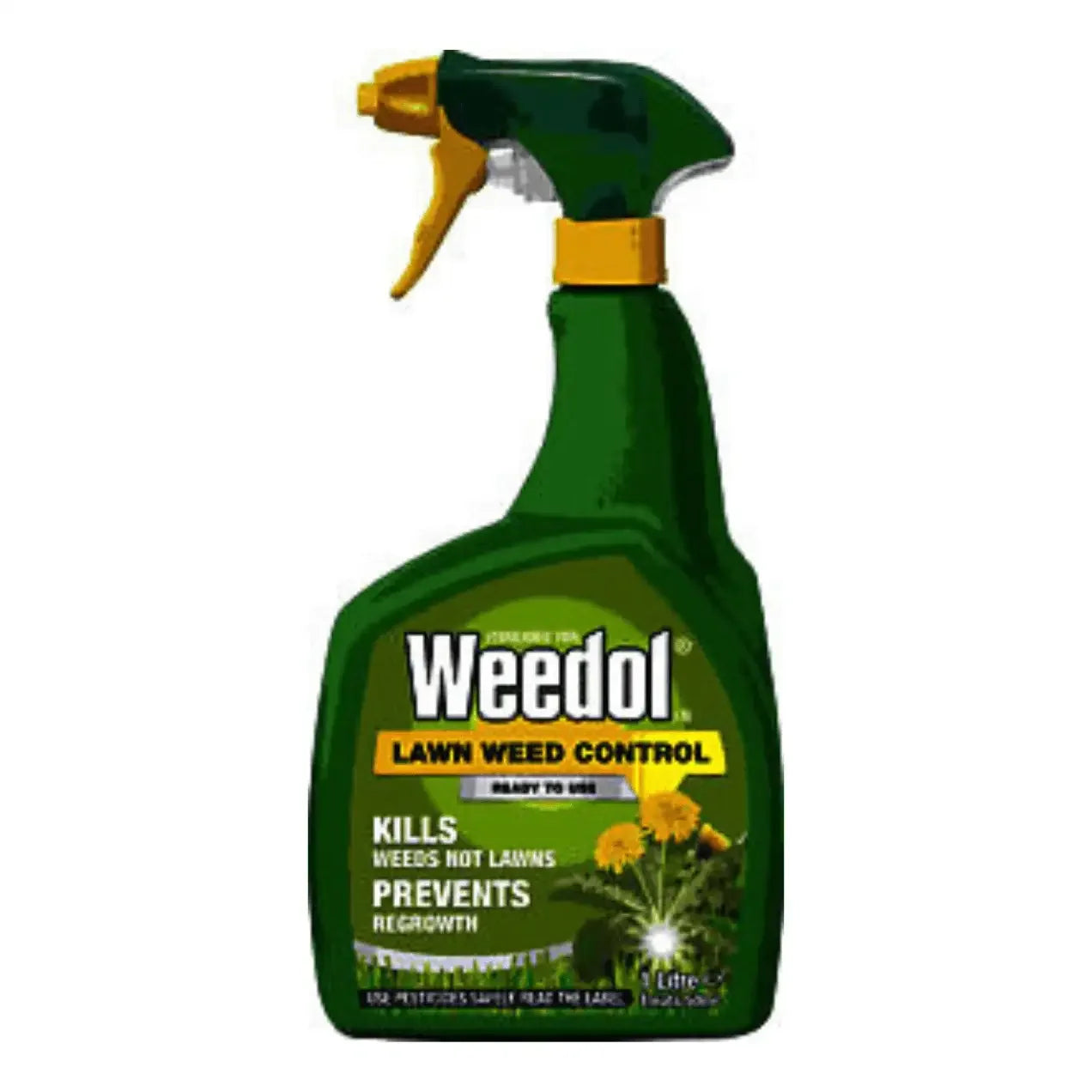
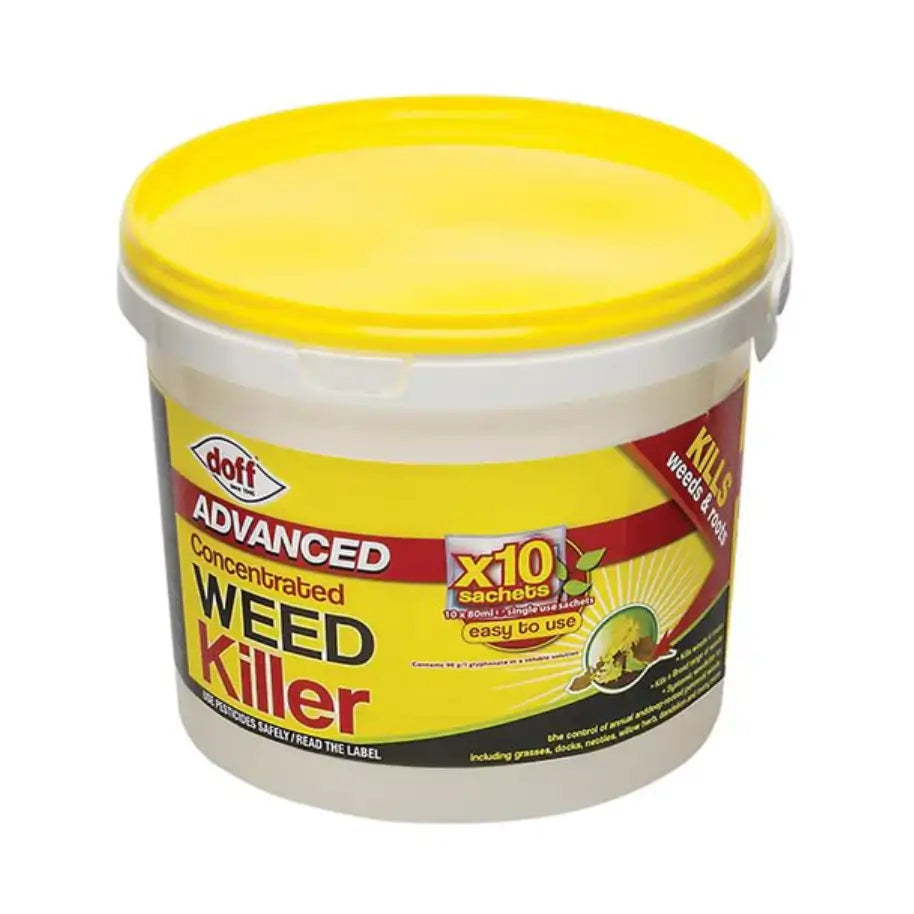
Weed Control: When the lawn is hydrated and healthy, weeds have less room to grow. If stubborn invaders appear, explore our Professional Weed Killer featuring brands like Resolva, Weedol, and Roundup to keep your turf pristine.
For areas where weeds have taken over due to poor watering, a targeted Lawn Weed killer can clear the way for new growth without harming your existing grass.
Conclusion
Setting the ideal watering schedule takes some trial and error, but the result—a bright green, lush lawn that feels pleasant underfoot—is well worth the effort. By combining proper hydration with the right products, such as Miracle-Gro Peat-Free soils for your beds or Slug Killer to protect new shoots, your garden will become the pride of the community.