

Ant Control
Ant Control


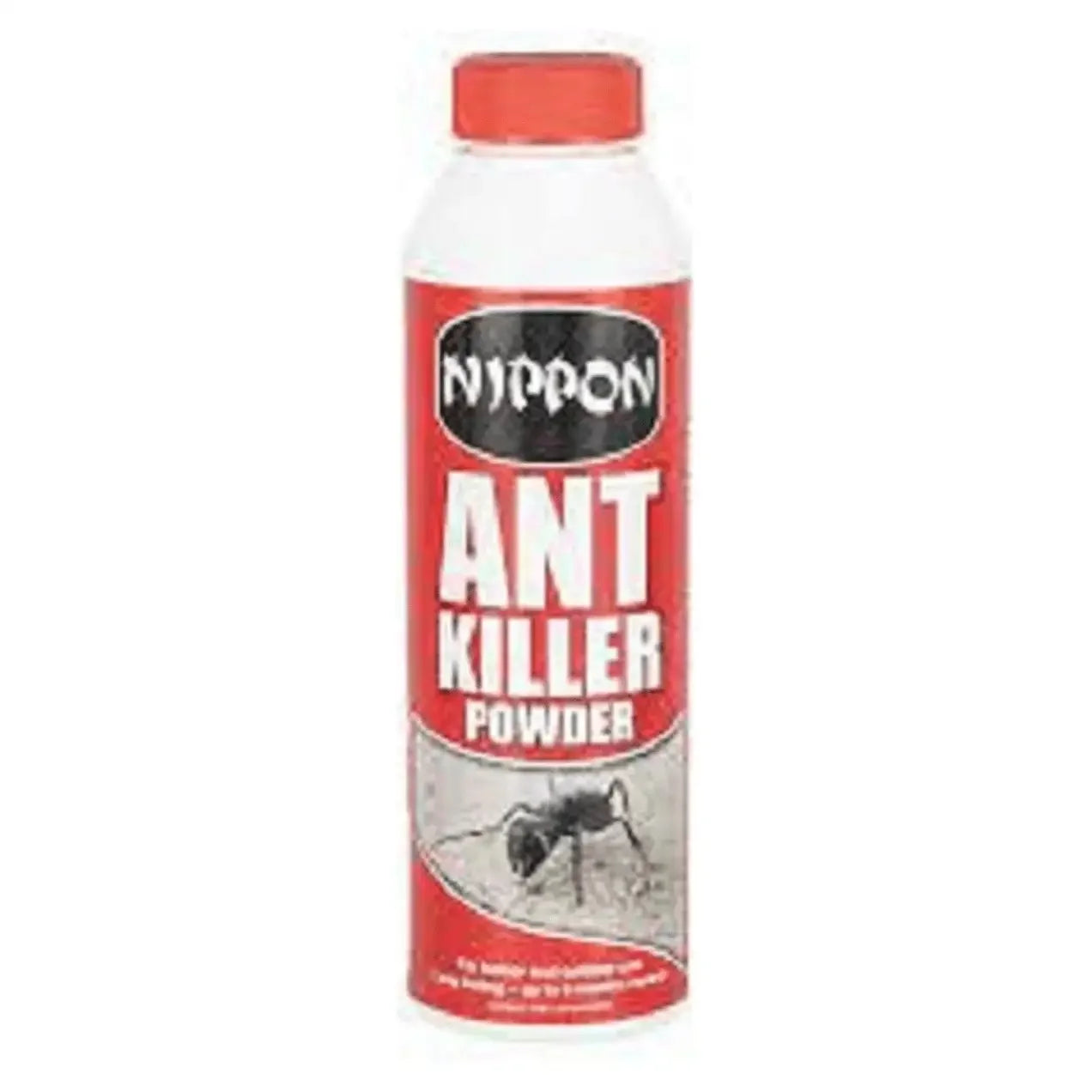

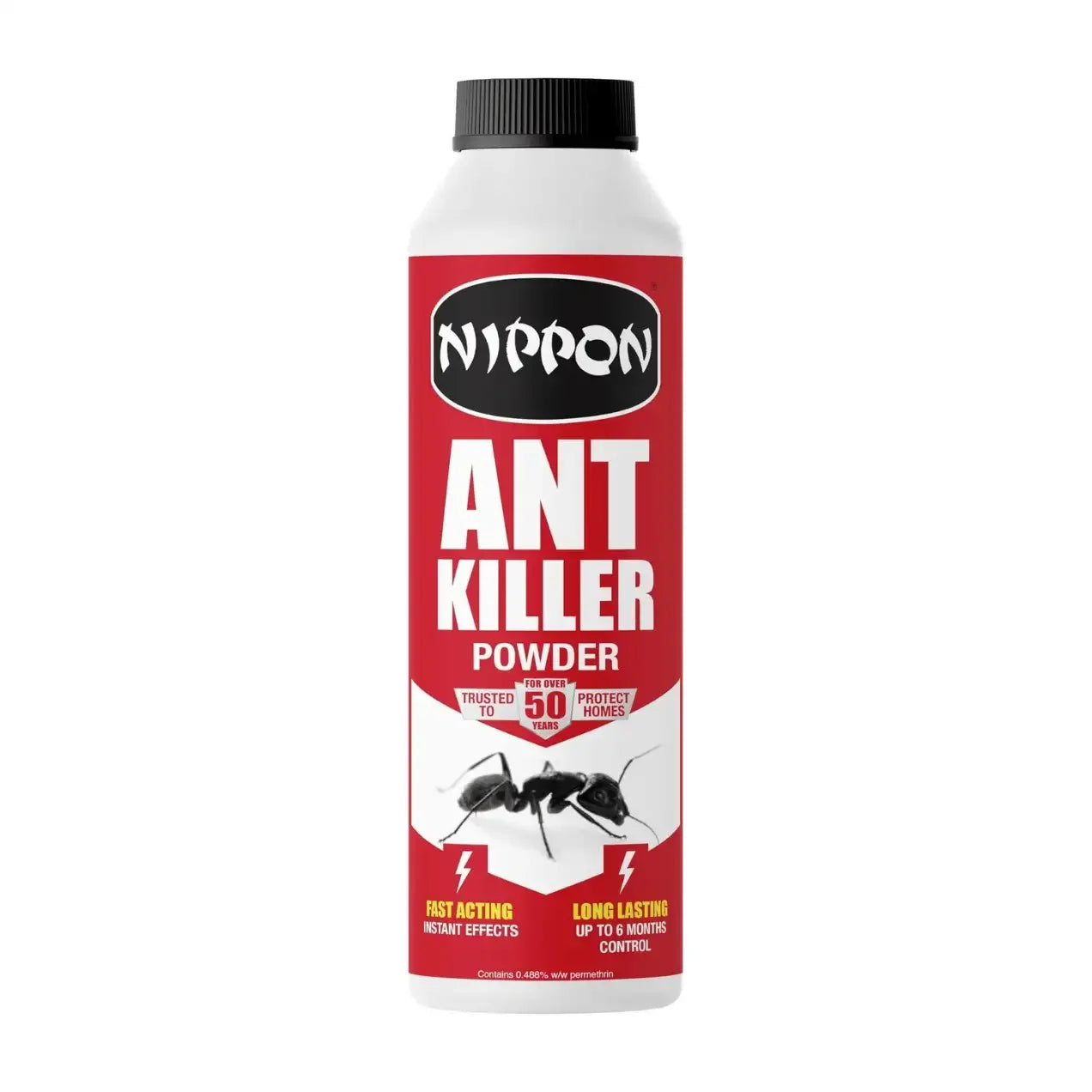
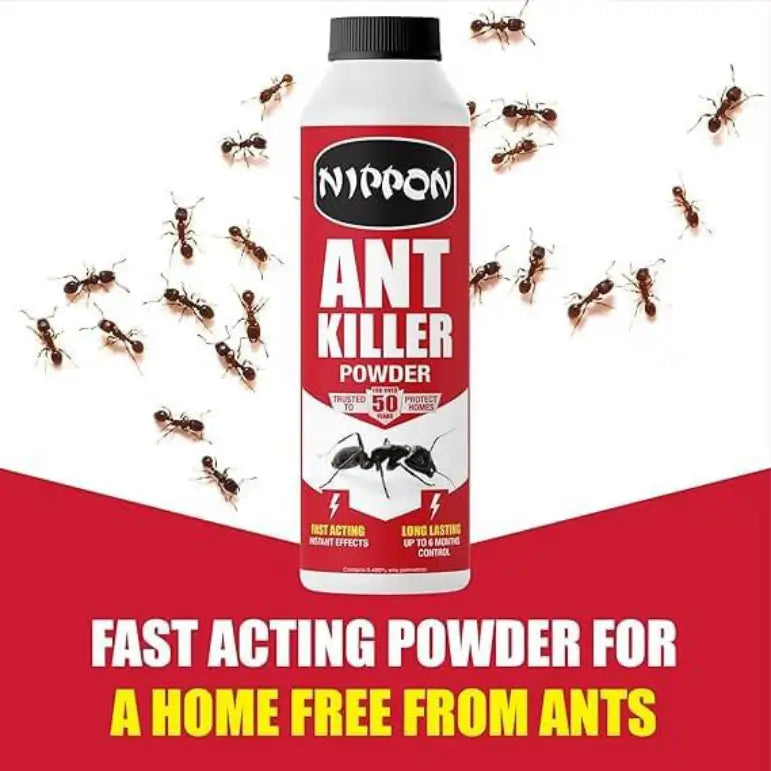
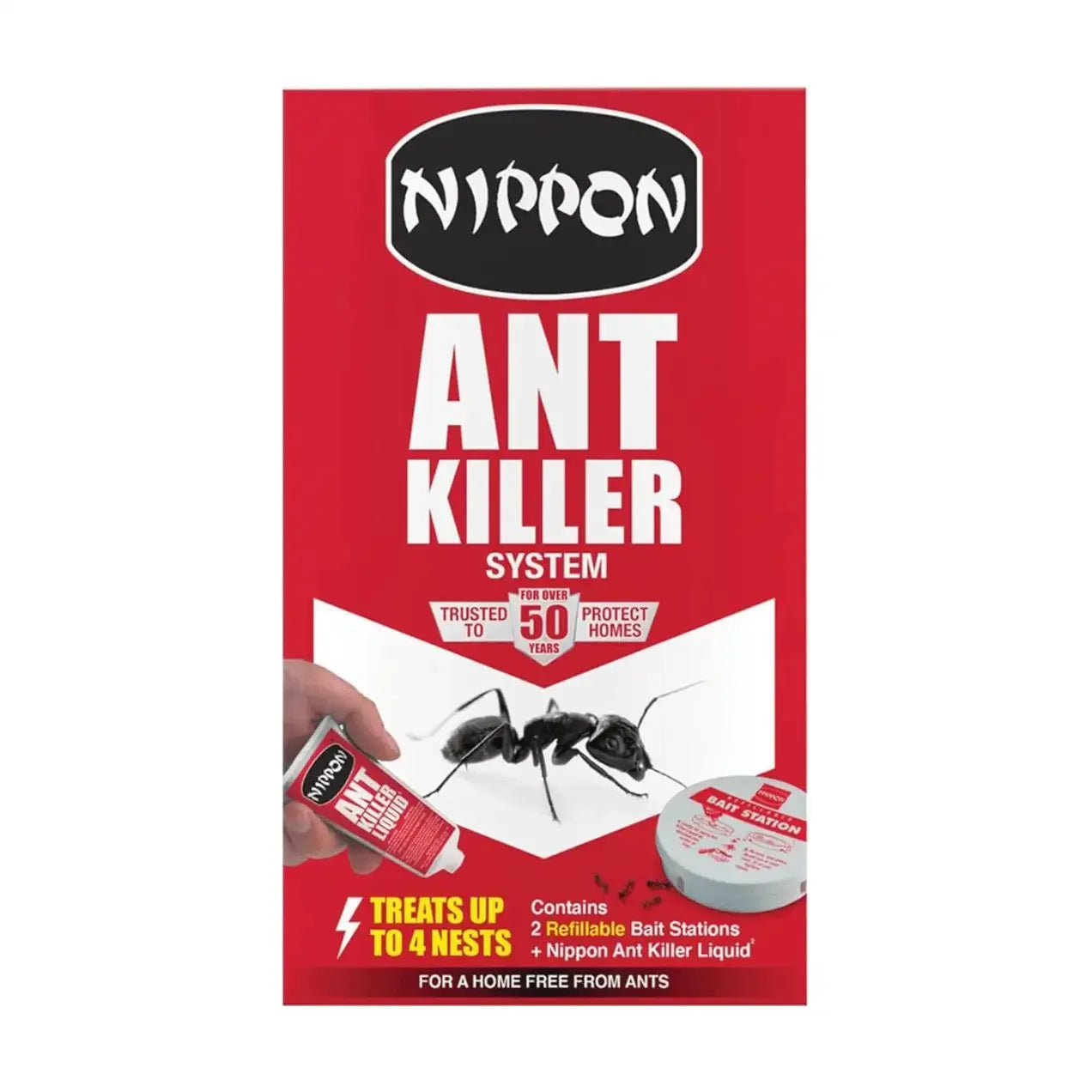
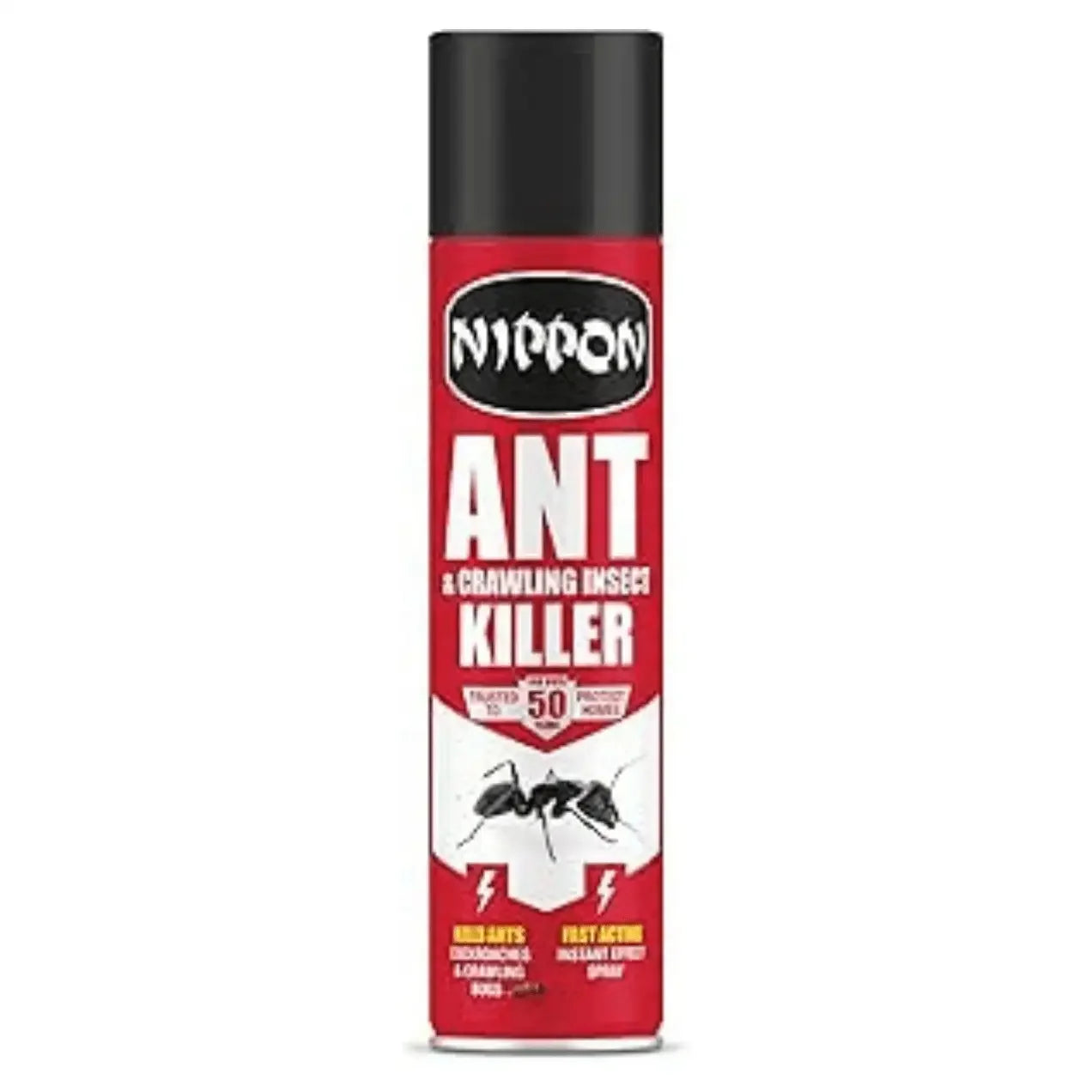


Ants are one of the most common pests found in homes and gardens. While most ants are harmless, their presence can be bothersome, especially when they invade your kitchen, destroy plants in the garden, or create unsightly mounds in your yard. Effective ant control is crucial for keeping these tiny invaders at bay. In this guide, we’ll explore methods to control ants indoors and outdoors, as well as the best pest control products for ants.
Why Ant Control is Important
Ants may seem small, but they can cause significant problems when they infest your home or garden:
Contamination: Ants are often attracted to food sources and can contaminate your kitchen or pantry with bacteria.
Damage to Property: Some ants, like carpenter ants, can damage wooden structures by hollowing out wood to build nests.
Garden Damage: Certain species, like aphid-farming ants, can damage plants by protecting aphids, which feed on plant sap and weaken the plants.
Taking action to control ants can prevent these problems and keep your home and garden healthy.
Common Ant Species
Household Ants: Commonly found in kitchens, these ants forage for food and can quickly invade your home. They’re usually attracted to sugary foods but will also scavenge for proteins and fats.
Carpenter Ants: Carpenter ants are large and can cause significant damage to wooden structures. They nest in wood and can weaken beams, window frames, and other wooden components of your home.
Pavement Ants: These ants often form large colonies outdoors, creating visible mounds along sidewalks, driveways, and foundations. While they don't typically damage property, their presence can be unsightly.
Sugar Ants: Sugar ants are particularly attracted to sweet foods. If you have an issue with sugar ants in your home, it’s often because there’s an easy food source for them to access.
Fire Ants: Fire ants are aggressive and can deliver painful stings. They often build large mounds in lawns and can be a significant threat to outdoor activities.
Ant Control Methods
1. Preventive Measures
Preventing ants from entering your home or garden is the first step in controlling their population. Here are some essential tips:
Seal Entry Points: Inspect your home for gaps and cracks around windows, doors, and walls, and seal them with caulk or weatherstripping to prevent ants from entering.
Cleanliness: Keep your home, especially the kitchen, free from crumbs, spills, and food residue. Ants are highly attracted to food sources, so reducing their access to food is key.
Store Food Properly: Keep food in airtight containers and store pet food in sealed containers to prevent ants from finding easy food sources.
Remove Ant Trails: If you see ants entering your home, follow their trail to identify the source and clean the area thoroughly with soap and water or a mixture of vinegar and water. This disrupts their scent trail and helps prevent more ants from following it.
2. Indoor Ant Control
Bait Traps: Ant bait traps are one of the most effective ways to control ants. These traps contain a slow-acting poison mixed with a food attractant. Ants take the bait back to their nest, where it’s shared with the colony, eventually killing the queen and workers. Common options include Terro Liquid Ant Baits and Combat Ant Baits.
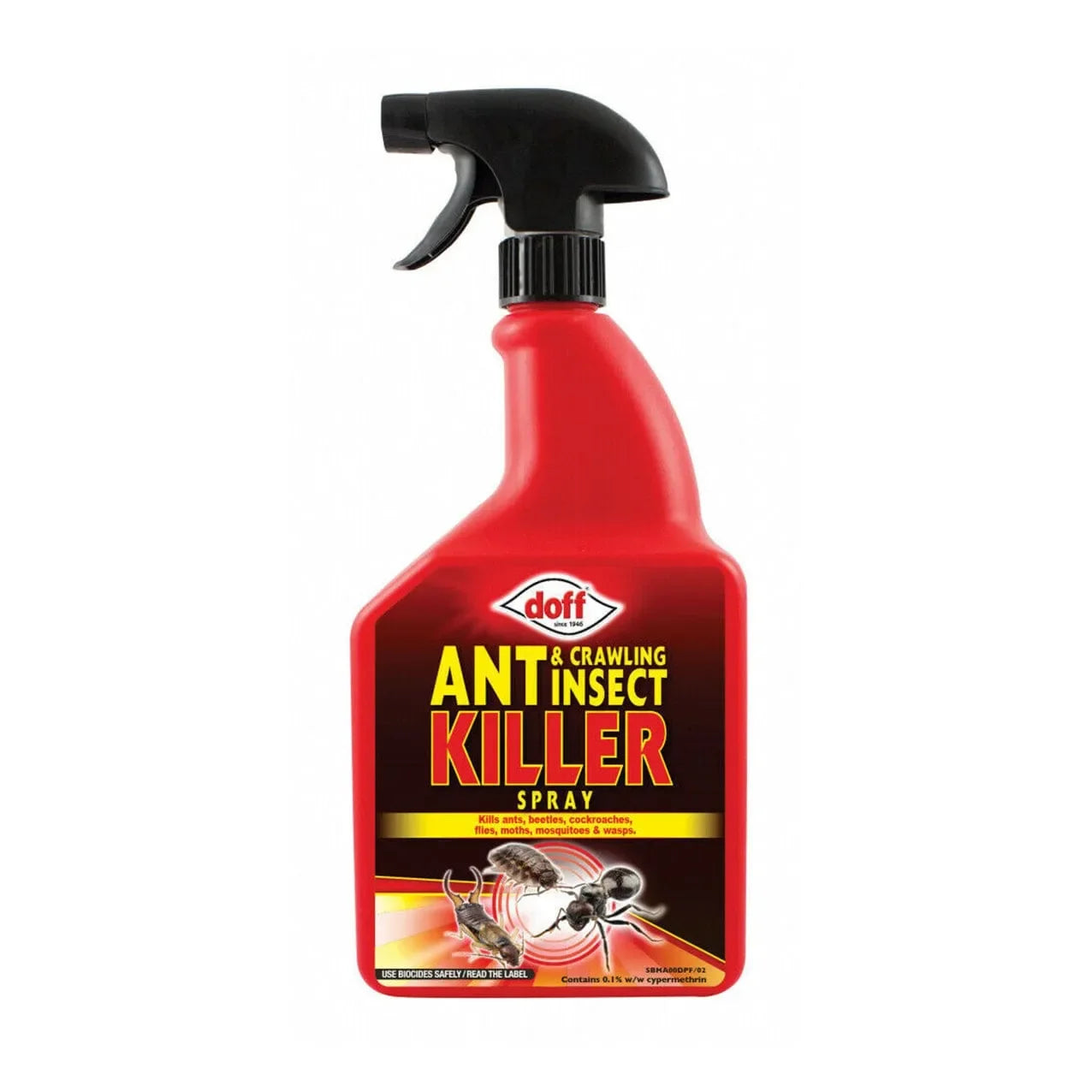
Ant Sprays: If you have a small infestation, you can use ant sprays for quick control. These sprays kill ants on contact but may not solve the underlying problem of the colony. They are best used for eliminating visible ants or when you’re dealing with small nests.
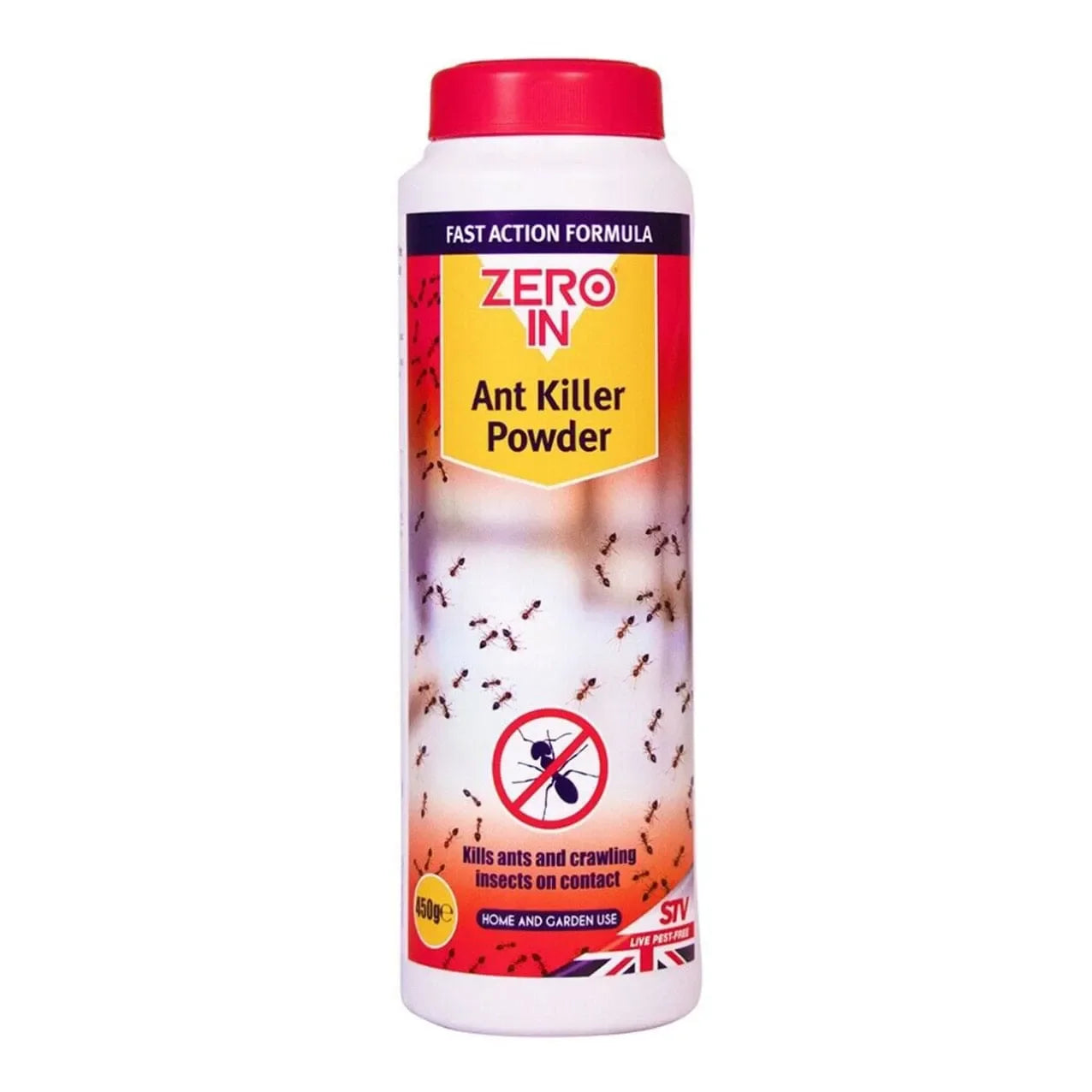
Diatomaceous Earth: Diatomaceous earth is a natural powder that kills ants by drying out their exoskeletons. It's safe to use around food and pets but should be applied carefully, especially in areas where ants are actively foraging.
Essential Oils: Natural repellents like peppermint oil, cinnamon, and tea tree oil can deter ants. Mix a few drops with water and spray the solution around entry points or ant trails to repel ants.
3. Outdoor Ant Control
Bait Stations: Similar to indoor baits, outdoor ant bait stations can be placed near the ant mounds or in areas where ants are commonly found. These stations attract ants, and the poison kills the entire colony over time.
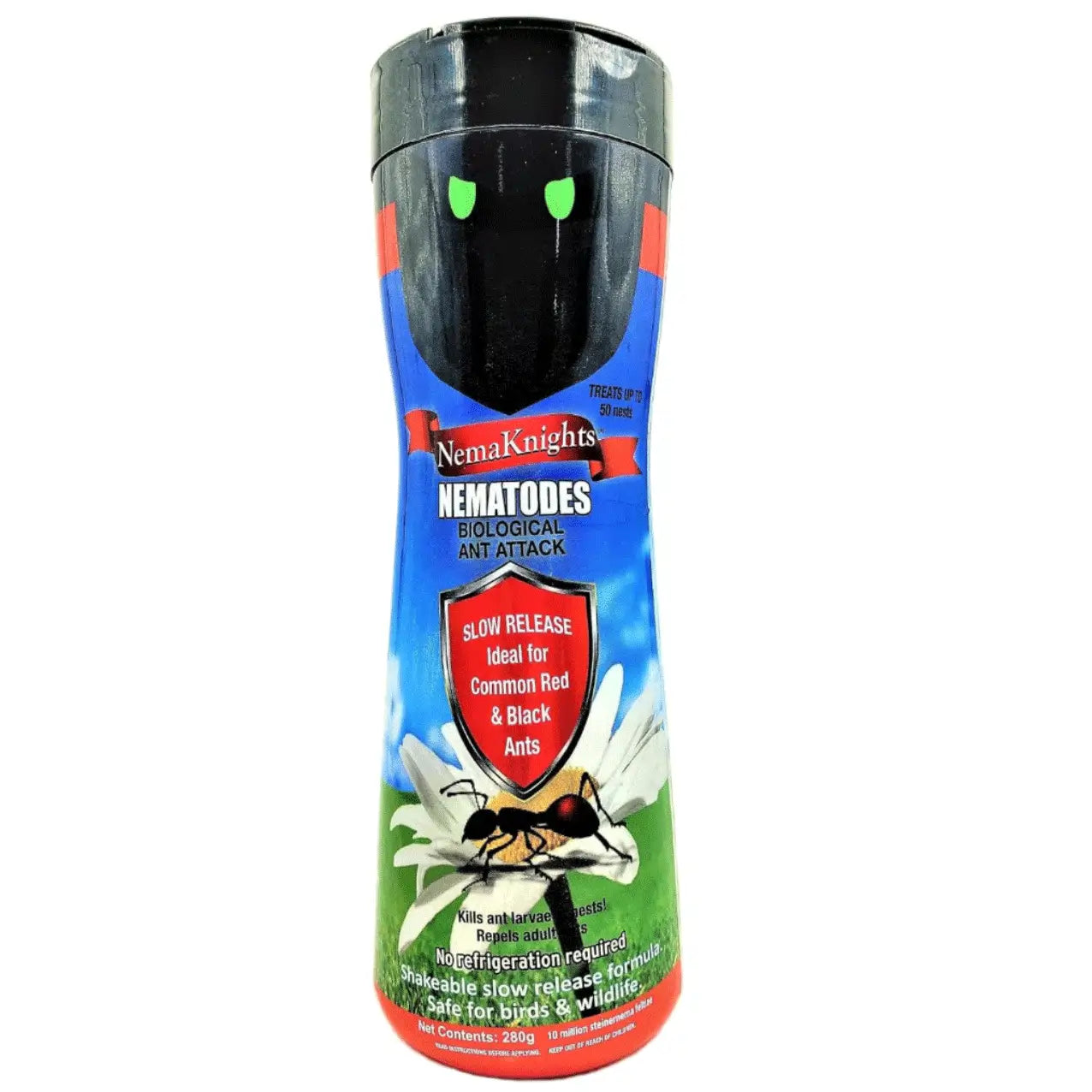
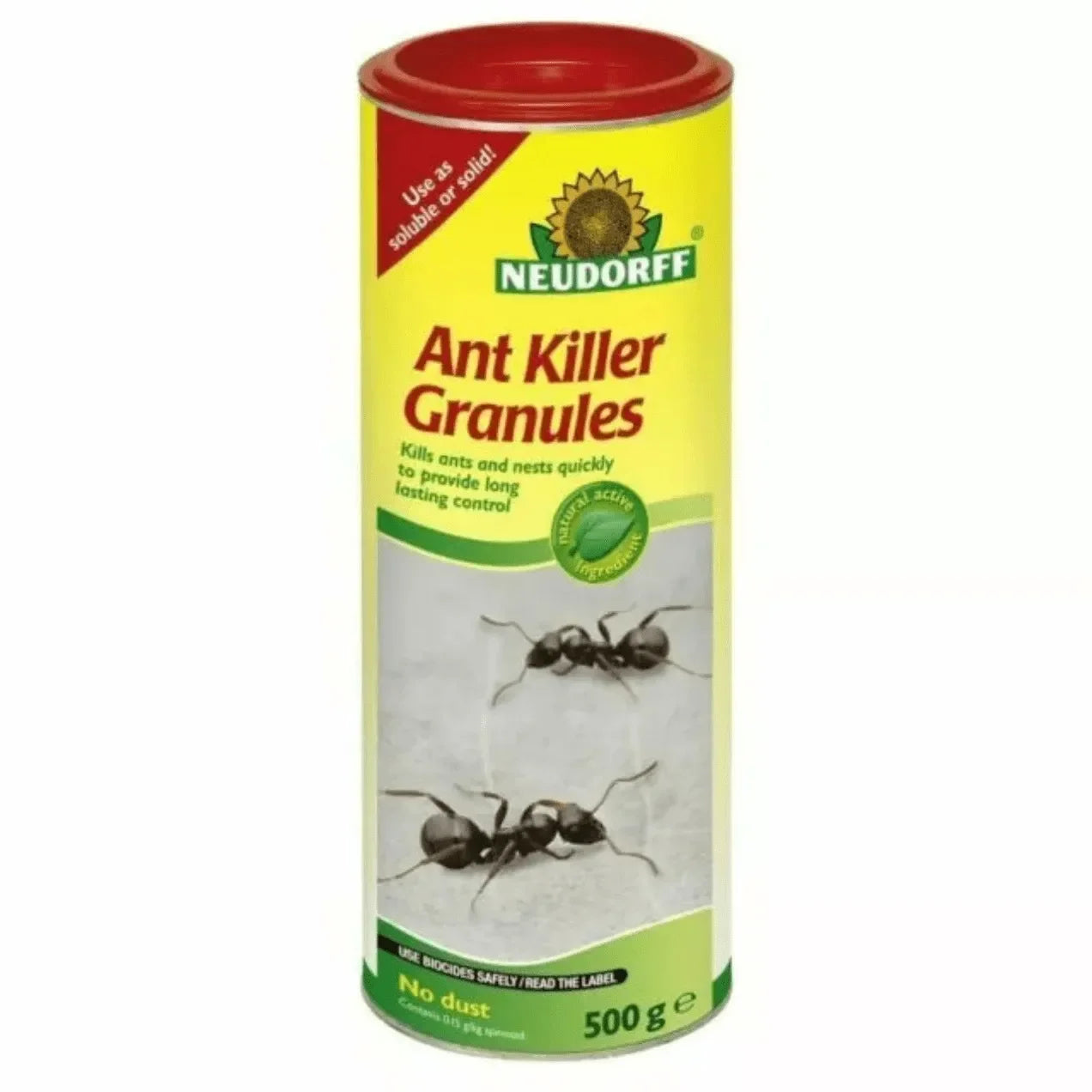
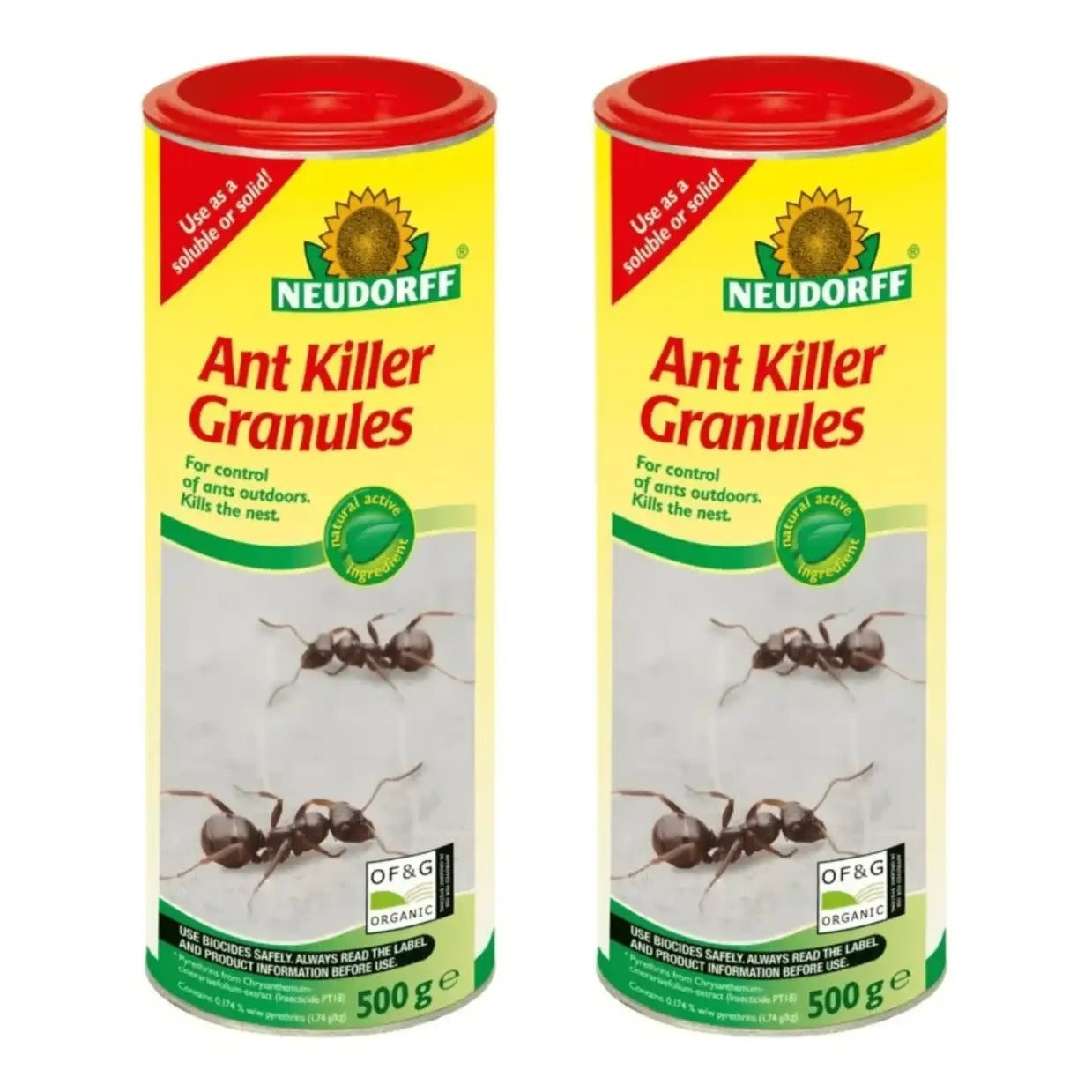
Ant Killer Granules: Ant killer granules are designed to be spread around your yard, particularly near ant mounds or areas where ants are frequently spotted. These granules attract ants and kill them when ingested.
Boiling Water: If you’ve found an active ant mound in your yard, pour boiling water directly onto it. This can kill many of the ants in the mound and disrupt their nest. However, it may not completely eliminate the colony, especially if it’s large.
Cinnamon or Coffee Grounds: Sprinkling cinnamon or coffee grounds around your yard can help deter ants, as they dislike the strong smell. This can be a more natural, non-toxic way to repel ants from outdoor areas.
4. Professional Pest Control for Ants
For persistent or large infestations, professional pest control may be necessary. Pest control professionals have the expertise to identify the species of ants, locate the colony, and use more advanced treatment methods, including dusting and chemical baits, to eliminate the problem. They can also help with long-term prevention strategies.
FAQs
1. What is the best way to control ants indoors?
The best method for controlling ants indoors is to use ant bait traps. These baits attract ants and poison them, killing the entire colony. If you have a visible infestation, you can use ant sprays for immediate control.
2. How do I get rid of ants in my garden?
For outdoor ants, you can use ant bait stations or granular ant killers. Boiling water can also be poured directly onto ant mounds to kill many of the ants.
3. Are there natural ways to repel ants?
Yes, essential oils like peppermint, cinnamon, and tea tree oil can be used as natural repellents. You can also sprinkle cinnamon or coffee grounds in areas where ants are active.
4. How do I prevent ants from entering my home?
Seal cracks and gaps around windows, doors, and pipes to prevent ants from entering. Keep food stored in airtight containers and clean up spills or crumbs immediately.
5. Can I use insecticides to kill ants?
Yes, insecticides like ant sprays can be effective in killing ants on contact. However, for long-term control, ant baits and traps are more effective, as they target the entire colony.