

Garden Sprayers / Pressure Sprayers
Garden Sprayers / Pressure Sprayers
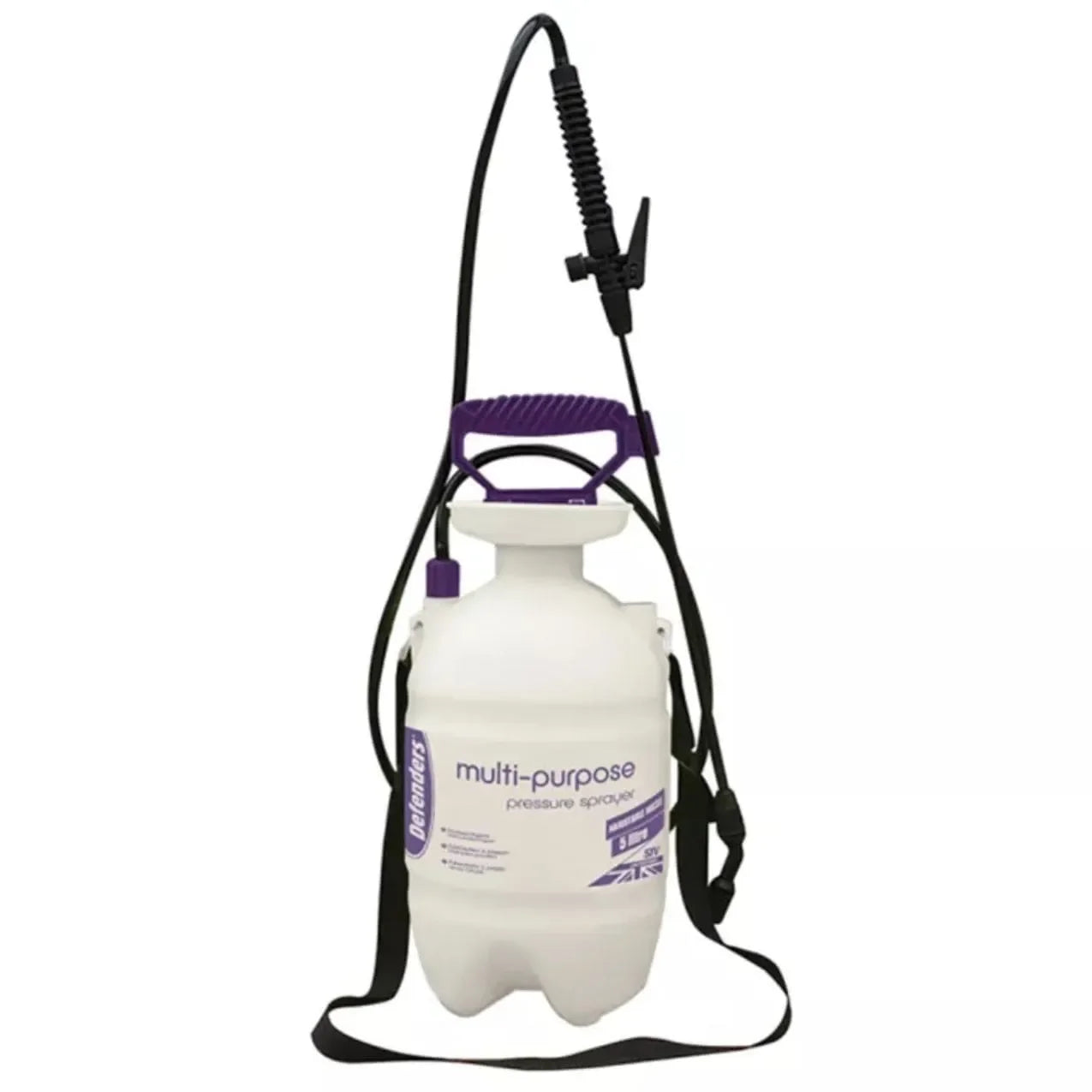
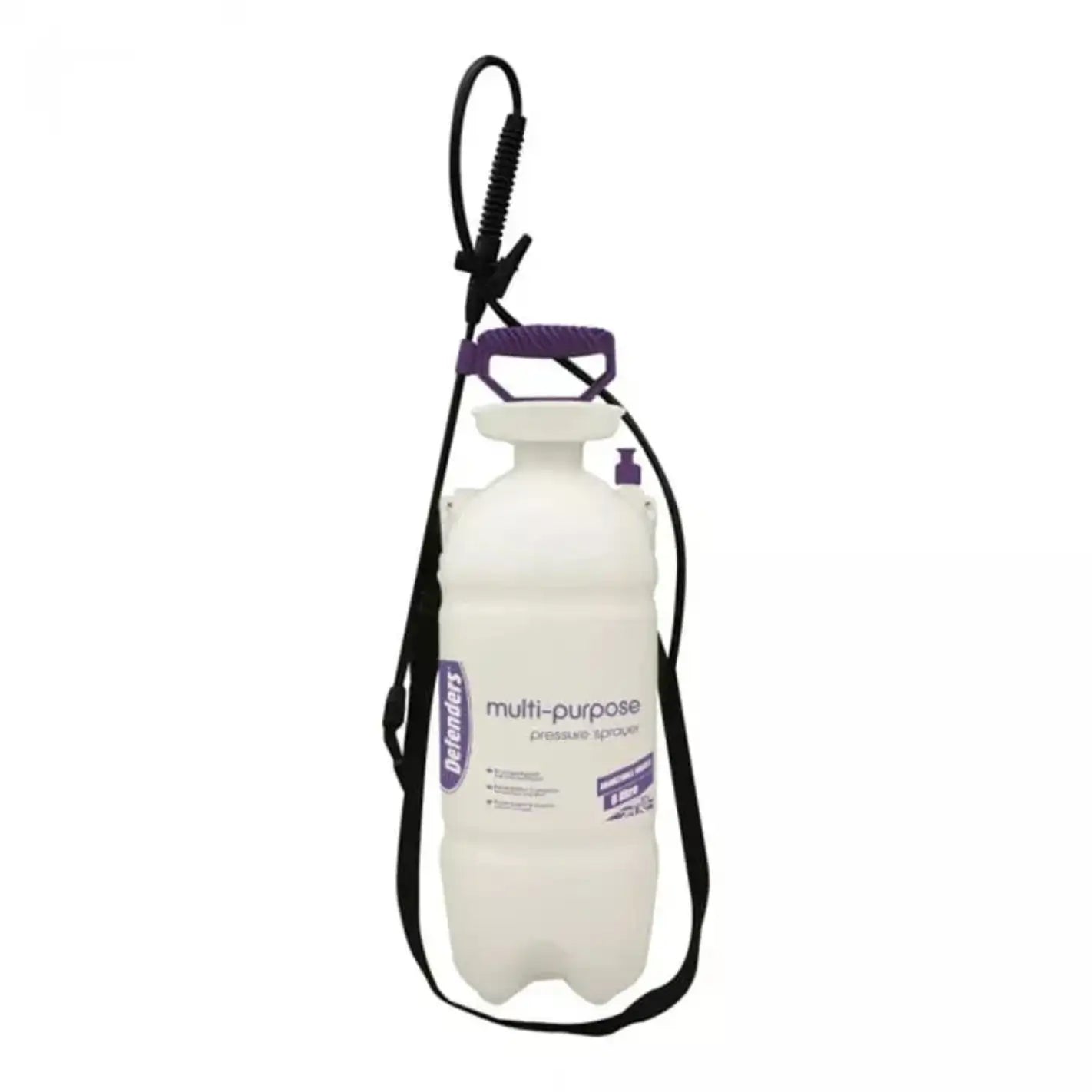
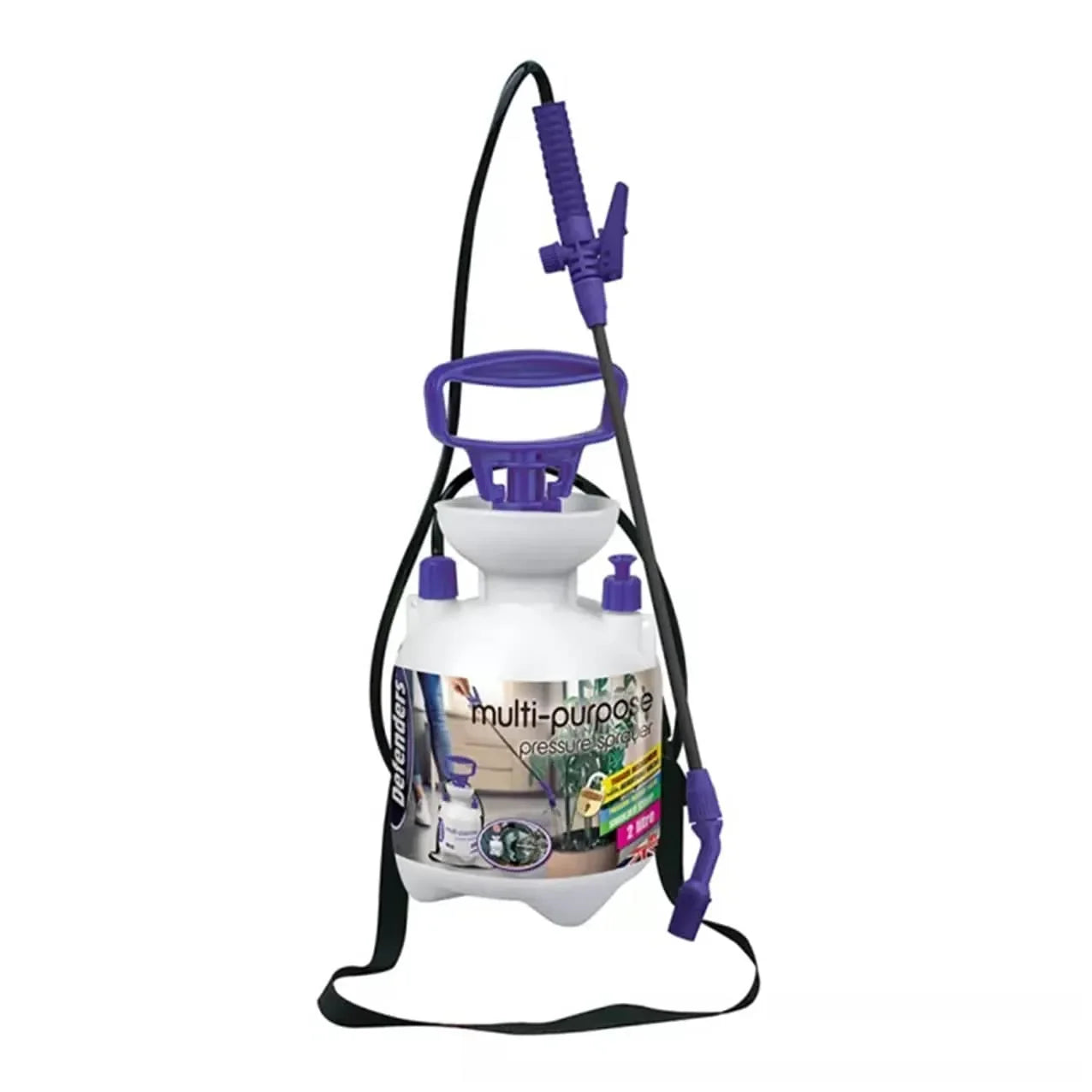
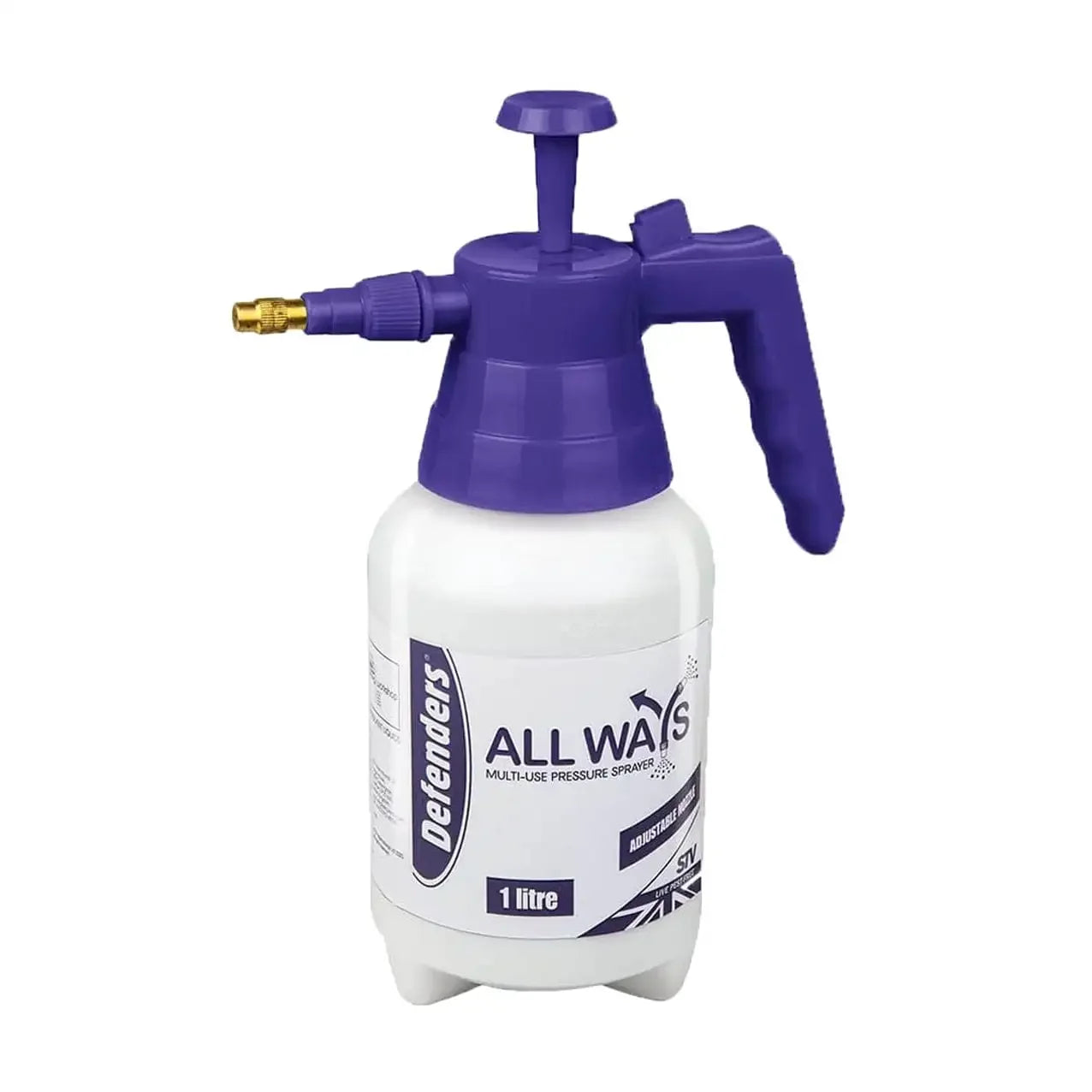
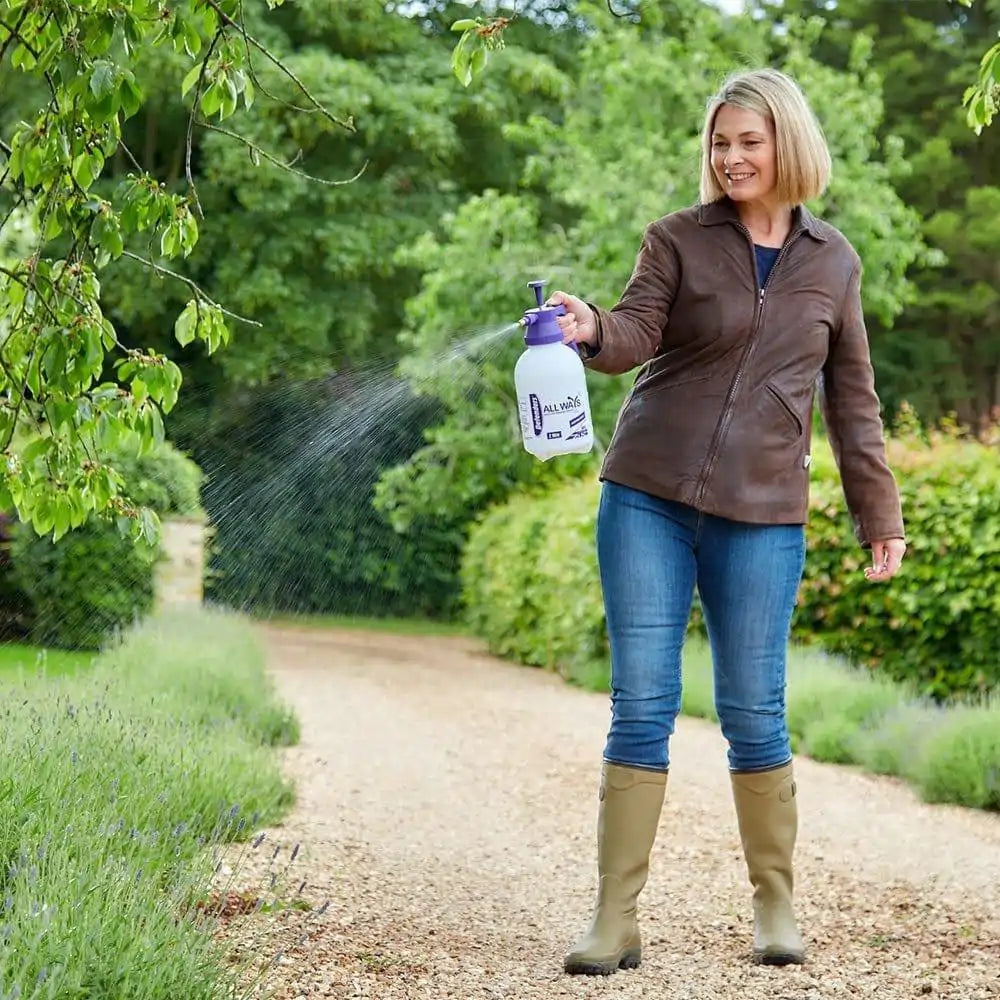
A garden sprayer is a must-have tool for any gardener, whether you're dealing with pests, fertilizing plants, or applying herbicides. It makes applying chemicals, pesticides, water, or plant nutrients much easier and more efficient. With various types of garden sprayers available, it's important to choose the right one for your needs to ensure optimal results in your garden care.
What is a Garden Sprayer?
A garden sprayer is a tool used to apply liquids like fertilizers, pesticides, herbicides, water, or fungicides to plants and lawns. These sprayers are designed to distribute liquids evenly and efficiently, ensuring that plants receive the right amount of treatment. Garden sprayers come in different types, such as hand-held, pump, and pressure sprayers, to suit various tasks and garden sizes.
Types of Garden Sprayers
Handheld Garden Sprayers
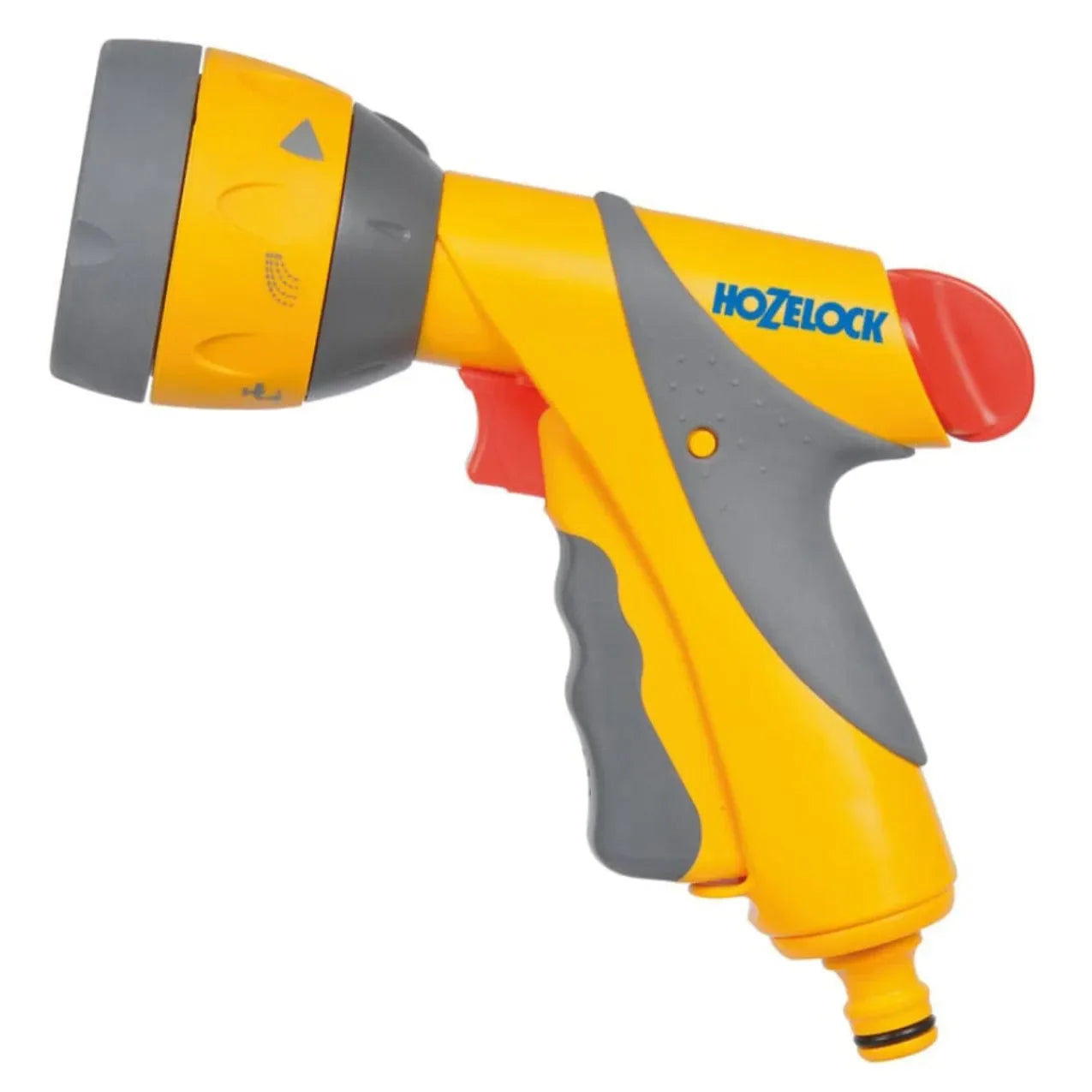
Handheld sprayers are small, portable, and ideal for spot treatments or small gardens. These sprayers are typically operated with a trigger or button and are perfect for spraying individual plants or small areas. They are easy to use and require minimal effort.Garden Pump Sprayers
A garden pump sprayer is a popular choice for applying chemicals, fertilizers, or pest control products over a larger area. It works by creating pressure in the tank, which is then released through the nozzle as a fine mist or spray. Pump sprayers come in various sizes, ranging from small 1-gallon tanks to large 5-gallon or more capacities. The larger tanks are ideal for spraying larger gardens or lawns.Garden Pressure Sprayers
Pressure sprayers are similar to pump sprayers, but they allow you to pressurize the tank before use, which helps maintain a steady stream of liquid for extended periods. These sprayers are great for larger gardens, as the pressure helps cover more area without the need for constant pumping. They are ideal for applying herbicides, pesticides, and fungicides.Battery-Powered Sprayers
Battery-powered sprayers are a more convenient option, especially for those who want to reduce manual labor. These sprayers use a rechargeable battery to power a motor that creates pressure, eliminating the need to pump the sprayer manually. They are great for applying pesticides and fertilizers with minimal effort.Backpack Sprayers
Backpack sprayers are designed for larger gardens or agricultural use. They feature a larger tank that can be carried on your back, making them more comfortable for extended use. These sprayers typically come with a hose and adjustable nozzle for precise application. They are ideal for applying treatments across larger areas or fields.
Uses of Garden Sprayers
Pesticide Application
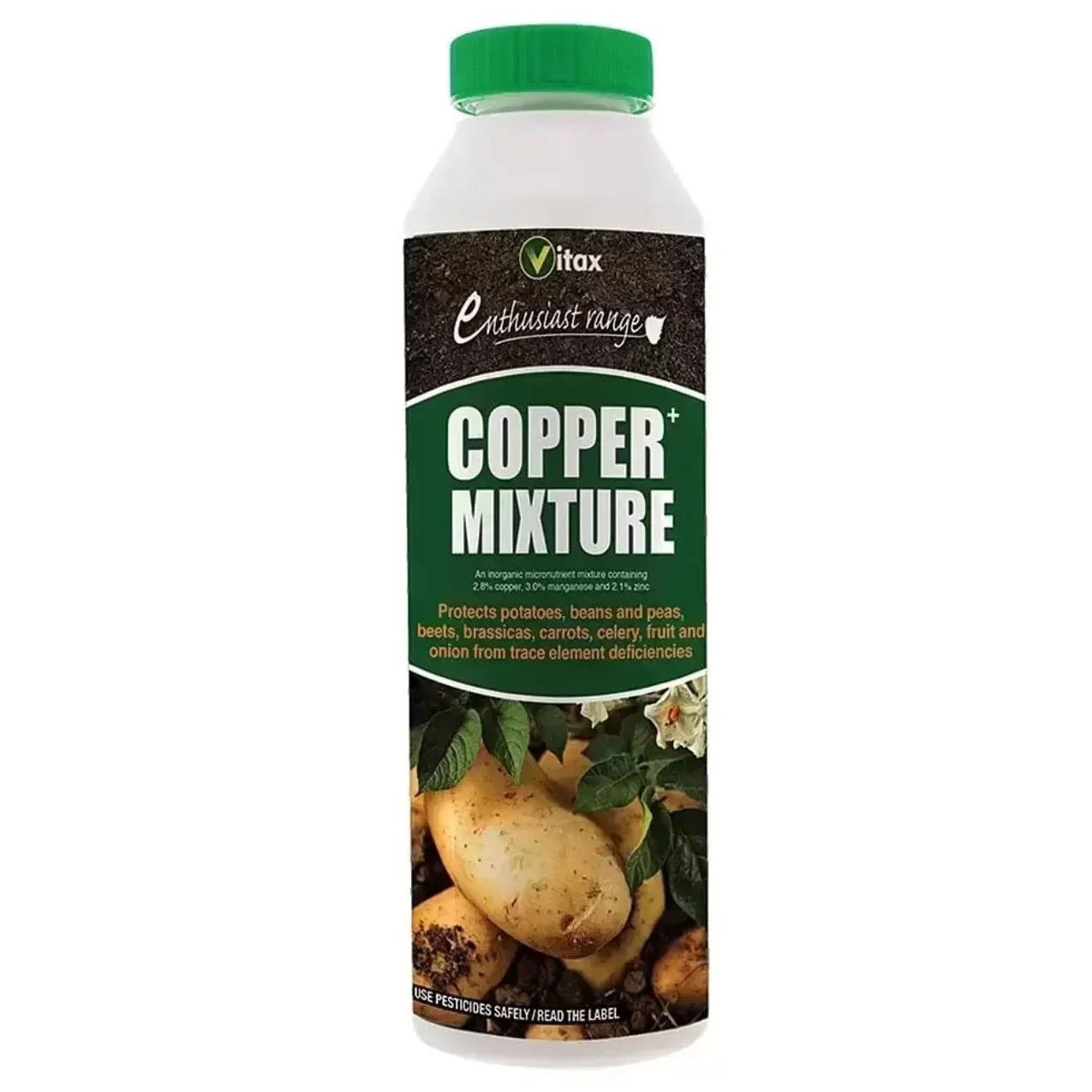
One of the most common uses for garden sprayers is applying pesticides to prevent or control pest infestations. Whether you're dealing with aphids, mosquitoes, or other garden pests, using a sprayer allows you to target specific plants or areas and treat them effectively. Be sure to follow the instructions on the pesticide label for safe and effective use.Fertilizing Plants
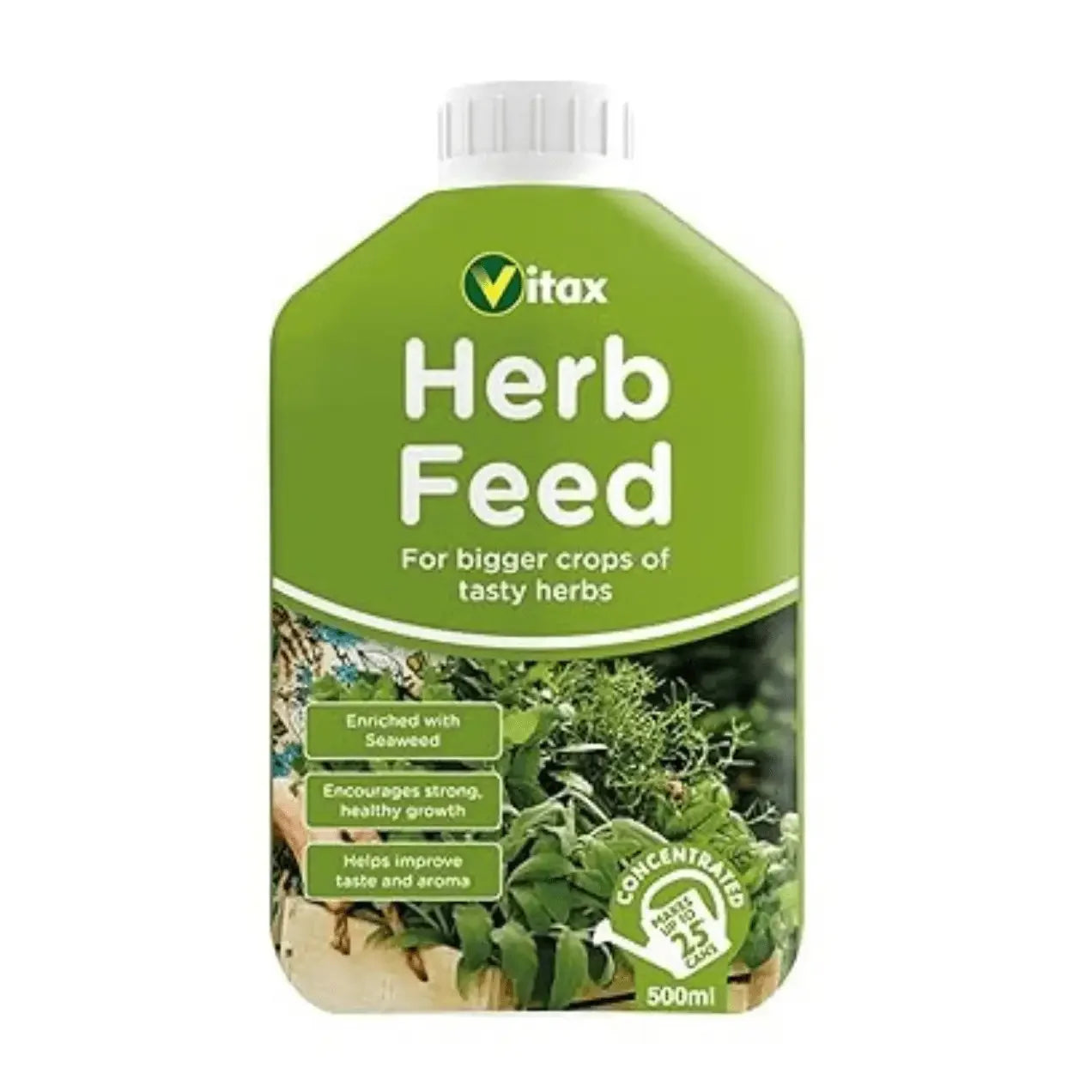
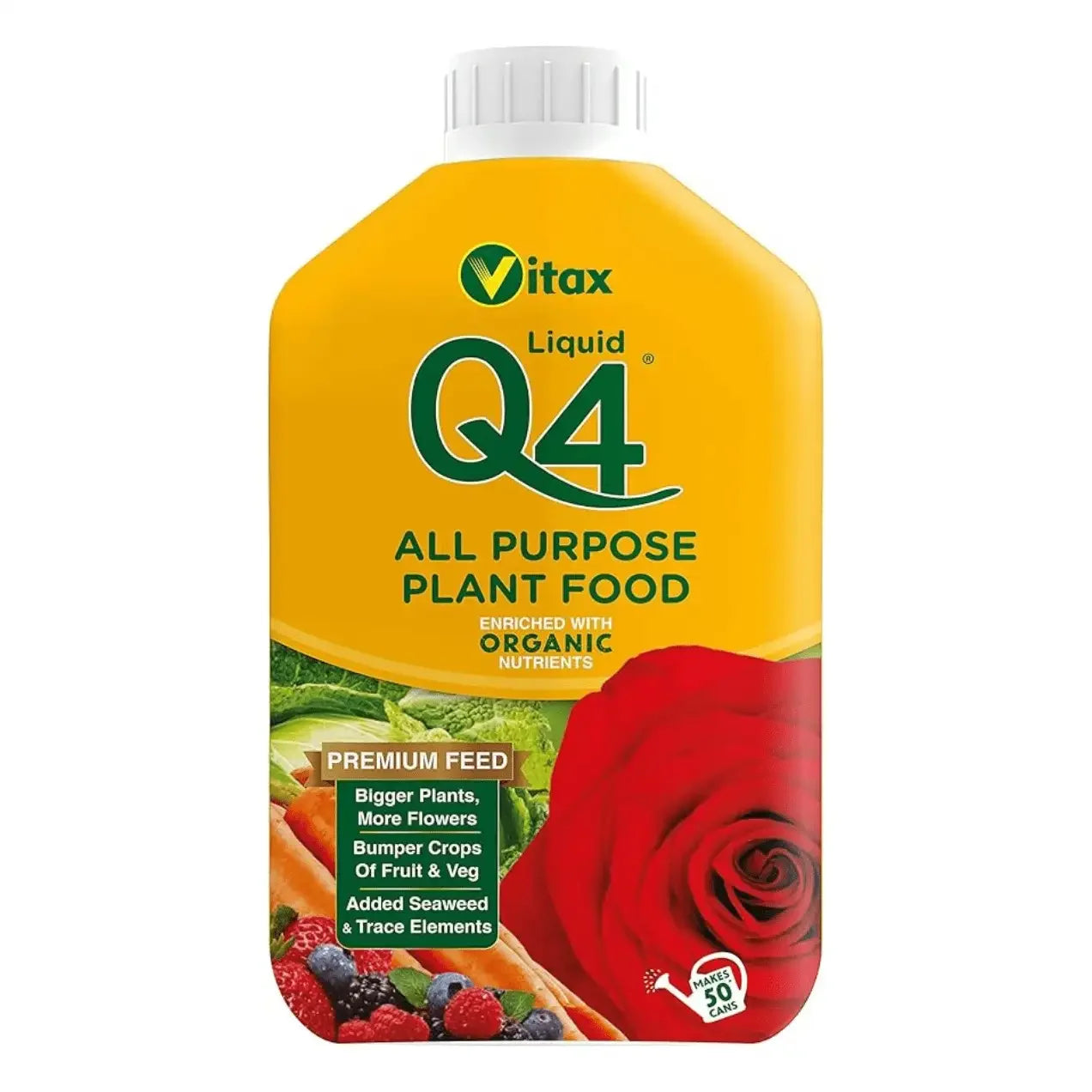
Sprayers are also useful for applying liquid fertilizers, providing your plants with essential nutrients. A garden sprayer ensures that the fertilizer is evenly distributed and absorbed by the plant roots.Weed Control
For herbicides, sprayers are an efficient way to target and treat weeds without harming surrounding plants. Whether you're spraying a weed killer on a lawn or treating specific plants, a sprayer ensures precise application to minimize waste and damage.Watering
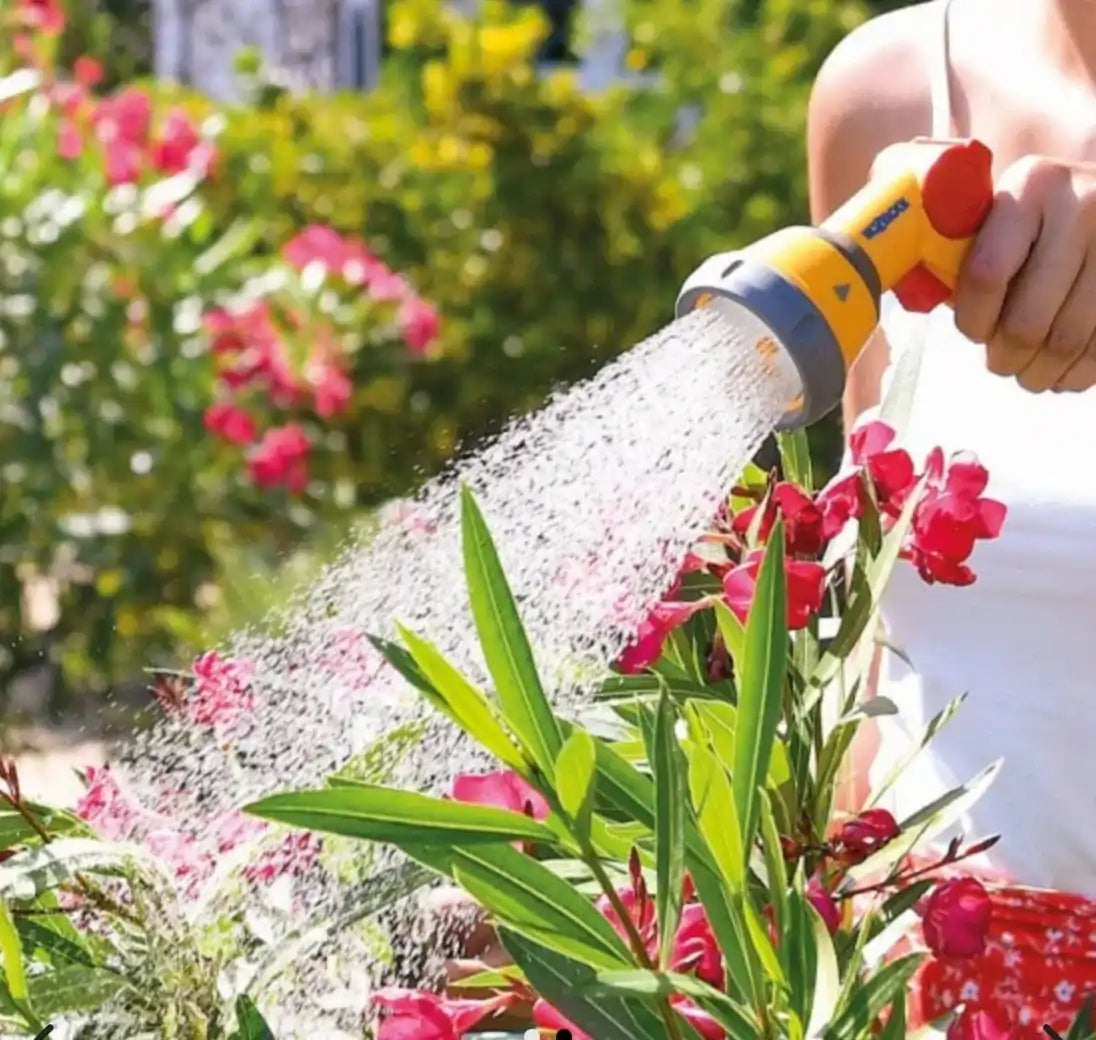
Sprayers can also be used for watering delicate plants or seeds. Some sprayers come with adjustable nozzles that allow you to control the flow of water, making them ideal for plants that require a gentle mist.Fungicide Application
Fungicides help prevent and control fungal diseases in plants. A sprayer makes applying fungicides easy and effective, ensuring that the product reaches all areas of the plant that are susceptible to disease.
How to Choose the Right Garden Sprayer
When selecting a garden sprayer, it’s important to consider your garden size, the type of task you need to accomplish, and the liquid you're applying. Here are some factors to keep in mind:
Capacity
The size of the sprayer’s tank will determine how often you need to refill it. Smaller tanks (1-2 gallons) are perfect for spot treatments or small gardens, while larger tanks (3-5 gallons) are better suited for large lawns or extensive gardening tasks.Pressure
Pressure sprayers are ideal for providing a consistent flow of liquid over a large area. Choose a sprayer with adjustable pressure settings for more control over the spray pattern and coverage.Ease of Use
Consider how easy the sprayer is to carry and maneuver. For larger areas, backpack sprayers offer more comfort, while handheld sprayers are great for small, targeted applications.Nozzle Type
The nozzle of the sprayer determines the spray pattern. Look for sprayers with adjustable nozzles that allow you to switch between a fine mist, a jet stream, or a fan pattern, depending on the application.Material
Sprayers made of durable materials like high-density polyethylene (HDPE) are long-lasting and resistant to chemicals. If you’re using the sprayer for herbicides or strong chemicals, make sure the tank and nozzle are compatible with those substances.
Tips for Using Your Garden Sprayer
Wear Protective Gear
When using a sprayer to apply pesticides, herbicides, or fungicides, always wear gloves, goggles, and long sleeves to protect your skin and eyes from harmful chemicals.Clean After Each Use
Clean your sprayer thoroughly after every use to prevent clogs and contamination. Rinse the tank, nozzle, and hose with water, and check for any residue that could affect future use.Test the Sprayer Before Use
Before starting your gardening task, test the sprayer to make sure it’s functioning properly. Adjust the nozzle and pressure as needed to achieve the desired spray pattern.Store Properly
After use, store your garden sprayer in a cool, dry place away from direct sunlight. This helps prevent damage to the sprayer’s materials and extends its lifespan.
FAQs
1. How do I choose the right sprayer for my garden?
Consider the size of your garden, the type of plants, and the tasks you need to accomplish. For small gardens, a handheld sprayer or a 1-2 gallon sprayer is sufficient, while larger gardens may require a 4-5 gallon sprayer or backpack sprayer.
2. Can I use the same sprayer for pesticides and fertilizers?
Yes, but it’s important to thoroughly clean your sprayer between uses to avoid cross-contamination of chemicals or fertilizers. If you frequently use pesticides or herbicides, you may want a separate sprayer for those tasks.
3. How often should I clean my sprayer?
Always clean your sprayer after each use, especially if you’ve applied chemicals. This prevents blockages, clogs, and the buildup of residue that could affect future performance.
4. Can I use a garden sprayer for watering plants?
Yes, you can use a sprayer for watering delicate plants or applying a fine mist to seedlings. Some sprayers come with adjustable nozzles to switch between a fine mist and a heavier spray for different tasks.
5. How do I prevent my sprayer from clogging?
Clean the nozzle and hose regularly to prevent clogs. If you notice a blockage, check the nozzle for dirt or debris, and rinse it thoroughly.