



Houseplant Composting
Houseplant Composting
 SALE
SALE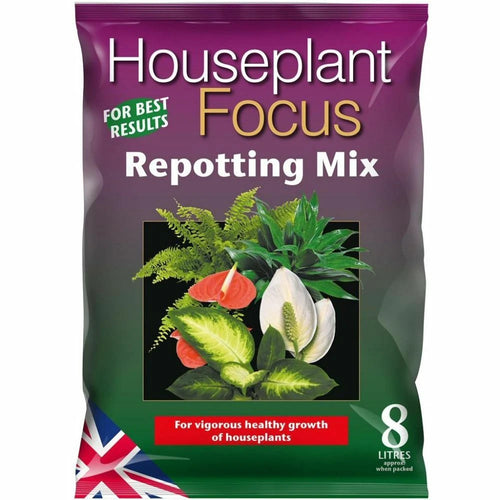
 SALE
SALE
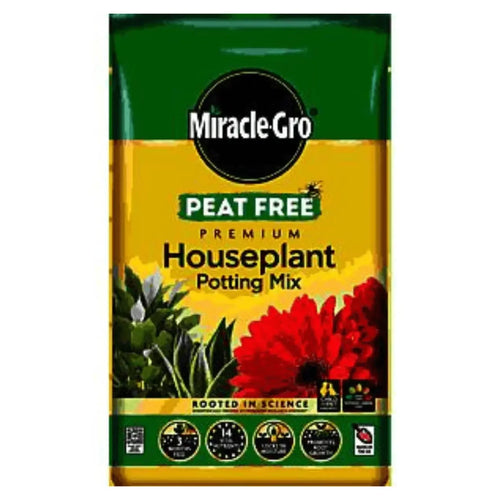
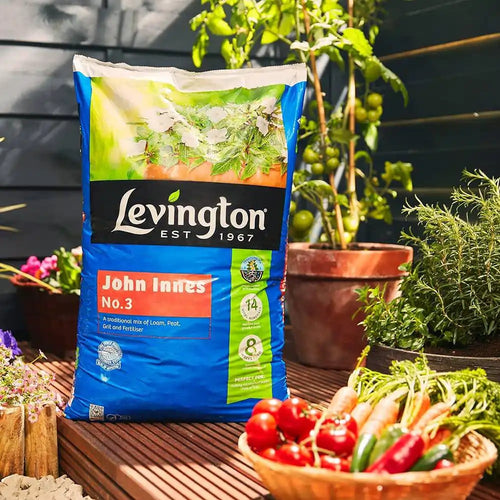
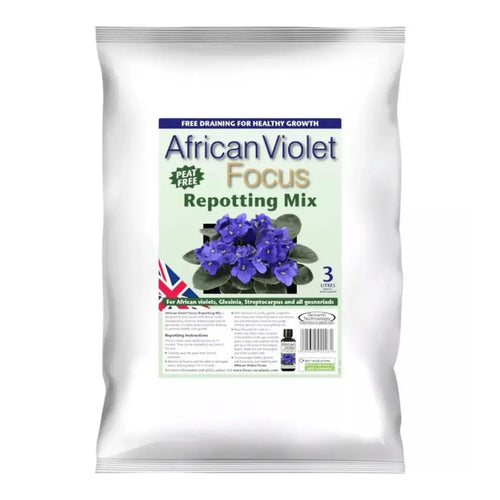
For indoor gardeners, the key to healthy houseplants lies in choosing the right compost. Houseplant compost is specifically formulated to meet the needs of plants grown inside the home, providing the ideal balance of nutrients, moisture retention, and drainage. Whether you're a seasoned plant enthusiast or a beginner, selecting the right compost for house plants is essential for growth and vitality.
What is Houseplant Compost?
Houseplant compost is a specially designed growing medium that offers the perfect environment for plants kept indoors. It typically contains a blend of peat, bark, and other organic materials that support the needs of indoor plants by providing excellent drainage, aeration, and water retention. These properties are essential for plants grown in containers, as they help avoid the risk of waterlogging and root rot—two common problems for houseplants.
Unlike outdoor composts, which are often made to suit a variety of plants and conditions, houseplant compost is formulated with the unique challenges of indoor environments in mind. It ensures that plants get the nutrients they need while maintaining the right balance of moisture, making it easier for houseplants to thrive.
Compost for House Plants: Why It Matters
Indoor plants often face a different set of challenges compared to outdoor plants. The soil in containers can become compacted over time, restricting root growth and affecting drainage. Compost for house plants addresses these issues by improving the soil structure, ensuring good air circulation around the roots, and preventing compaction.
Additionally, houseplant compost contains the necessary nutrients to support growth, flowering, and overall plant health. Using the right compost encourages strong, healthy roots, which are essential for the plant's nutrient uptake and overall vitality. Whether you're growing leafy greens, flowering plants, or succulents, houseplant compost helps create an environment where your plants can thrive.
Best Compost for House Plants
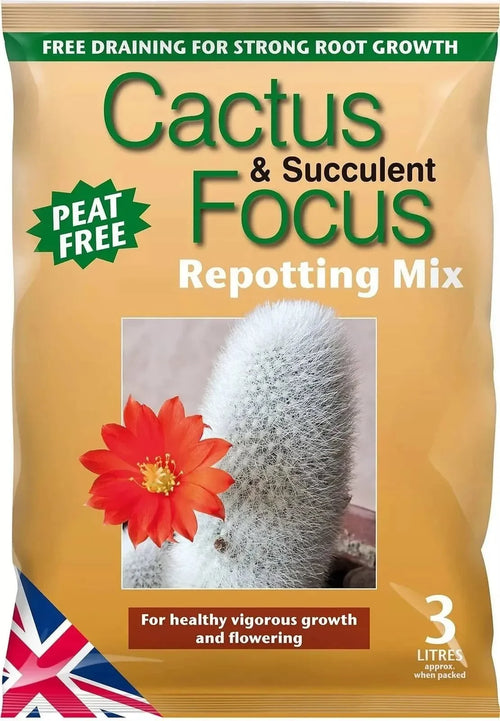
When looking for the best compost for house plants, it’s important to consider the type of plants you have and their specific needs. Some houseplants, such as succulents and cacti, require a lighter, well-draining mix, while others, like ferns and tropical plants, benefit from a richer, more moisture-retentive compost.
The best houseplant compost will have the following qualities:
Well-draining: Prevents water from sitting around the roots and helps avoid root rot.
Nutrient-rich: Provides essential nutrients like nitrogen, potassium, and phosphorus to support growth.
Light and airy texture: Ensures roots can grow freely and access oxygen.
pH balanced: Most houseplants thrive in slightly acidic to neutral pH, so a compost that is pH balanced is ideal.
How to Use It
Using compost for house plants is simple. Start by filling your pots or containers with fresh compost. Make sure to leave space at the top of the pot to allow for watering. Gently remove your plant from its current pot, carefully loosening the roots if needed, and place it in the new pot with the houseplant compost. Add more compost around the roots, pressing it gently to ensure stability.
Regularly check your houseplants and refresh the compost every 1-2 years to ensure your plants continue to receive the necessary nutrients. Over time, the compost will break down, and nutrients will be depleted, so replenishing it is essential for ongoing plant health.
FAQs
What is the best compost for house plants?
The best compost for house plants is one that offers excellent drainage, nutrient retention, and air circulation. Look for compost labeled specifically for indoor plants to ensure it meets their unique needs.
Can I use outdoor compost for my house plants?
While outdoor compost can be used, it is generally not recommended for house plants. It may lack the proper texture and drainage properties needed for indoor growth. It’s best to use a compost formulated specifically for houseplants.
How often should I repot my house plants with fresh compost?
It’s a good idea to repot your house plants every 1-2 years, or when the plant outgrows its pot. This ensures that the compost remains nutrient-rich and supports healthy growth.
Can I use houseplant compost for all types of indoor plants?
Most houseplant compost is suitable for a variety of indoor plants, but some plants, like cacti or succulents, may require a specialized, well-draining compost. Always check your plant’s specific needs.
Is houseplant compost available in the UK?
Yes, many brands offer high-quality houseplant compost in the UK, tailored to the needs of indoor plants. Look for products that are peat-free and enriched with essential nutrients for the best results.
.