


Lawn Care
Lawn Care
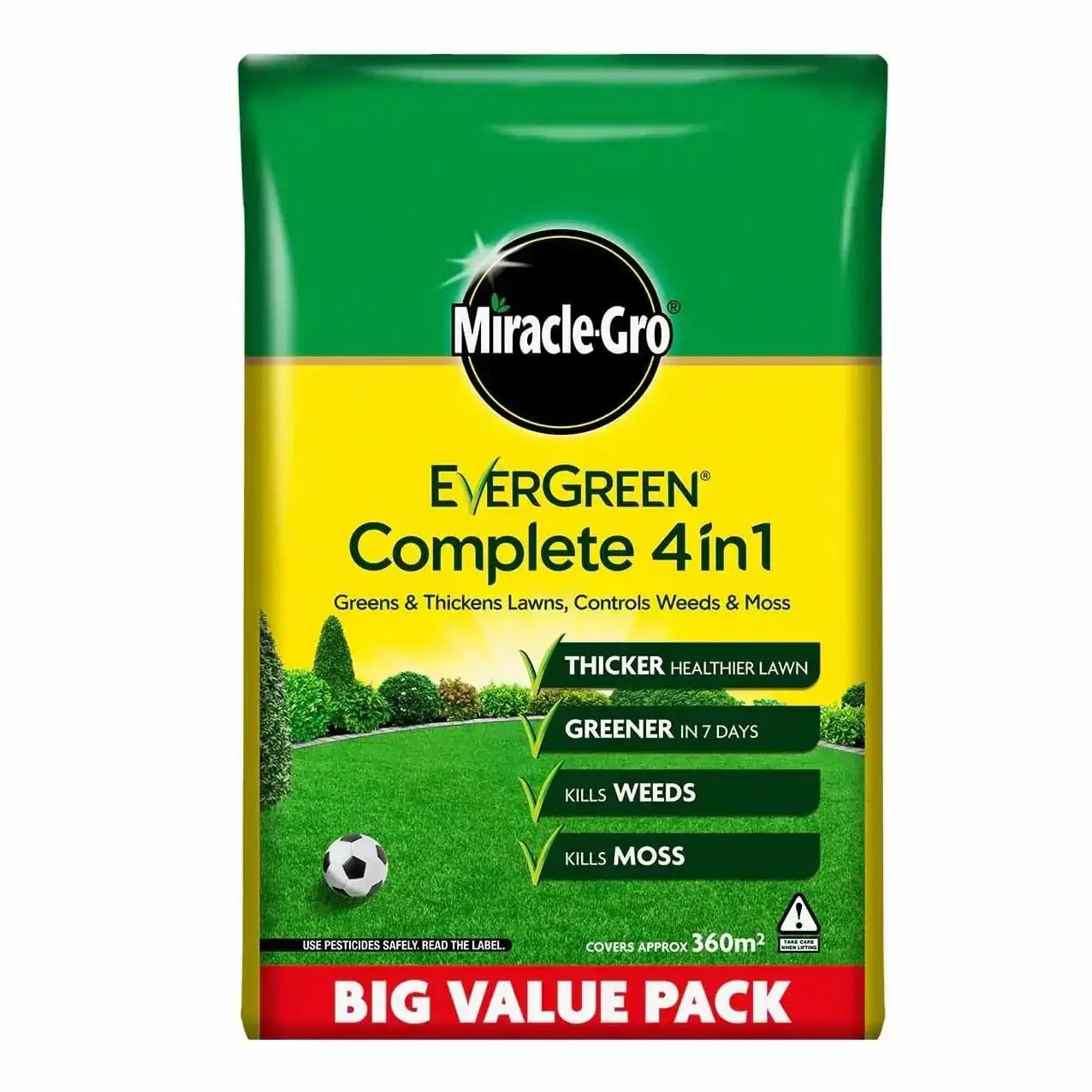
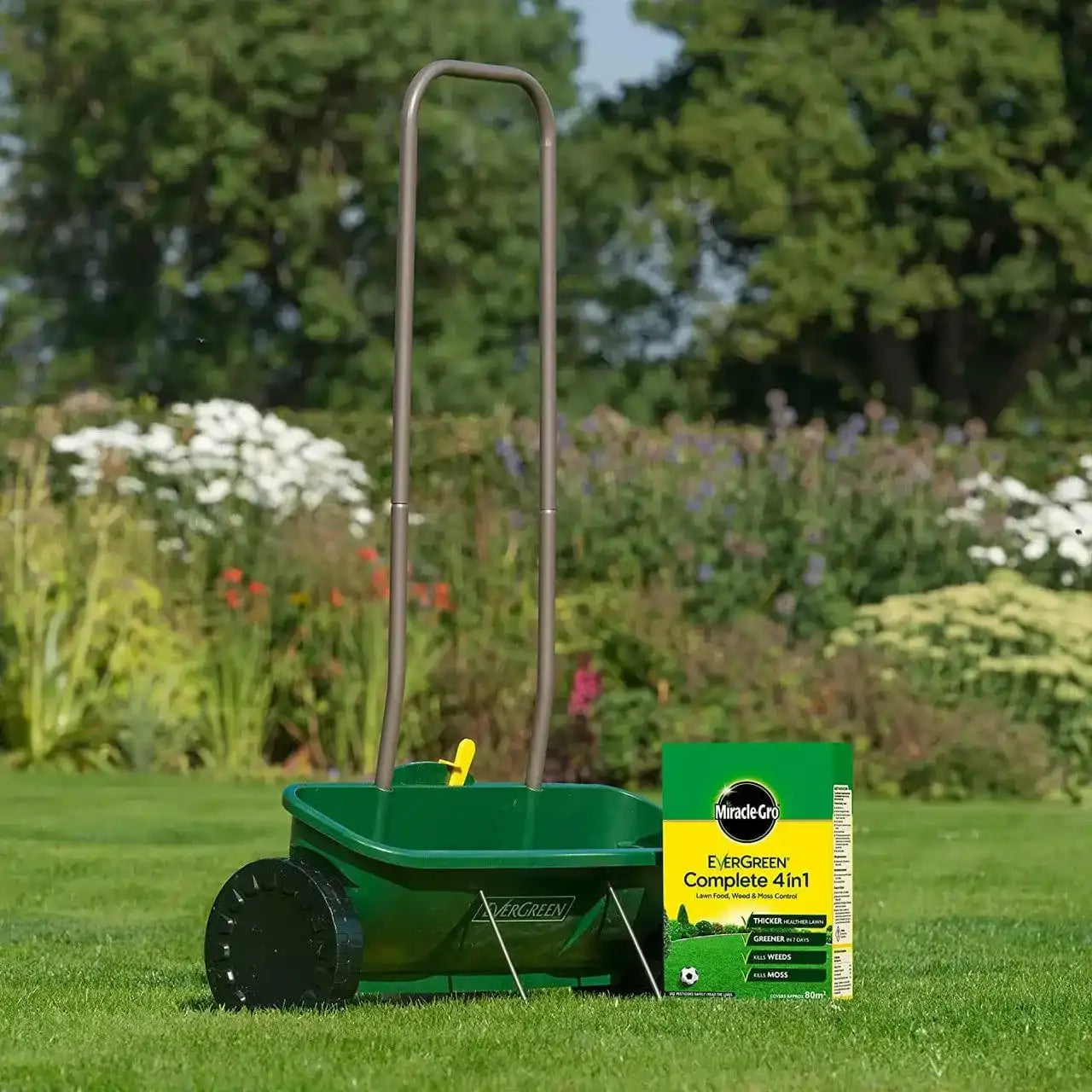
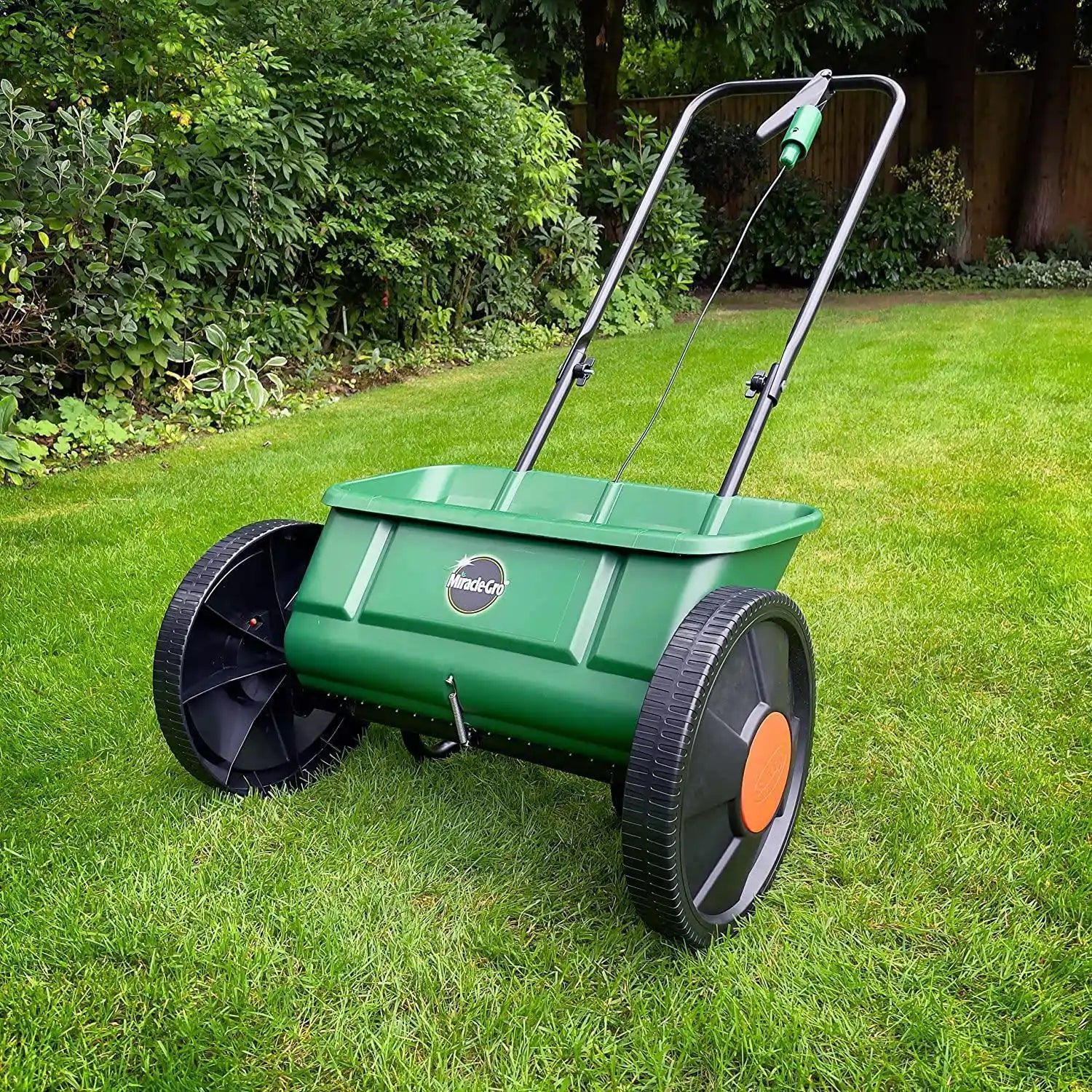

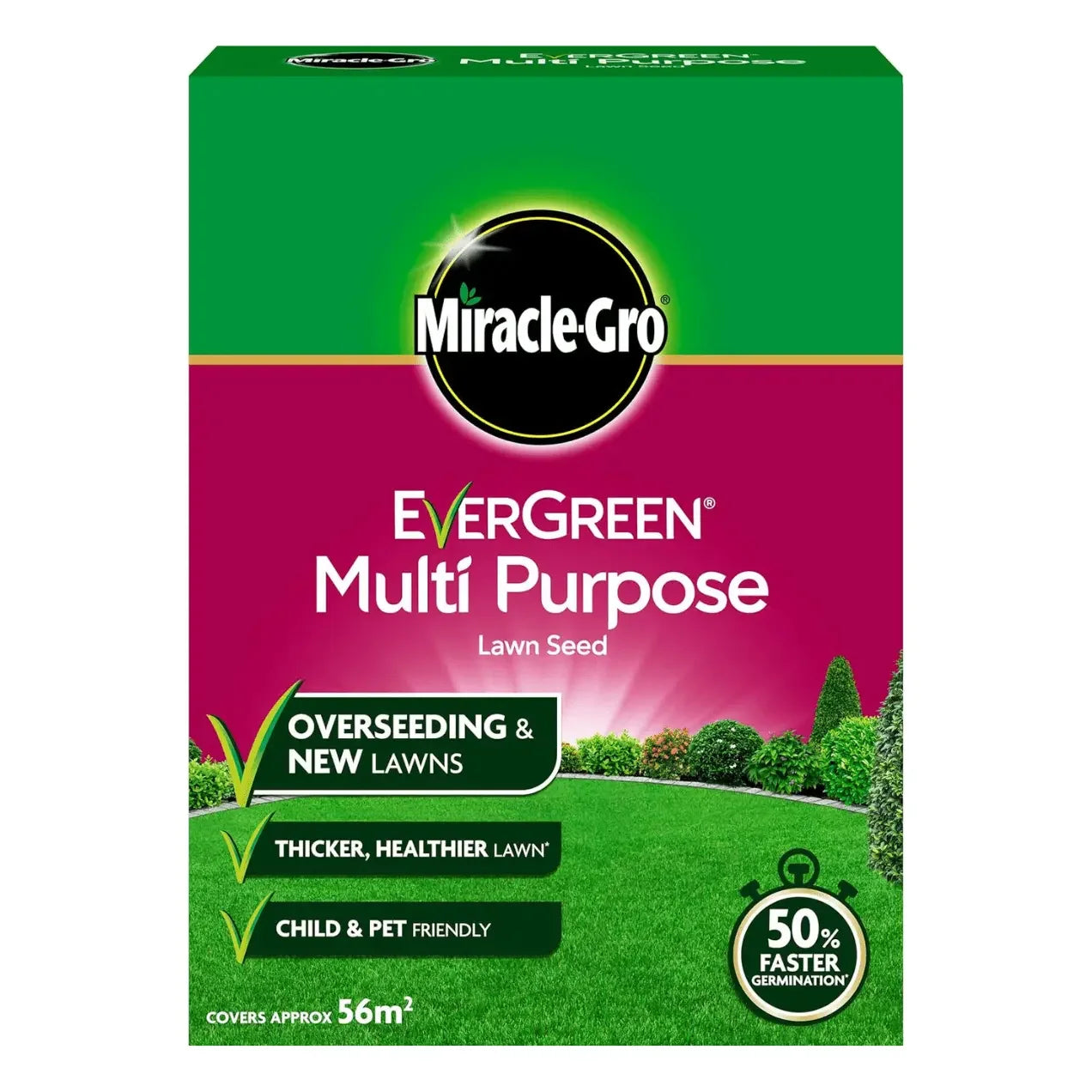
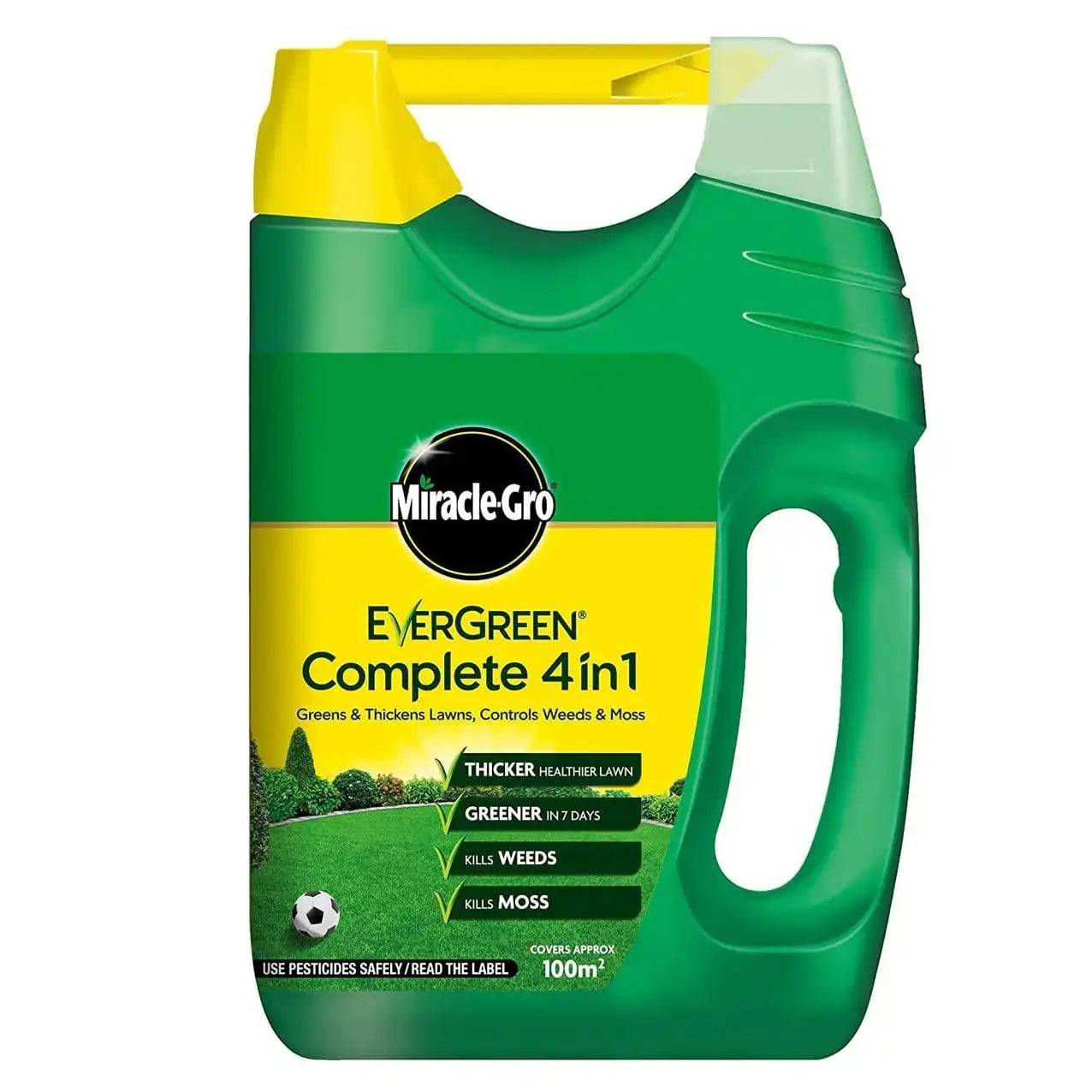
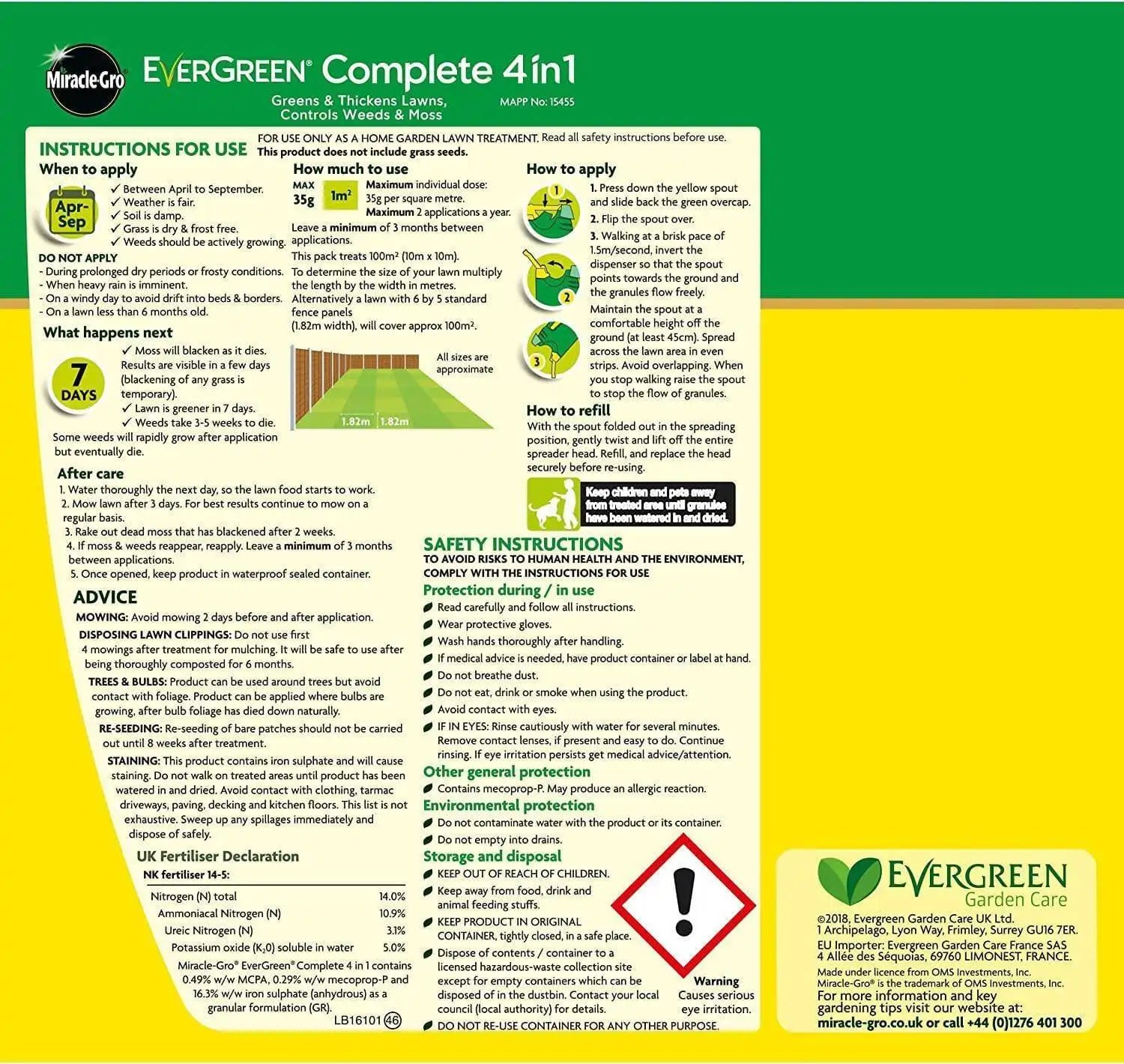
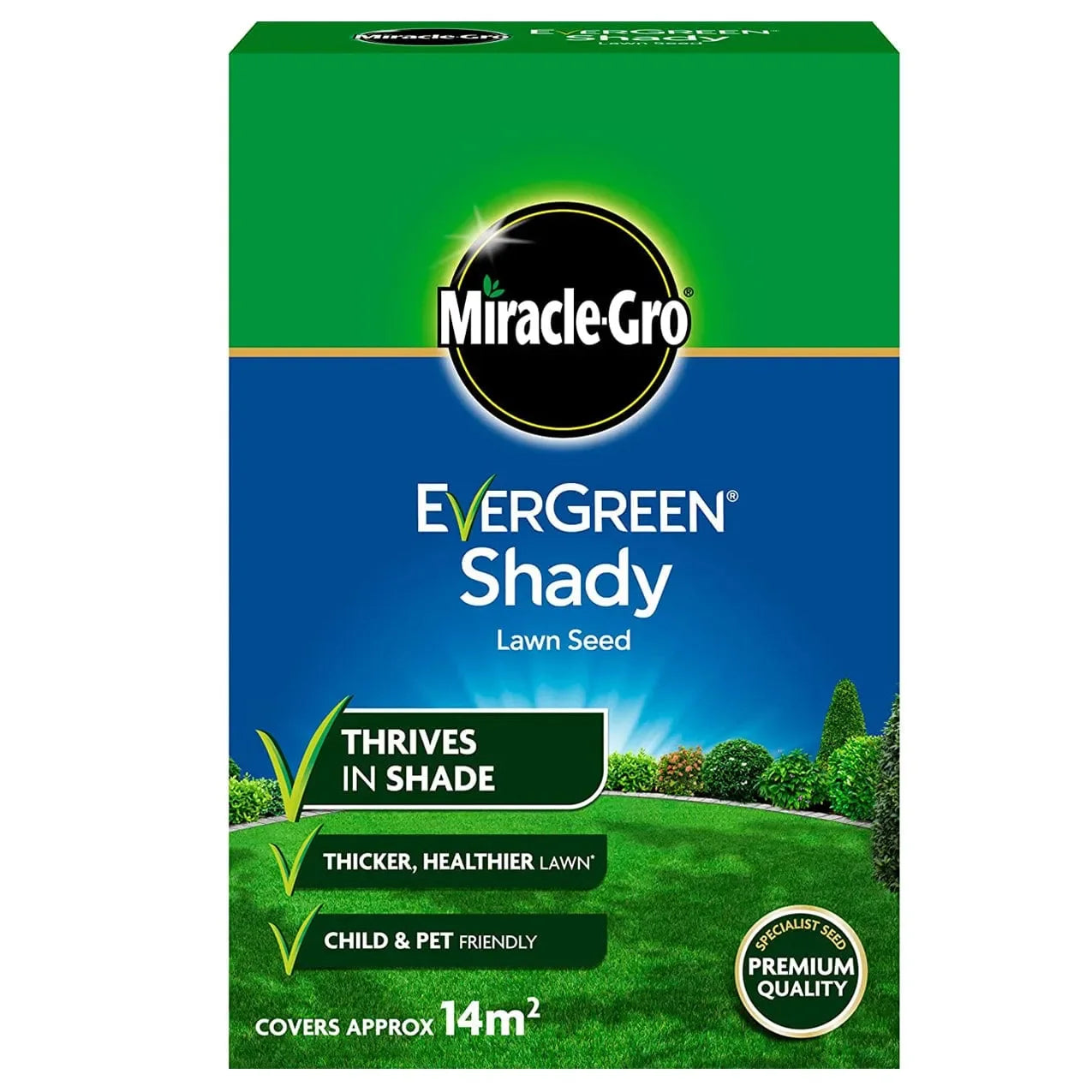


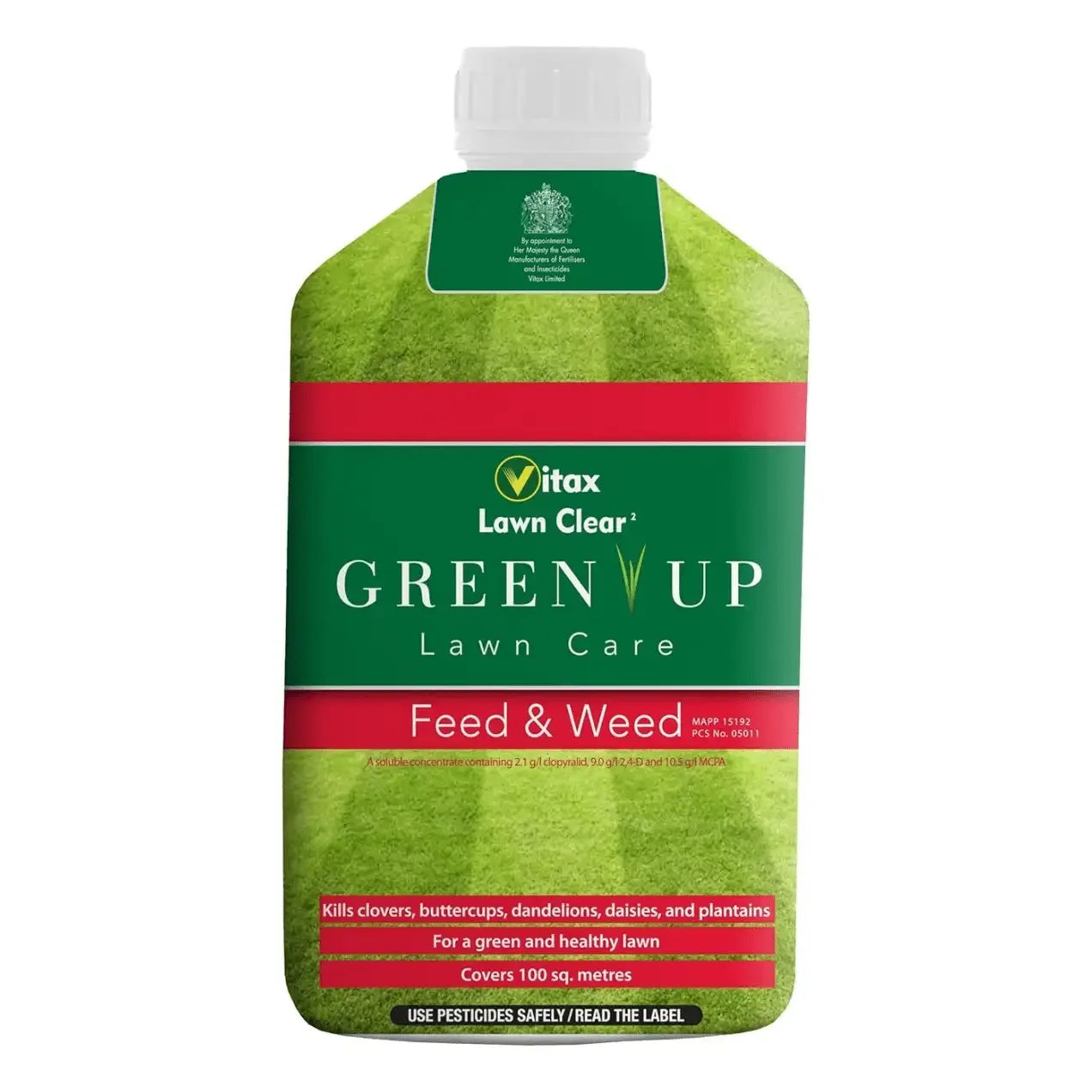
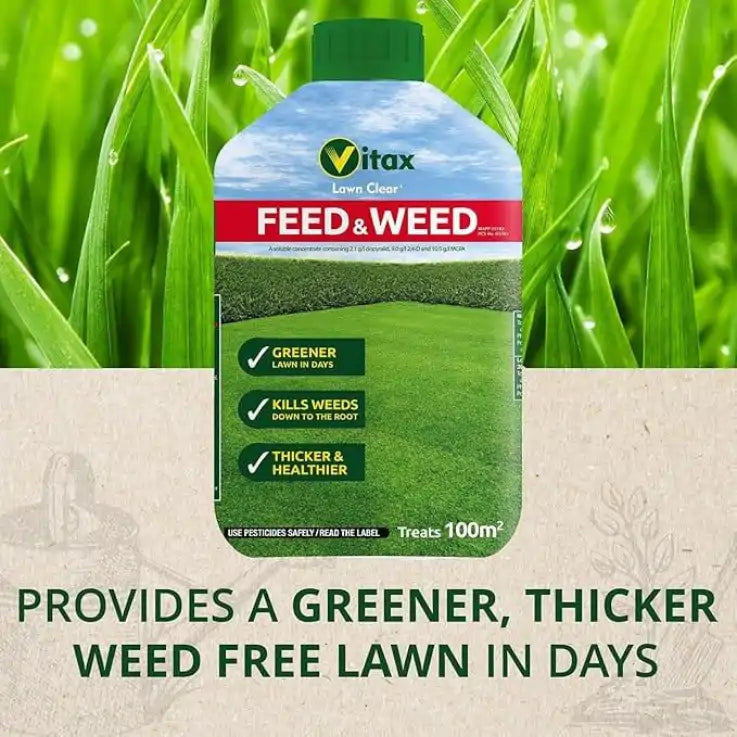
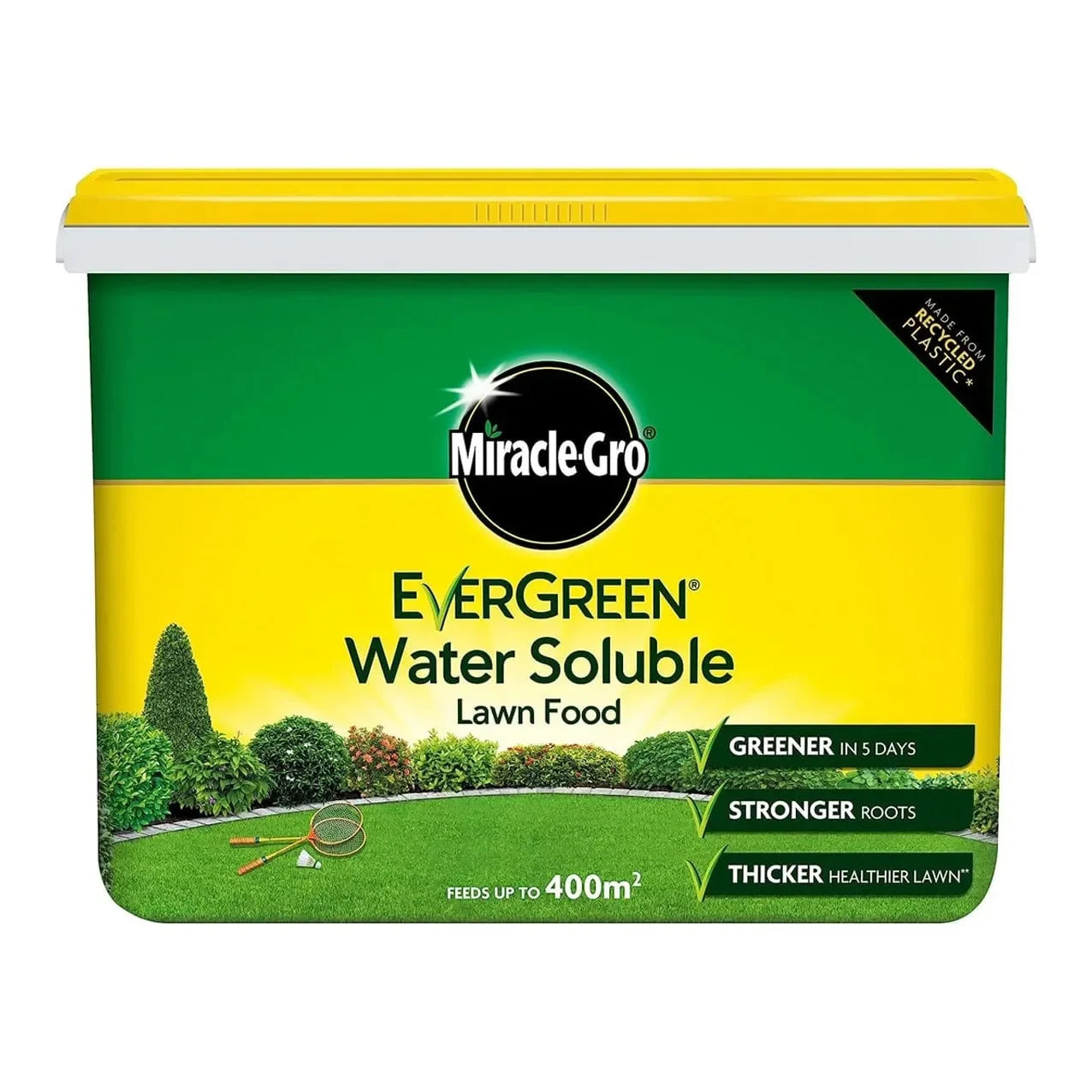
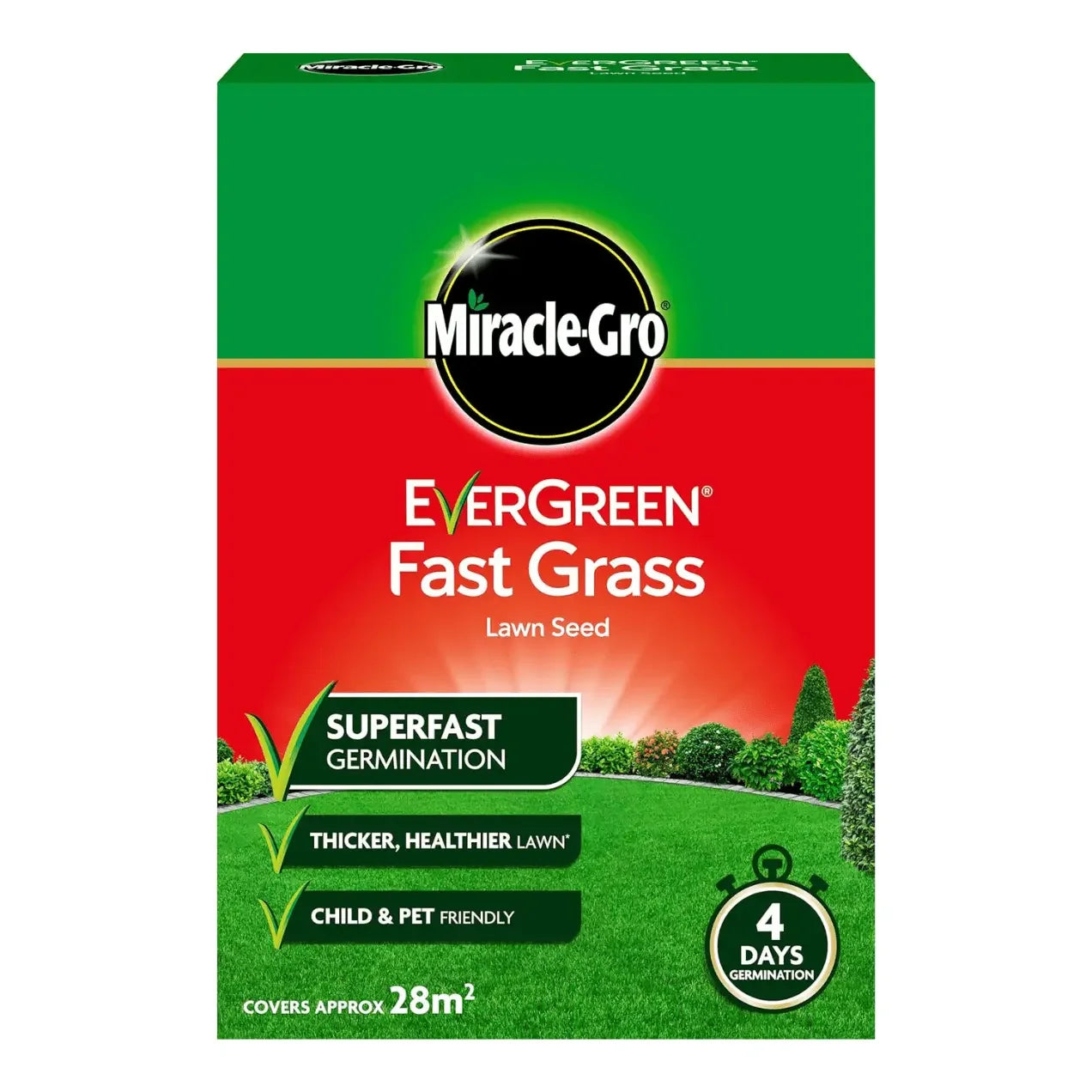
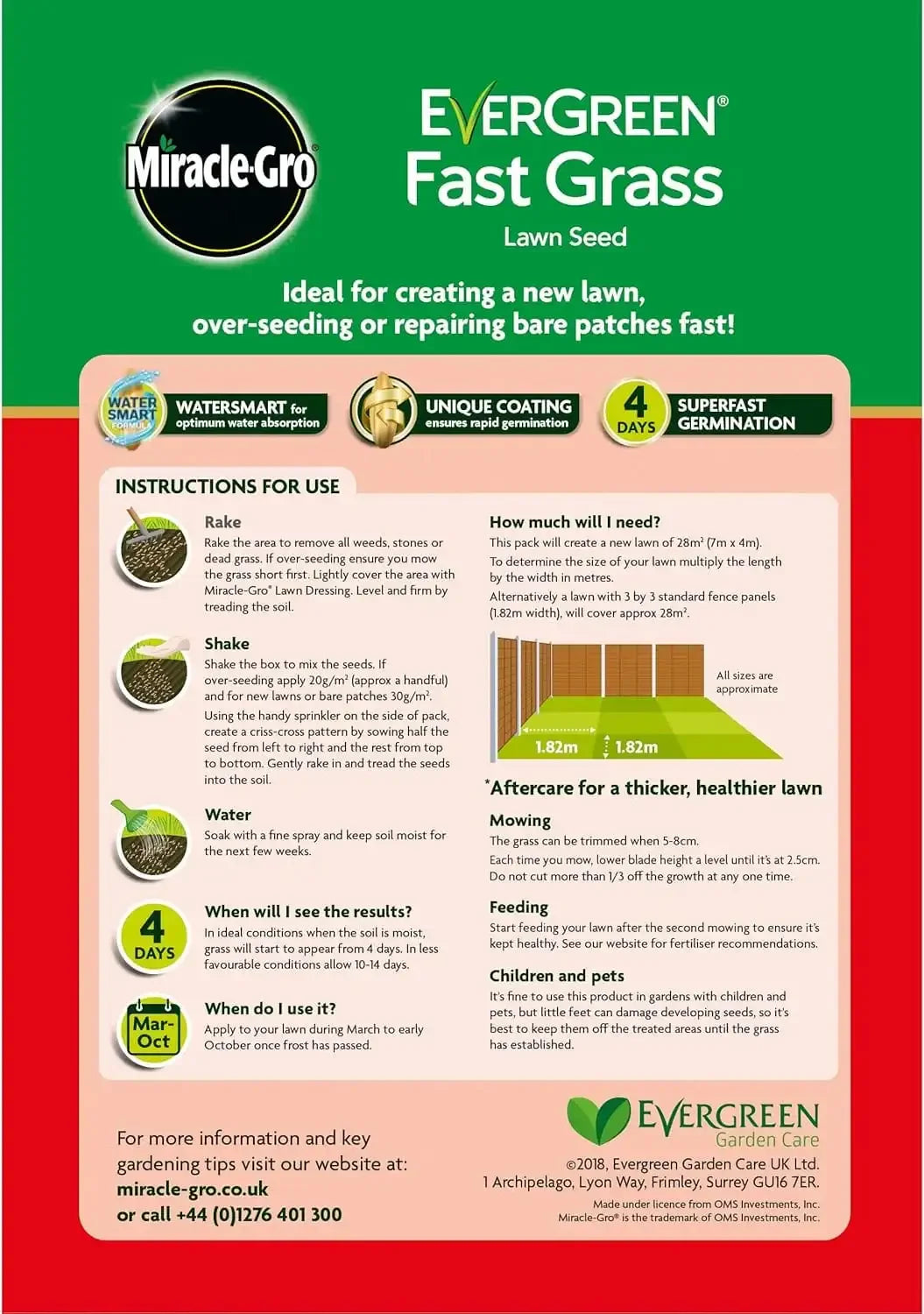
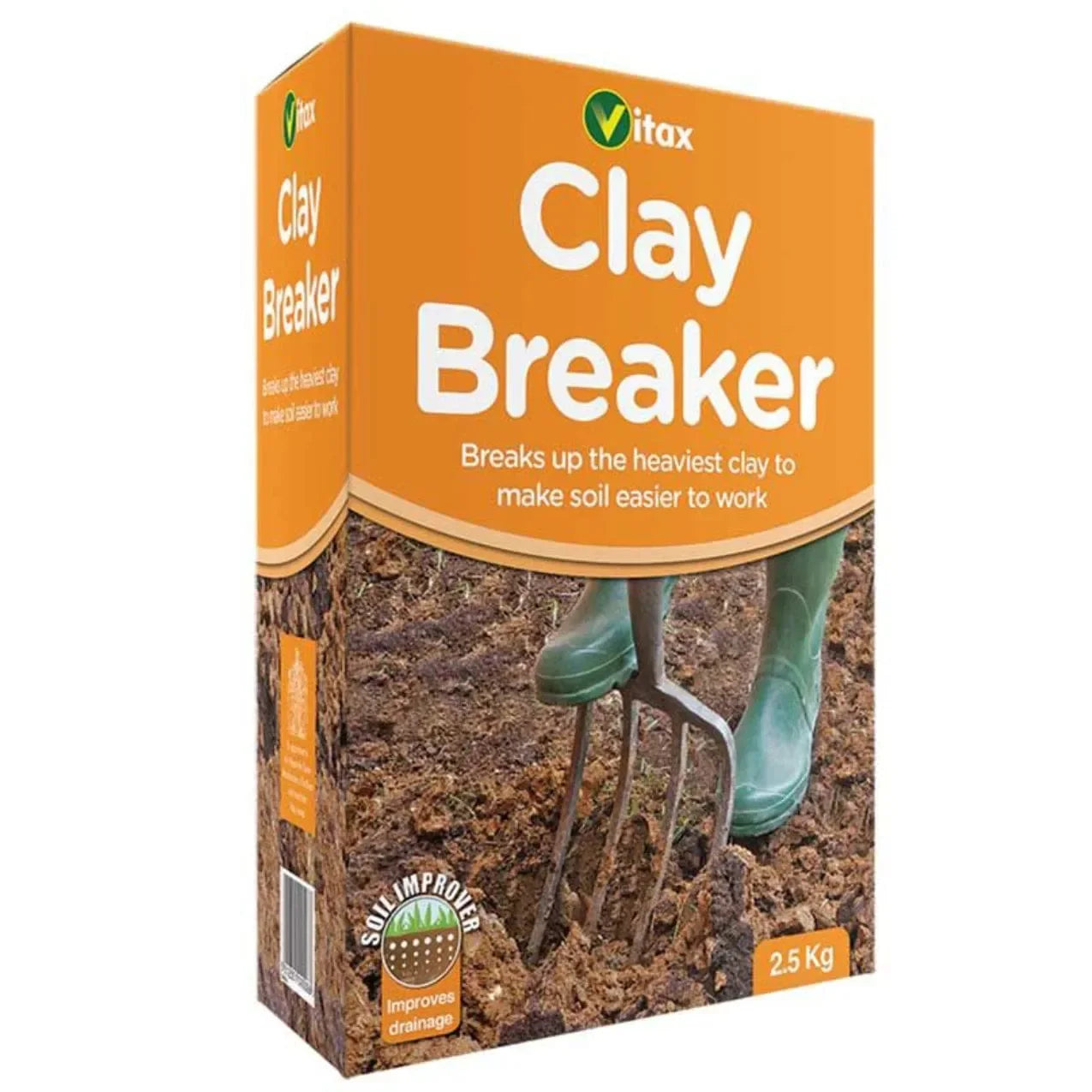
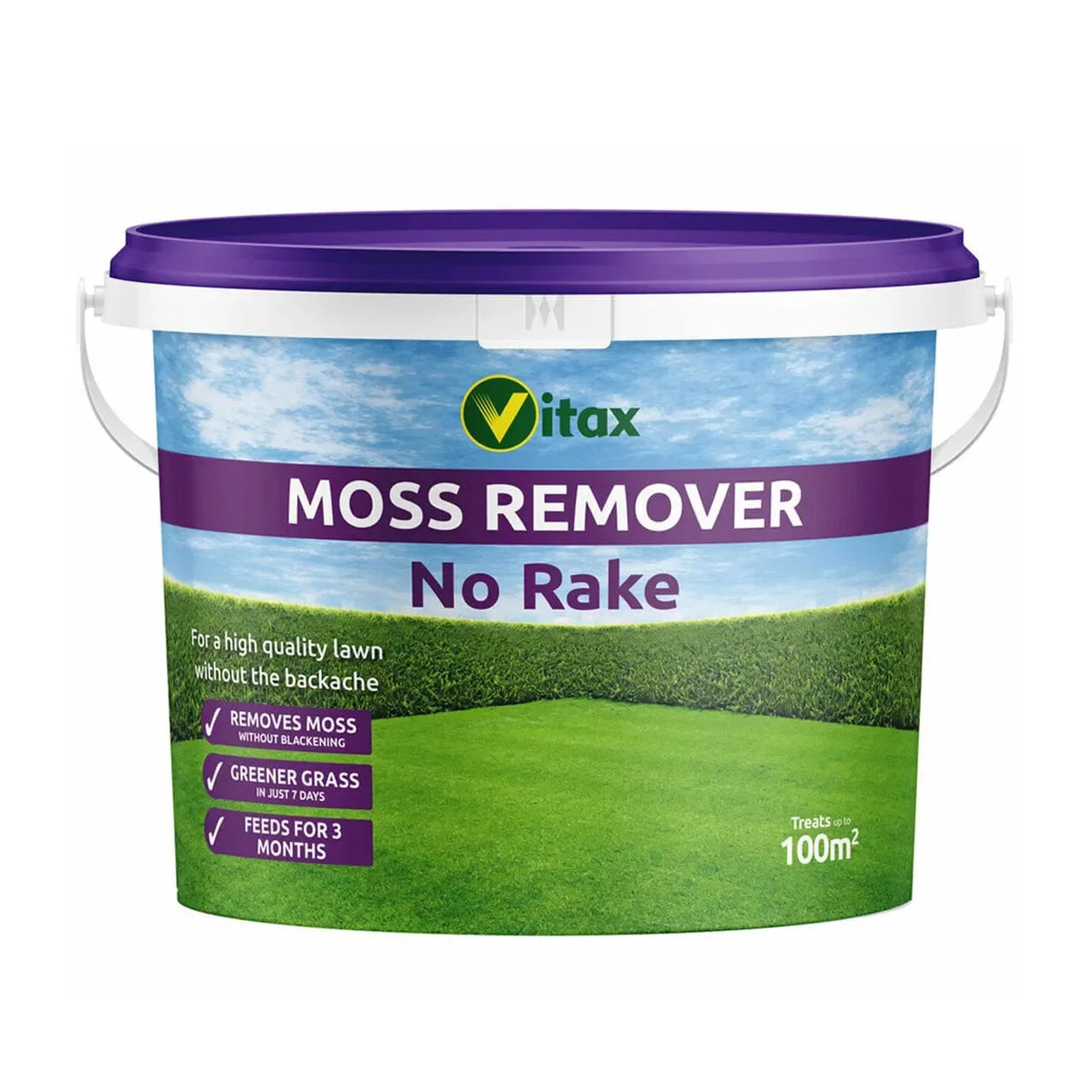


A lush, green lawn is a beautiful feature of any garden, but maintaining one requires proper care and attention. Lawn care involves several key practices that help promote healthy grass, prevent weeds, and maintain the lawn’s appearance. Whether you’re a seasoned gardener or just starting out, knowing the right lawn care products and techniques will ensure your lawn thrives year-round. In this guide, we’ll cover everything you need to know about lawn care, including the best lawn care products and practices.
Why Lawn Care is Important
Proper lawn care is essential for creating a beautiful and healthy lawn that can withstand various weather conditions, pests, and foot traffic. Regular maintenance promotes strong grass growth, reduces weed problems, and ensures that your lawn remains green and vibrant. Lawn care practices like mowing, fertilizing, watering, and aerating all contribute to a lawn that looks great and remains healthy.
A well-maintained lawn also improves the overall appearance of your garden, increases property value, and helps the environment by reducing soil erosion, improving air quality, and promoting biodiversity.
Healthy Lawn Care Essentials
Mowing: Regular mowing is essential for keeping your lawn looking neat and preventing weeds from taking hold. Mow your lawn when it reaches around 3 to 4 inches in height, but avoid cutting more than one-third of the grass height at a time. This helps maintain the health of the grass and prevents stress.
Watering: Lawns need a consistent water supply to thrive. Water your lawn deeply and less frequently rather than shallow and often. Deep watering encourages deep root growth, making your grass more drought-tolerant. The best time to water is early in the morning or late in the evening to prevent evaporation loss.
Fertilizing: Fertilizing provides essential nutrients that support healthy grass growth. The right lawn fertilizer should contain a balanced mix of nitrogen (for green growth), phosphorus (for root development), and potassium (for overall plant health). Fertilize your lawn during the growing season, typically in the spring and fall, to give your grass the nutrients it needs.
Aerating: Lawn aeration involves perforating the soil to allow air, water, and nutrients to reach the roots more effectively. Aerating your lawn is especially important if you have compacted soil or heavy foot traffic. It helps reduce thatch build-up, improves soil drainage, and supports root growth.
Weed Control: Weeds can quickly take over a lawn if left unchecked. Regular lawn care practices, including proper mowing, watering, and fertilizing, can help prevent weed growth. You can also use weed control products to target specific weeds and prevent them from spreading.
Pest Control: Lawn pests, such as grubs and insects, can damage your grass and lead to patchy areas. Monitoring for signs of pest damage and using targeted treatments can help protect your lawn. Organic pest control methods are available, but chemical treatments may be needed for severe infestations.
FAQs
What is the best way to control weeds on my lawn?
Regular mowing, proper watering, and fertilizing can help prevent weed growth. For persistent weeds, use a selective weed killer or try organic solutions like vinegar or corn gluten meal.
How often should I mow my lawn?
Mow your lawn once a week during the growing season. In the warmer months, you may need to mow more frequently. Avoid cutting more than one-third of the grass height at a time.
What is the best lawn fertilizer for my lawn?
The best lawn fertilizer depends on your grass type, soil conditions, and the season. Look for a balanced fertilizer with the right mix of nitrogen, phosphorus, and potassium. Slow-release formulas are ideal for long-lasting results.
How do I fix bare patches in my lawn?
Bare patches can be repaired by overseeding with grass seed suitable for your soil and climate. Ensure proper watering and fertilization to help the new grass establish quickly.
What is lawn aeration, and why is it important?
Lawn aeration is the process of perforating the soil with small holes to allow air, water, and nutrients to reach the roots more effectively. It’s especially important for lawns with compacted soil.