


Lawn Spreaders
Lawn Spreaders
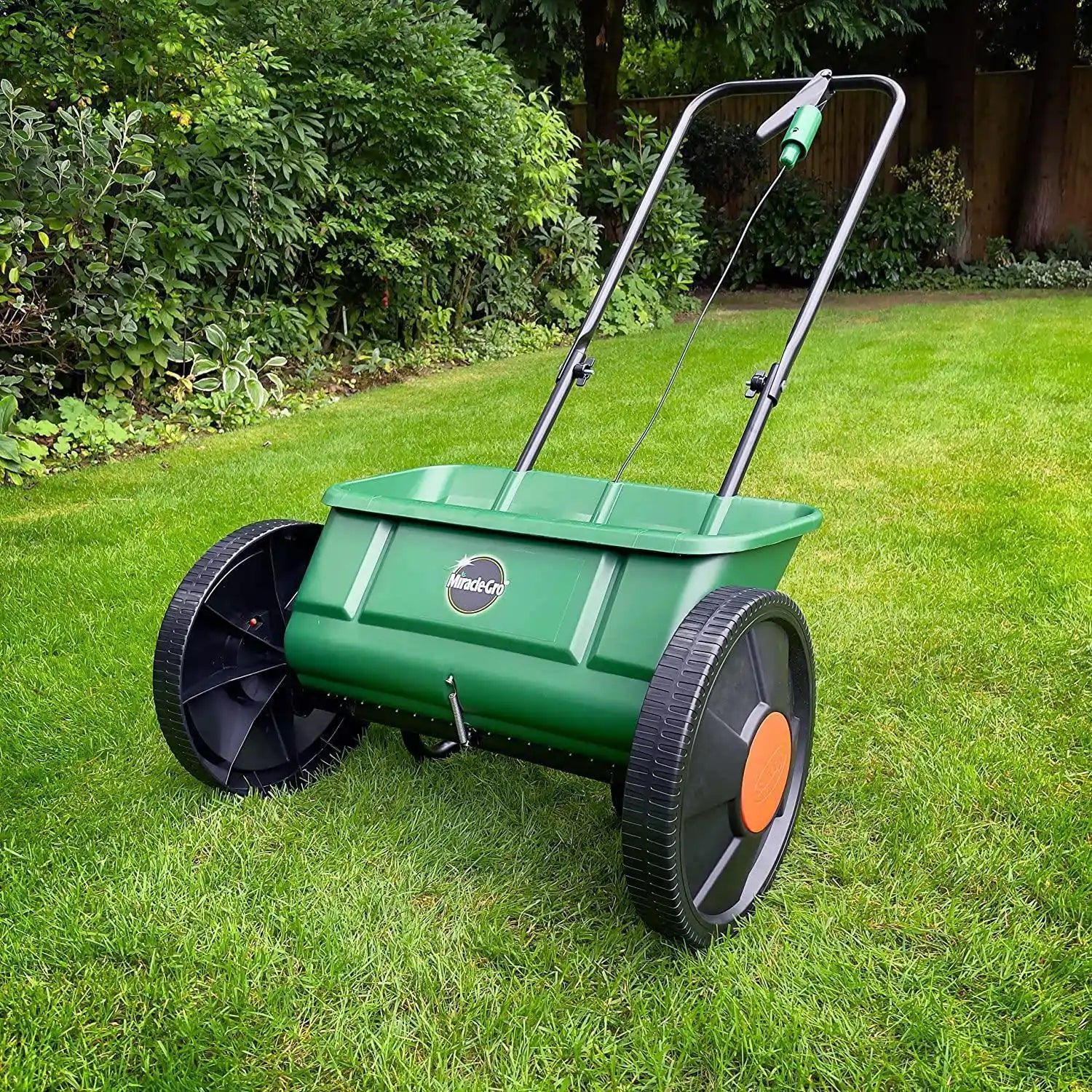


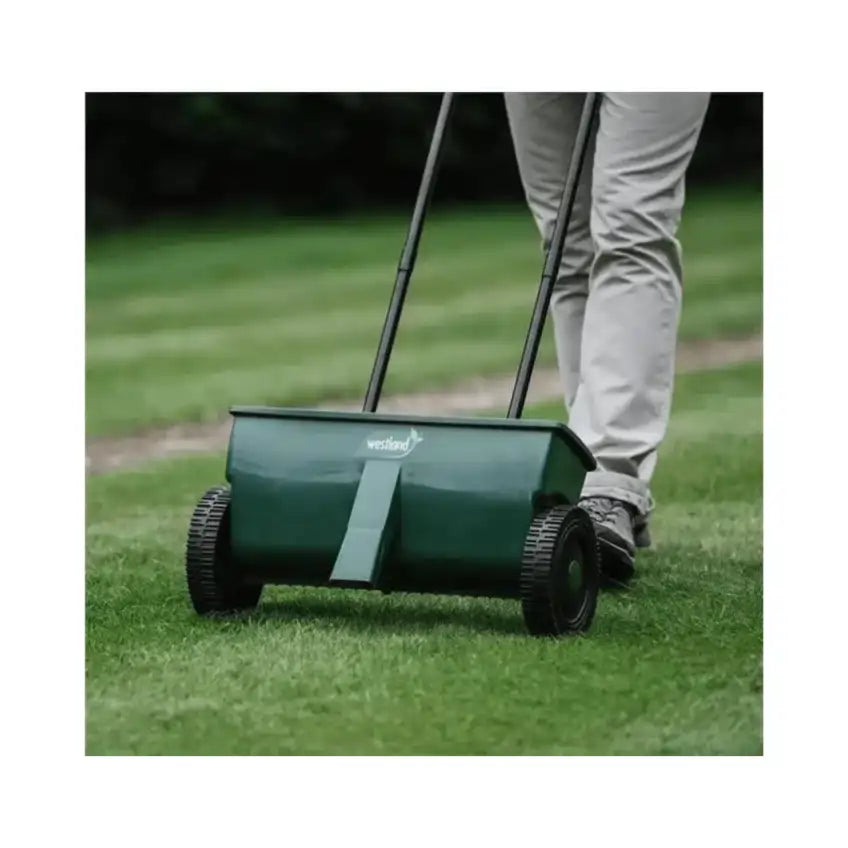


Achieving a lush, green lawn requires more than just planting grass seed and watering regularly. Lawn spreaders are essential tools for efficiently distributing grass seed, fertilizer, and other lawn care products evenly across your lawn. Whether you're looking to seed a new lawn, apply fertilizer, or add lawn treatment, using the right spreader can make all the difference in ensuring a healthy and beautiful lawn.
What is a Lawn Spreader?
A lawn spreader is a gardening tool designed to evenly distribute products such as grass seed, fertilizer, and pesticides across your lawn. By using a spreader, you ensure that the products are applied uniformly, promoting healthy, even growth without over-applying in certain areas. There are several types of lawn spreaders, each designed for specific tasks, including lawn seeding, feeding, and treating.
Types of Lawn Spreaders
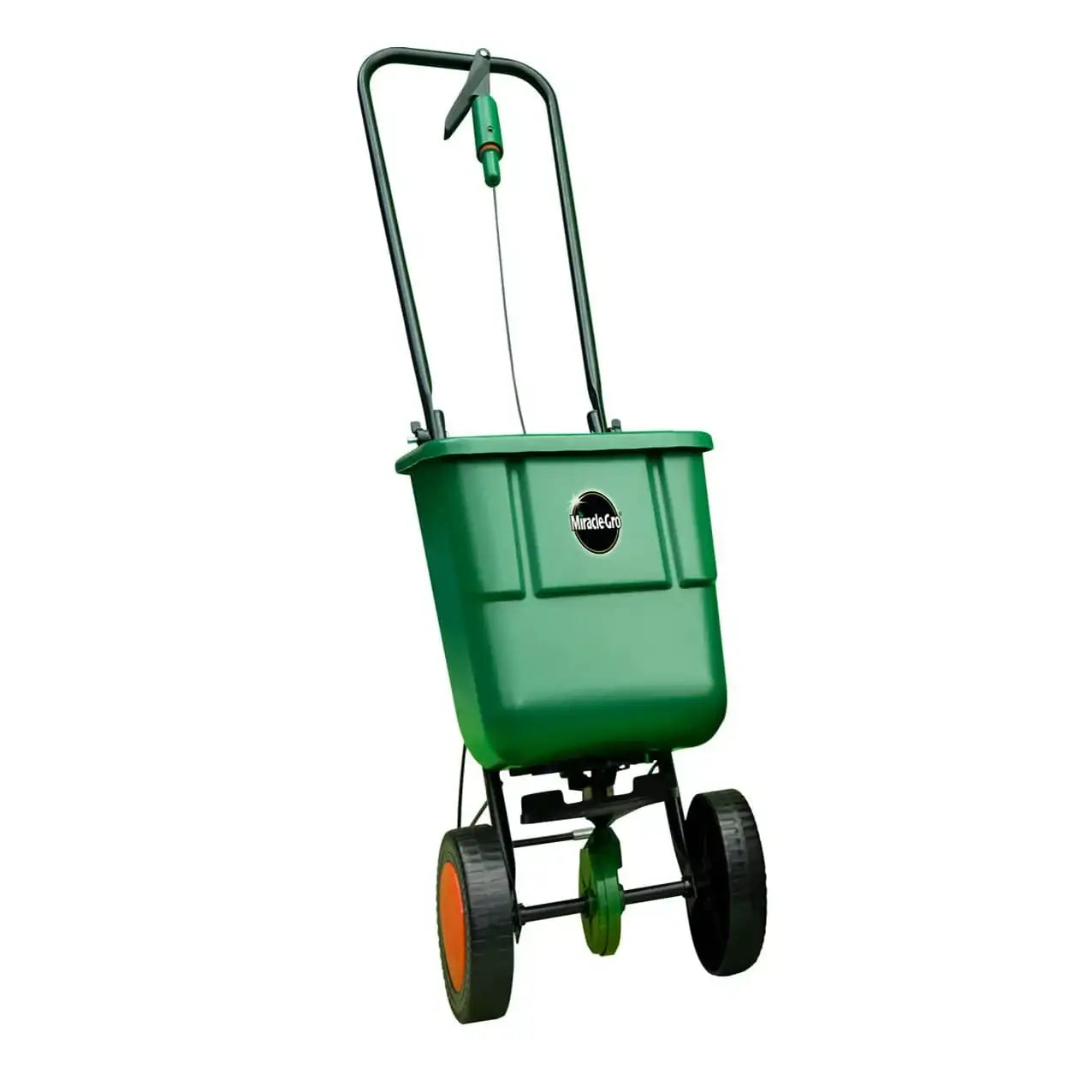
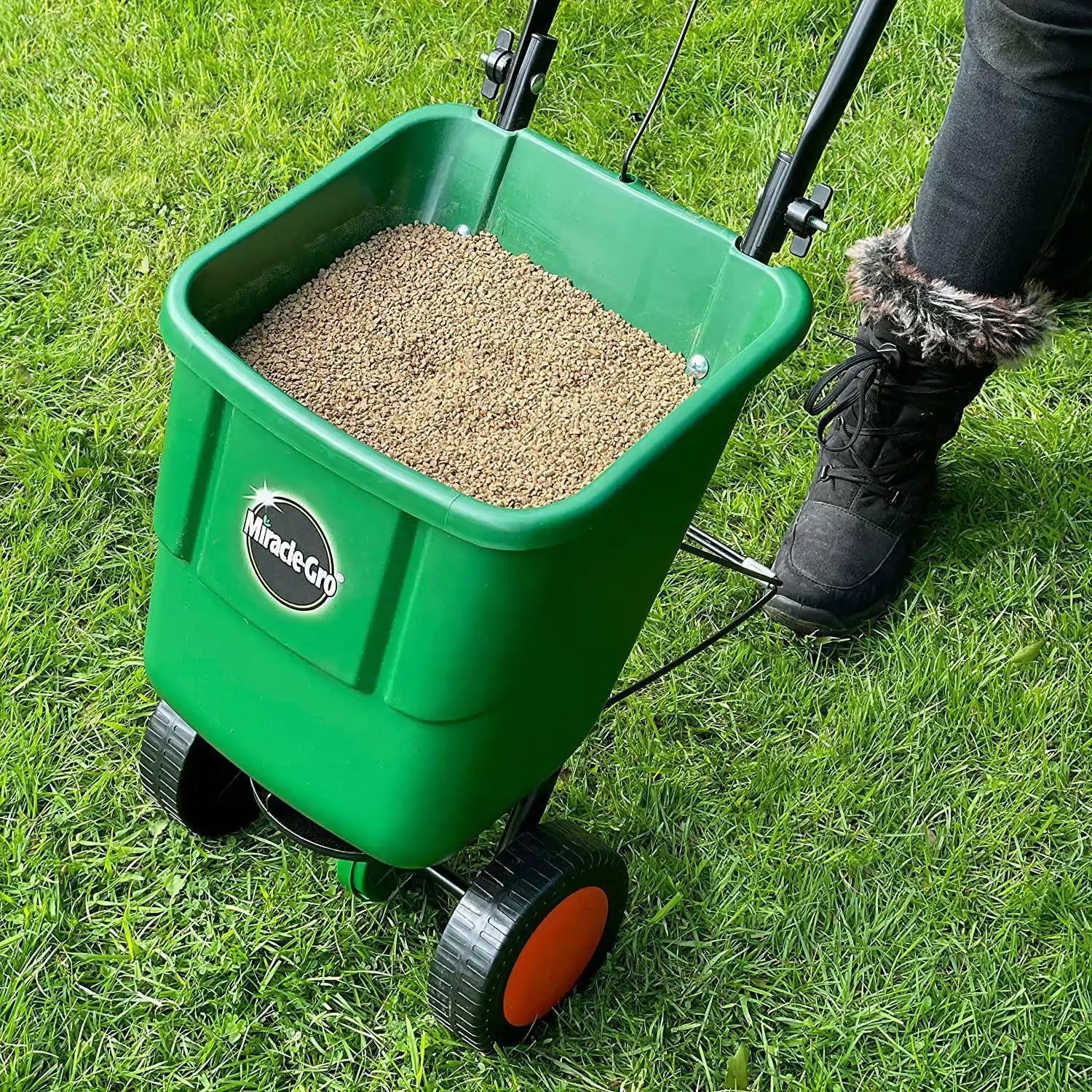
Broadcast Spreaders (Rotary Spreaders): These spreaders distribute material in a wide arc, making them ideal for large lawns or areas that need coverage quickly. Broadcast spreaders work by spinning the material from a rotating disc, scattering it evenly across the lawn. They are excellent for applying fertilizer, grass seed, and granular treatments.
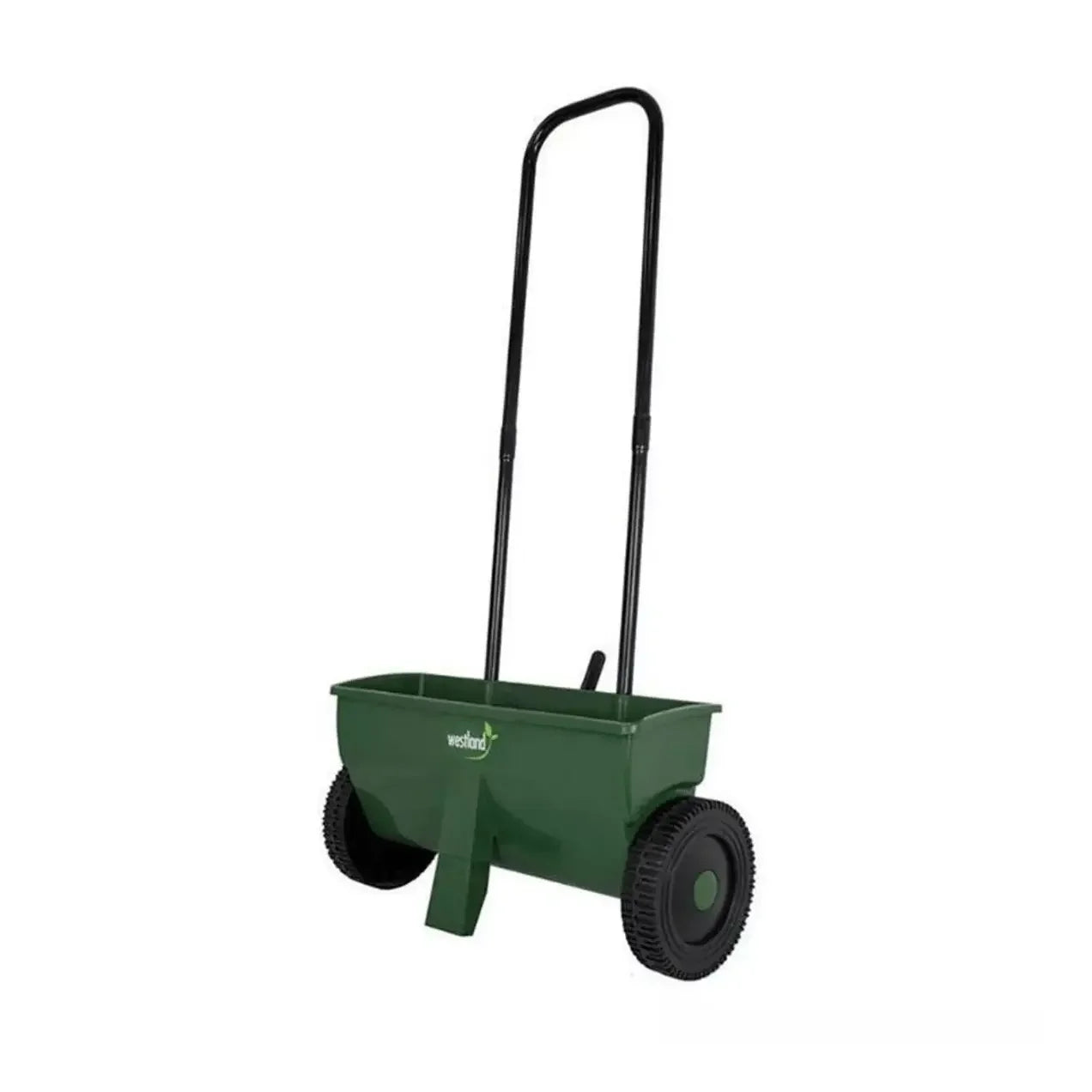
Drop Spreaders: Drop spreaders release material directly beneath the spreader in a controlled, straight line. This makes them perfect for more precise applications, such as edging and fertilizing small or narrow areas. Drop spreaders are great for ensuring that the material is spread exactly where you want it, reducing the risk of over-application.
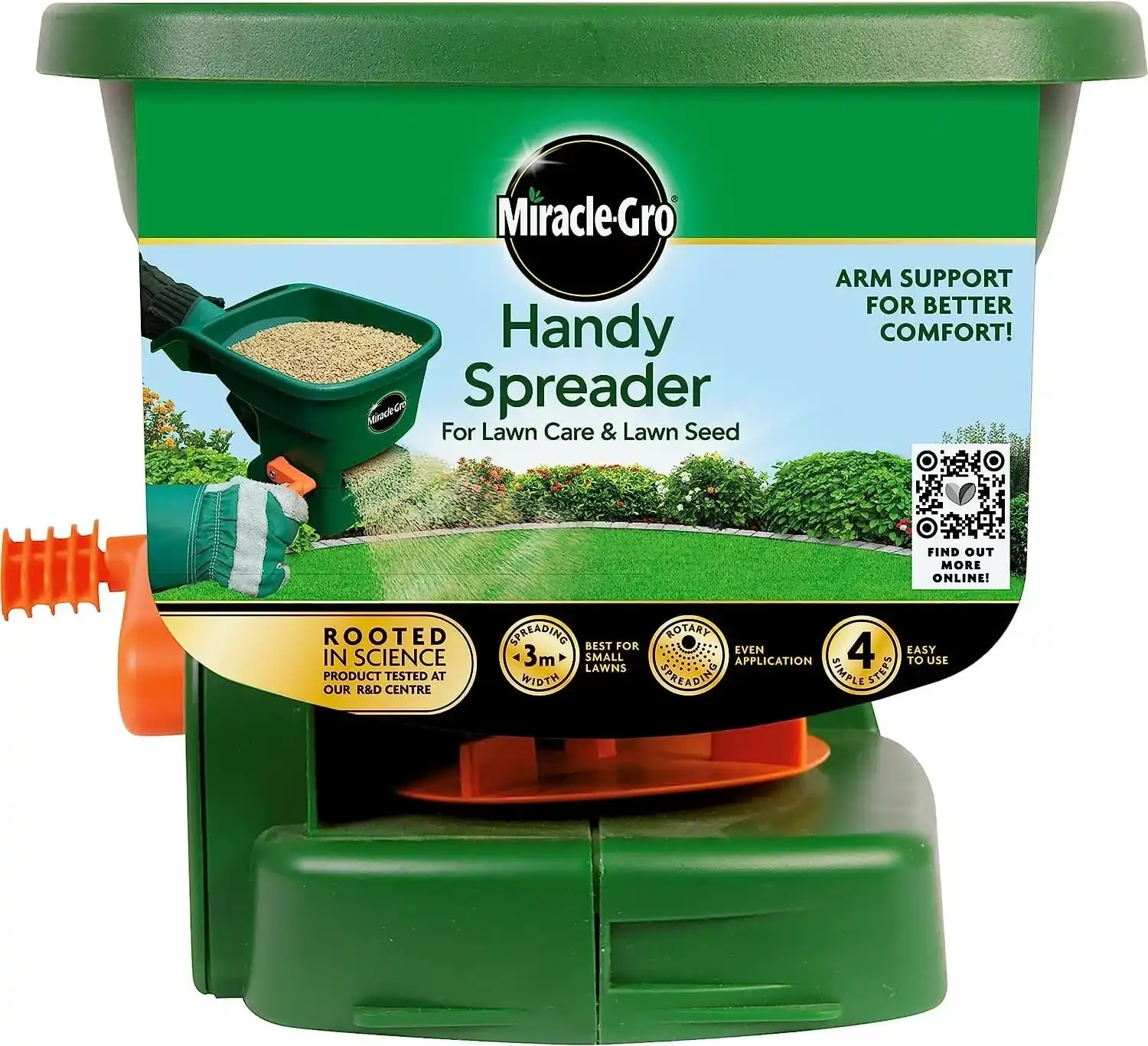
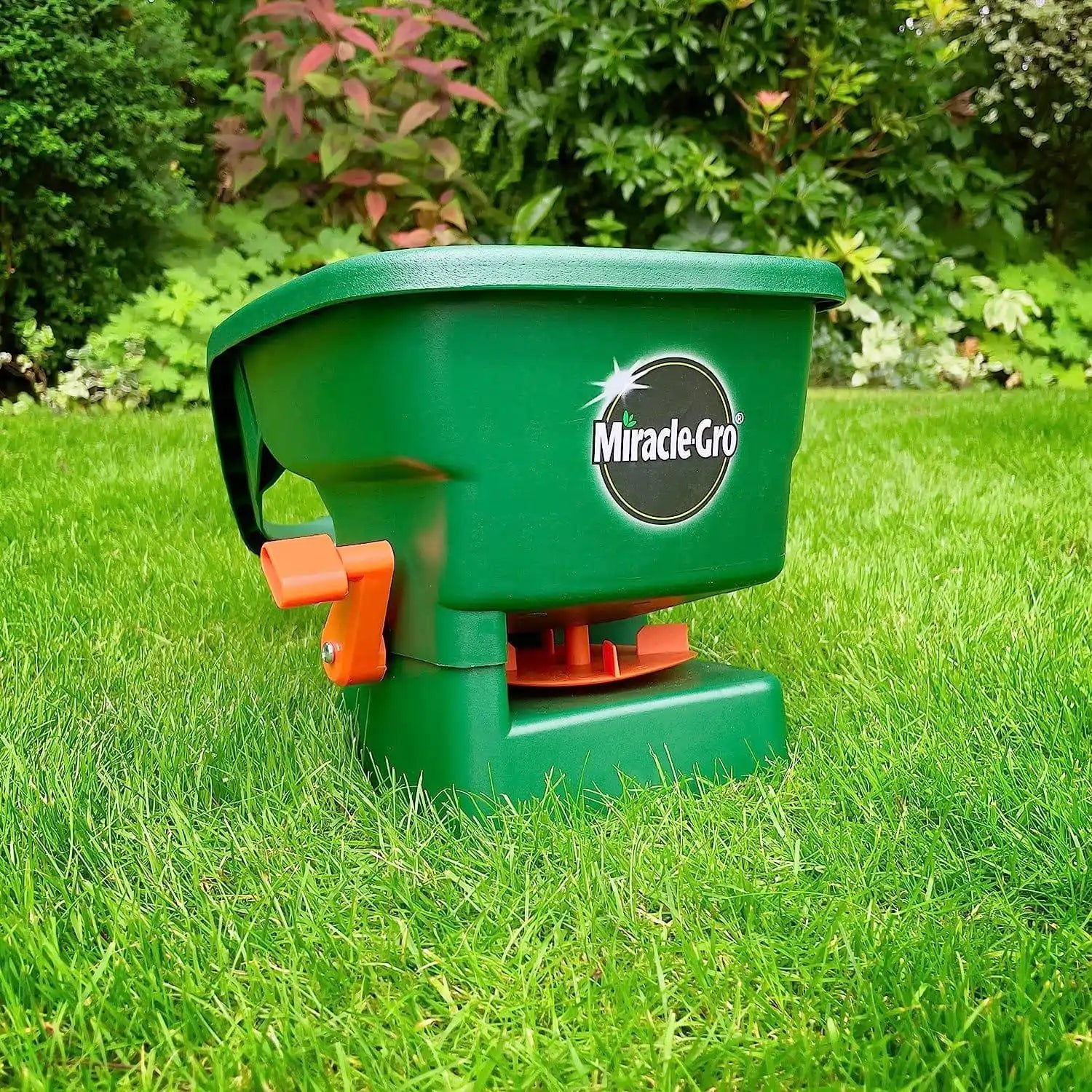
Handheld Spreaders: These smaller, manual spreaders are ideal for small lawns or for spot treatments. They are easy to use and provide good control for small areas or specific spots that need extra attention.
Lawn Seeder Spreaders: A lawn seeder spreader is a specialized type of spreader used primarily for planting grass seed. It distributes the seed evenly and ensures proper seed-to-soil contact, which is essential for successful germination.
Benefits of Using a Lawn Spreader
Even Application: One of the biggest advantages of using a lawn spreader is that it ensures an even distribution of products like grass seed, fertilizer, or pesticides. Uneven application can lead to patchy growth, burn spots, or wasted product.
Efficiency: Lawn spreaders make the application process quicker and easier, especially when covering large areas. They save you time and energy compared to spreading products by hand.
Cost-Effective: By applying products evenly, you avoid overuse, which can lead to unnecessary costs. Using a spreader ensures that you use just the right amount of fertilizer, seed, or treatment, helping to maximize the effectiveness of the product.
Reduced Waste: With the precise control offered by a spreader, you reduce the risk of over-spreading, which can lead to wasted products. This is especially important when using expensive lawn care products like fertilizers or seed treatments.
How to Use a Lawn Spreader
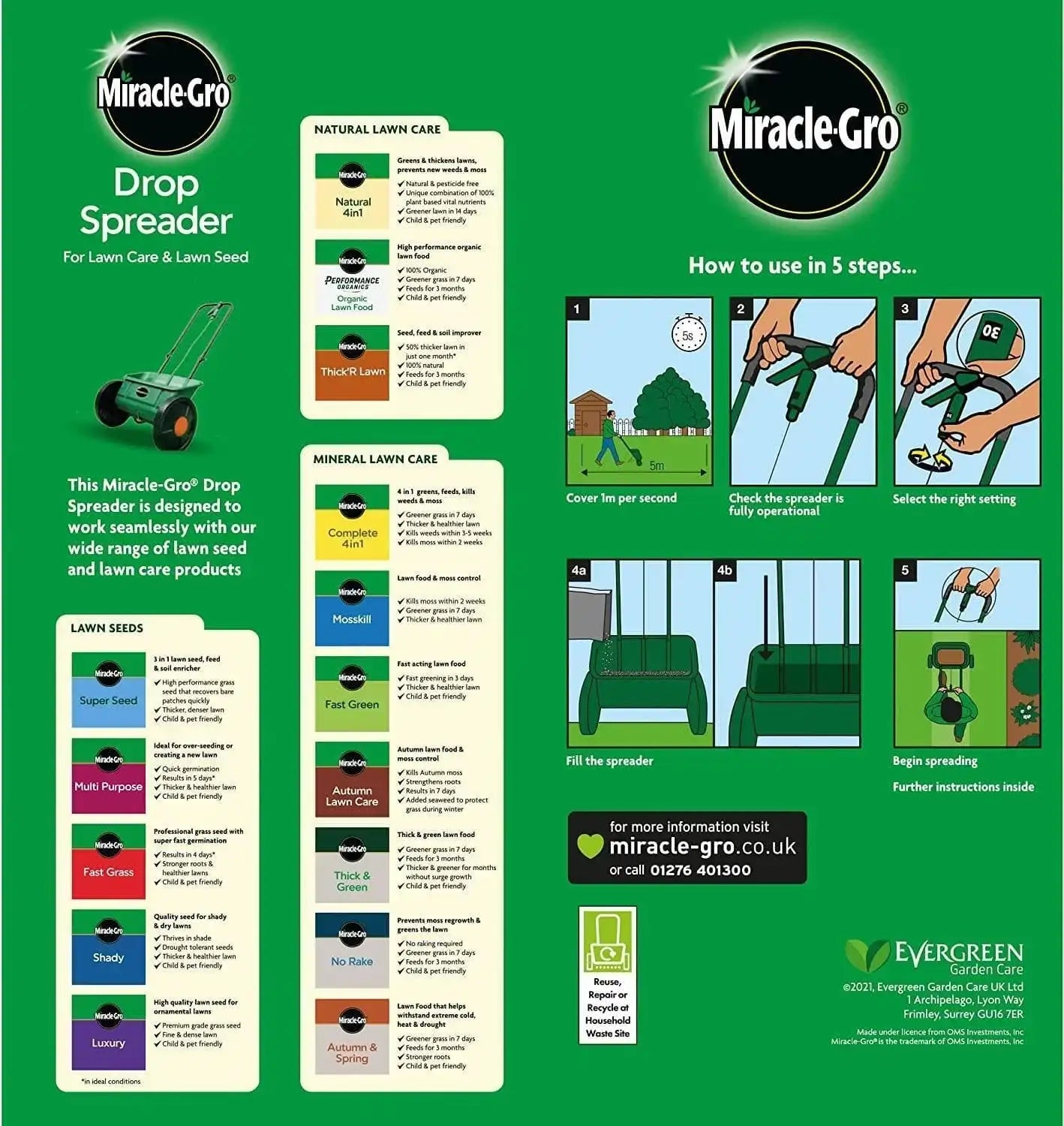
Fill the Spreader: Start by filling your spreader with the product you wish to apply. Whether it's grass seed, fertilizer, or a lawn treatment, make sure to use the correct product for your lawn type and condition. Always check the manufacturer's instructions for the recommended application rate.
Set the Spread Rate: Most lawn spreaders allow you to adjust the spread rate, which is the amount of material released per square foot. Follow the recommended settings on the product label for even distribution and to avoid over-applying.
Push or Pull the Spreader: Depending on the type of spreader, you’ll either push or pull it across your lawn. For broadcast spreaders, walk at a steady pace to allow the material to be evenly distributed. For drop spreaders, make sure to overlap slightly with each pass to avoid missed spots.
Apply in Multiple Passes: For the most even coverage, apply the product in two passes—one in a north-south direction and another in an east-west direction. This crisscross pattern ensures that the material is spread evenly across the entire lawn.
Water the Lawn: After applying grass seed or fertilizer, water the lawn thoroughly to help the product settle and activate. This is especially important for grass seed, as it needs moisture to germinate.
Using a Spreader for Lawn Moss Control
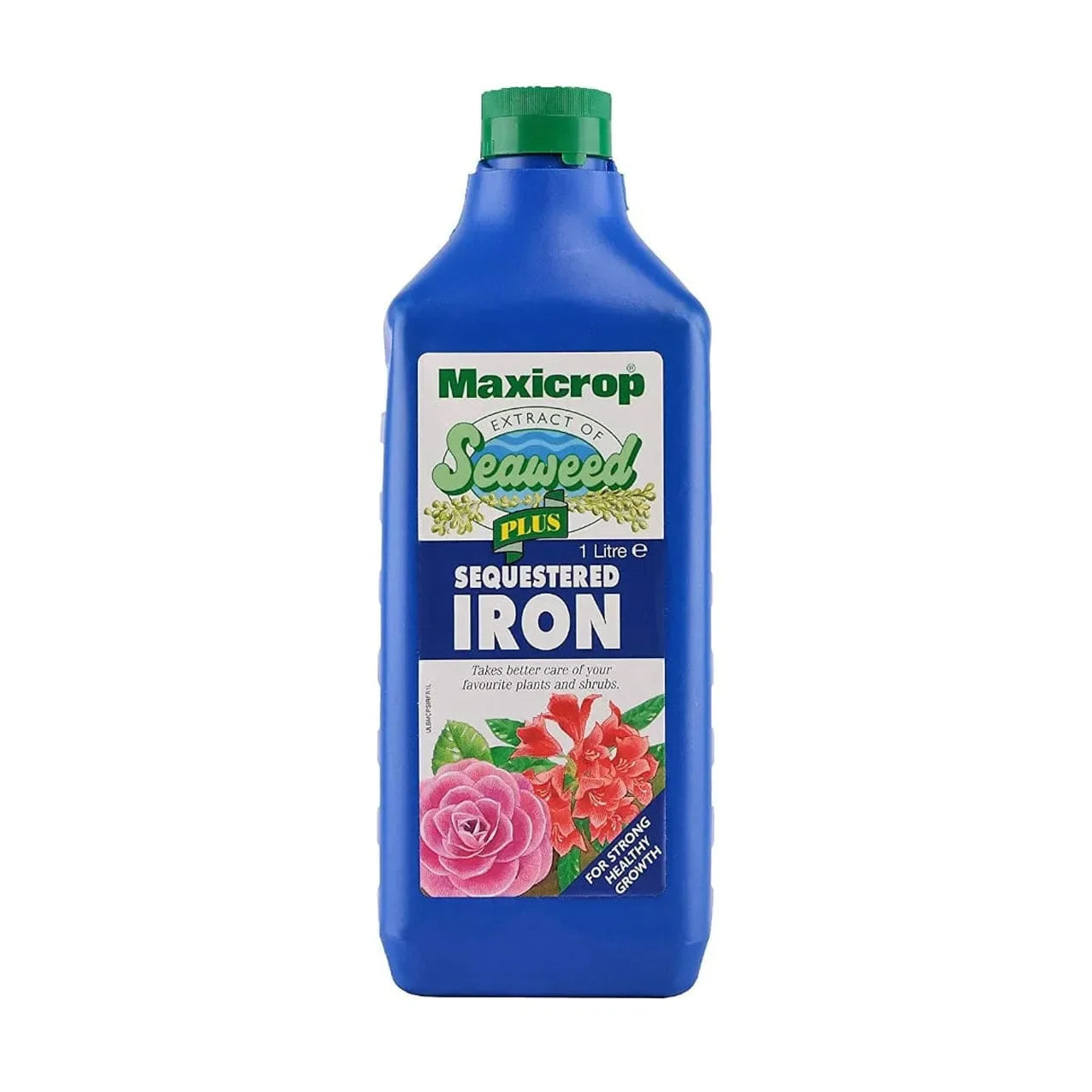
A lawn spreader is also an excellent tool for applying moss control products. Moss can become a problem in lawns that are poorly drained or have low fertility, so applying a moss control treatment is essential for keeping your lawn healthy. Some products, like iron sulfate or specialized moss killers, can be applied using a spreader for even coverage. Check the product instructions for the best spreader settings and application techniques.
FAQs
What is the difference between a broadcast spreader and a drop spreader?
A broadcast spreader disperses material in a wide arc, making it ideal for large areas. A drop spreader, on the other hand, distributes material in a controlled, straight line, making it more precise and ideal for smaller areas or edging.
Can I use a lawn spreader for both fertilizer and grass seed?
Yes, most lawn spreaders can be used for both fertilizer and grass seed. However, you may need to adjust the spread rate depending on the product to ensure proper application.
How often should I aerate and fertilize my lawn?
Lawn aeration should be done once a year, preferably in the spring or fall. Fertilizing is typically done 2-4 times a year, depending on your grass type and local climate.
Are handheld spreaders effective for large lawns?
Handheld spreaders are best suited for small lawns or spot treatments. For larger lawns, a broadcast or walk-behind spreader is more efficient and provides better coverage.
How do I clean and maintain my lawn spreader?
After each use, clean the spreader thoroughly to remove any residual fertilizer, seed, or chemicals. Store it in a dry place to prevent rust and damage. If you’re using a motorized spreader, make sure to check and maintain the battery and moving parts.