


Organic & Peat Free Compost
Organic & Peat Free Compost
 SALE
SALE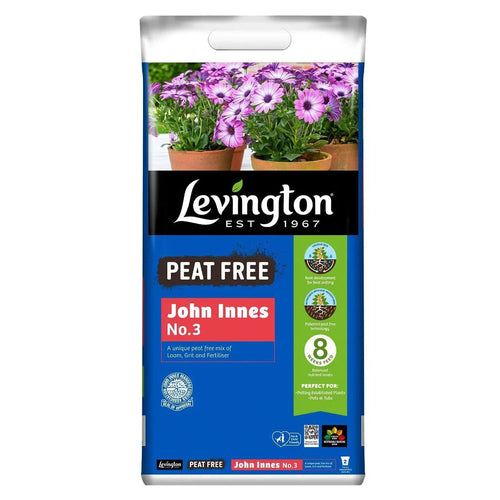
 SALE
SALE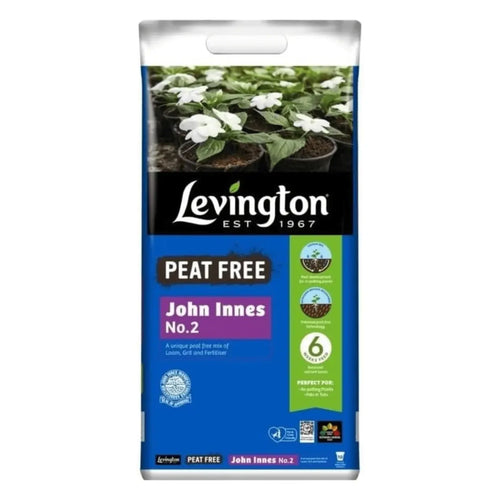
 SALE
SALE
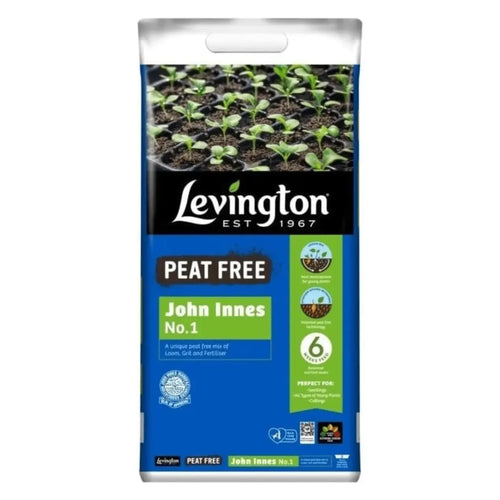
As sustainability continues to be a major focus in gardening, many gardeners are turning to organic and peat-free compost to enrich their soil without harming the environment. Organic peat-free compost is made from natural materials and offers a more eco-friendly alternative to traditional peat-based compost.
What is Organic & Peat Free Compost?
Organic peat-free compost is a type of compost that is made without peat, a material that is traditionally used in many compost blends. Peat is harvested from wetlands, and its extraction can have a significant negative impact on the environment, including the destruction of valuable ecosystems. Organic peat-free compost uses alternative materials such as wood chips, composted bark, coir (coconut husks), and other organic matter that provide similar benefits for plant growth but without the environmental harm caused by peat extraction.
This type of compost is rich in organic matter and helps improve soil structure, enhance moisture retention, and promote healthy root development in plants. It’s an excellent choice for both indoor and outdoor gardens, as well as for sustainable farming practices.
Why Choose Organic Peat-Free Compost?
Environmentally Friendly: One of the biggest reasons to choose organic peat-free compost is the environmental benefit. Peat is a non-renewable resource, and its extraction depletes natural habitats and contributes to carbon emissions. By choosing peat-free options, you’re supporting a more sustainable gardening practice that helps protect the environment.
Rich in Nutrients: Organic peat-free compost is rich in nutrients that promote healthy plant growth. The organic materials used in these composts break down over time, releasing essential nutrients such as nitrogen, phosphorus, and potassium. This allows your plants to grow stronger and healthier.
Improved Soil Structure: Organic and peat-free compost helps to improve the structure of the soil, making it more porous and allowing for better drainage and root penetration. This is essential for plants that need good air circulation around their roots to thrive.
Water Retention: Peat-free composts retain moisture effectively, which is particularly beneficial in dry conditions. The organic matter in these composts helps to maintain consistent soil moisture levels, ensuring plants have access to water during dry spells.
Supports Biodiversity: By using organic materials, peat-free compost encourages the growth of beneficial microorganisms and earthworms in the soil, which can help break down organic matter and improve soil health. These organisms contribute to a thriving garden ecosystem.
Best Organic Peat-Free Compost: What to Look For
When choosing the best organic peat-free compost, here are a few factors to consider:
High-Quality Organic Ingredients: The best organic peat-free compost should be made from high-quality organic materials like composted bark, coir, or green waste. These ingredients should be well-composted and free from synthetic chemicals or fertilizers.
Good Drainage: Look for a peat-free compost that provides good drainage while still retaining enough moisture for plant growth. This balance is especially important for plants grown in containers or pots.
Nutrient-Rich: The compost should provide the necessary nutrients for plant health, including nitrogen, phosphorus, and potassium. It may also include added minerals or trace elements that support plant development.
pH Balanced: Organic peat-free compost should have a balanced pH that is suitable for a wide range of plants. Most plants prefer slightly acidic to neutral soil, so choose compost with a pH in that range unless you’re growing plants that require specific conditions.
Certified Organic: If you're looking for an eco-friendly and sustainable product, choose compost that is certified organic. This ensures that the compost has been made from natural materials without the use of synthetic pesticides, herbicides, or chemical fertilizers.
Organic Peat-Free Compost in the UK
In the UK, there are several high-quality brands offering organic peat-free compost. These brands use a variety of natural ingredients, such as coir, bark, wood fibers, and green waste, to create nutrient-rich compost that is perfect for growing all types of plants. Many of these products are also certified organic, ensuring that you’re choosing an environmentally sustainable option.
By opting for organic peat-free compost in the UK, you are contributing to the reduction of peat extraction and supporting more sustainable gardening practices. Whether you're growing flowers, vegetables, or indoor plants, peat-free compost provides an excellent growing medium that nurtures plants and the planet.
Benefits of Using for Your Garden
Sustainability: By avoiding the use of peat, organic peat-free compost helps preserve wetlands and protect biodiversity, contributing to a healthier planet.
Soil Health: Organic peat-free compost improves soil structure, making it lighter, airier, and more conducive to healthy root growth.
Plant Growth: The organic matter in peat-free compost provides essential nutrients, promoting strong and vibrant plants.
Moisture Retention: Peat-free composts retain moisture effectively, reducing the need for frequent watering, which is especially helpful in dry periods.
FAQs
What is the difference between organic peat-free compost and regular compost?
Organic peat-free compost does not contain peat, which is traditionally used in many compost blends. Instead, it uses alternative materials like coir, bark, and composted green waste. It’s an eco-friendly option that reduces environmental harm caused by peat extraction.
Is organic peat-free compost good for all plants?
Yes, organic peat-free compost is suitable for a wide range of plants, including flowers, vegetables, herbs, and houseplants. It provides the right balance of nutrients, moisture retention, and aeration for most plant types.
Can I use organic peat-free compost for growing vegetables?
Yes, organic peat-free compost is excellent for vegetable gardening. It provides the necessary nutrients and improves soil structure, helping vegetables grow strong and healthy.
Is organic peat-free compost more expensive than regular compost?
Organic peat-free compost can sometimes be slightly more expensive than regular compost due to the higher cost of raw materials and production methods. However, it’s an investment in sustainability and soil health.
Where can I buy organic peat-free compost in the UK?
Organic peat-free compost is widely available in the UK from garden centers, online stores, and organic gardening retailers. Look for reputable brands that offer high-quality, certified organic products.