


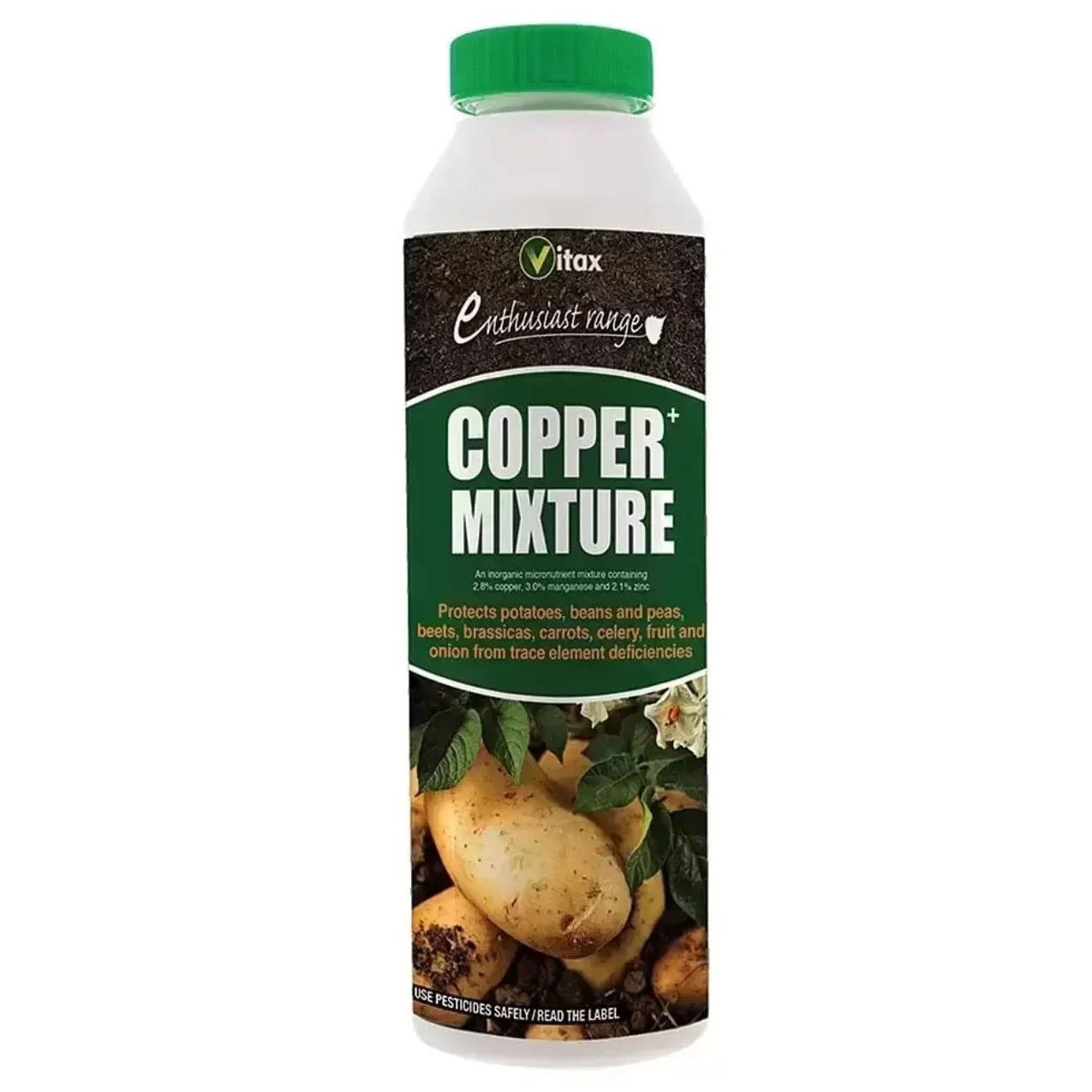
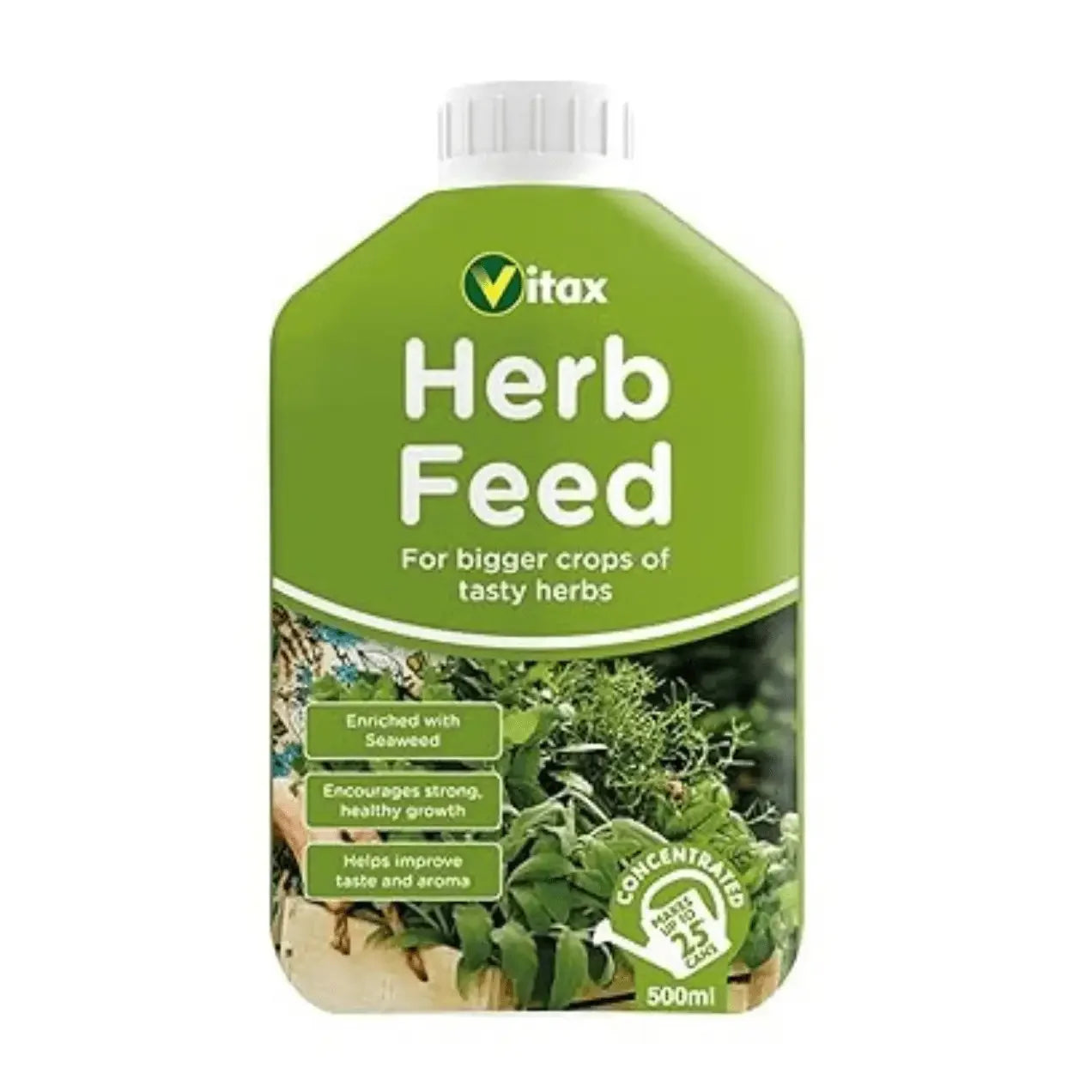

Organic Plant Food
Organic Plant Food
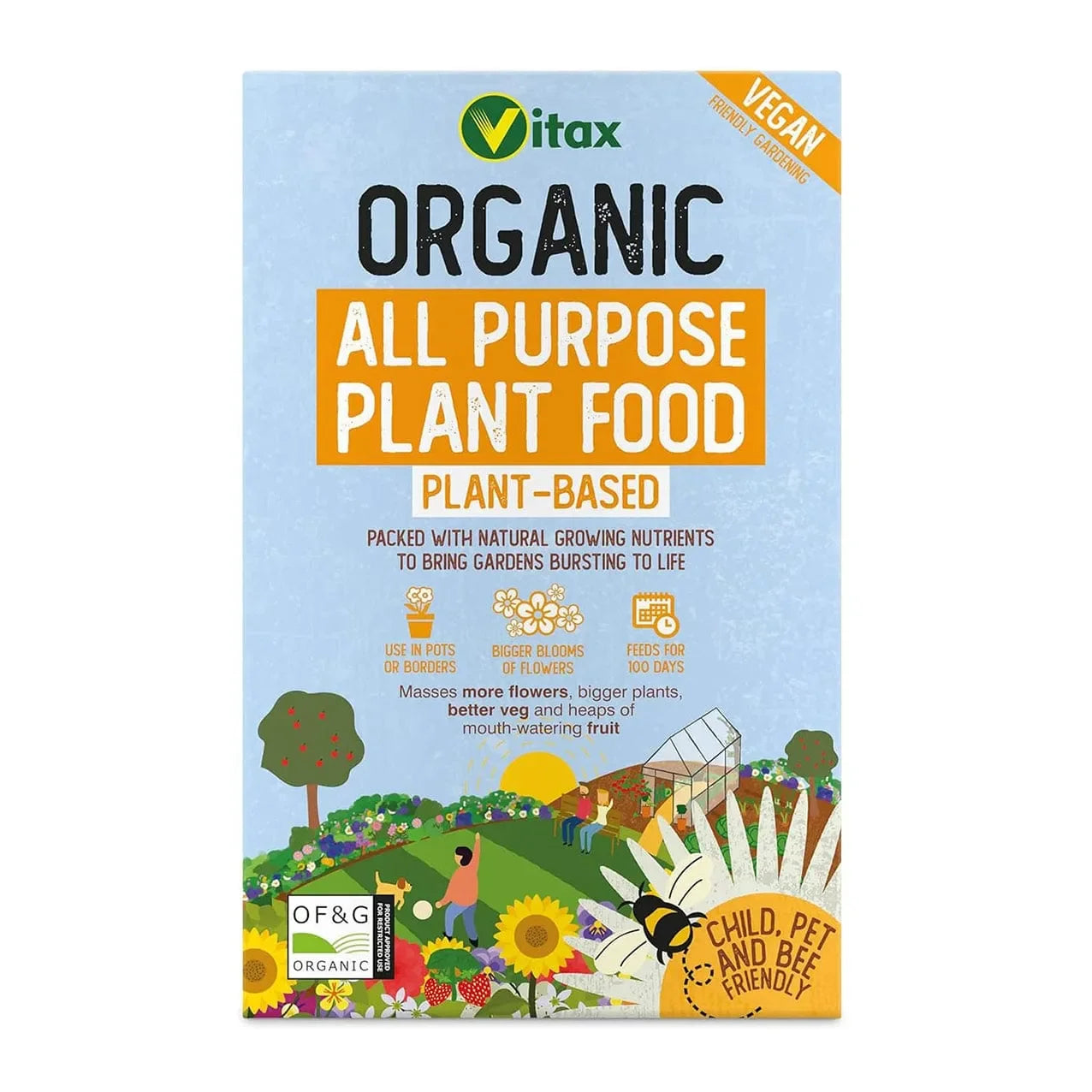
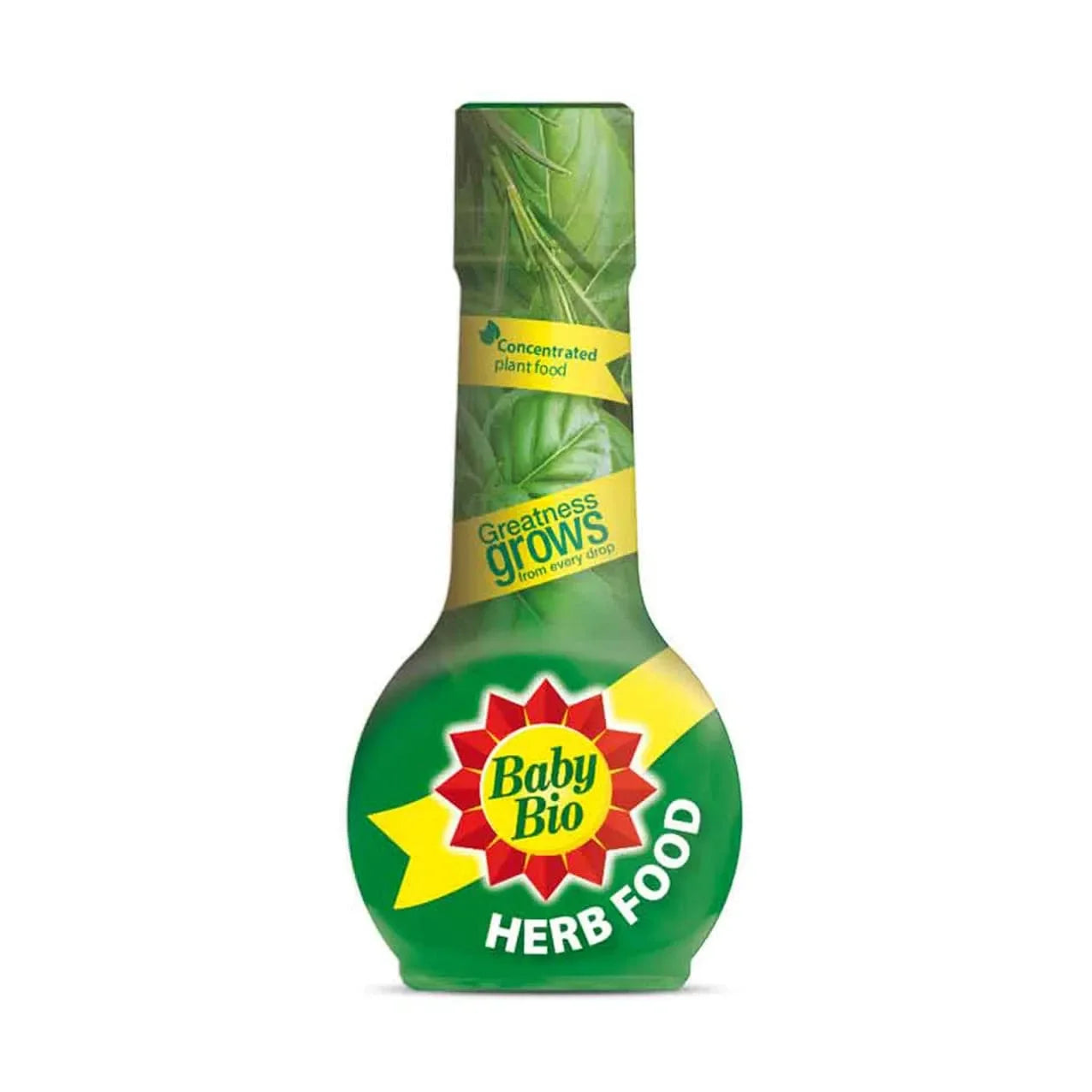
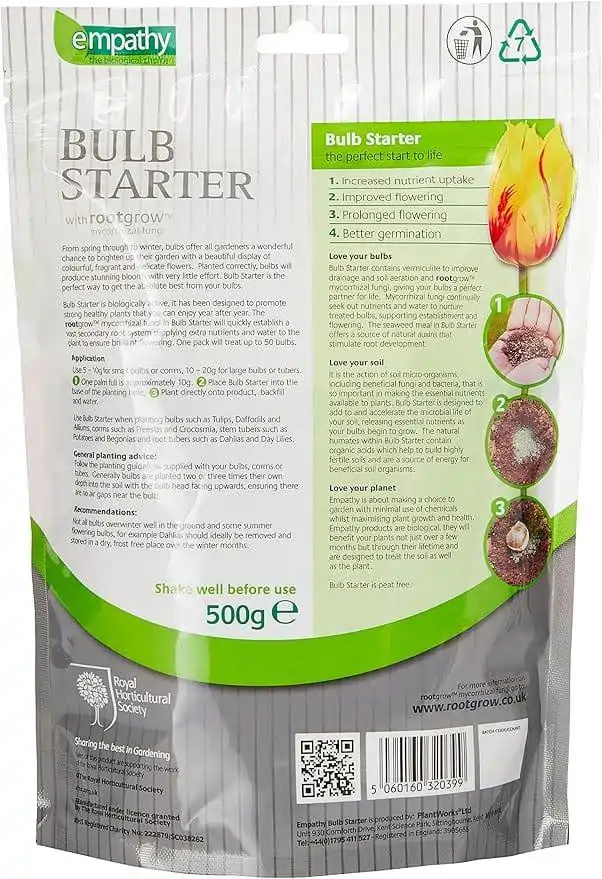
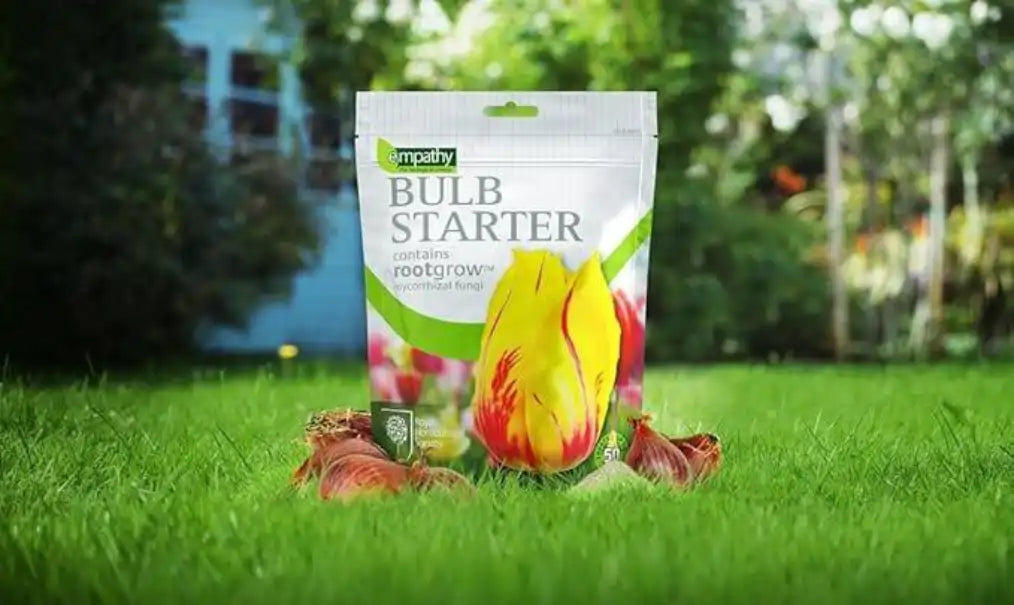
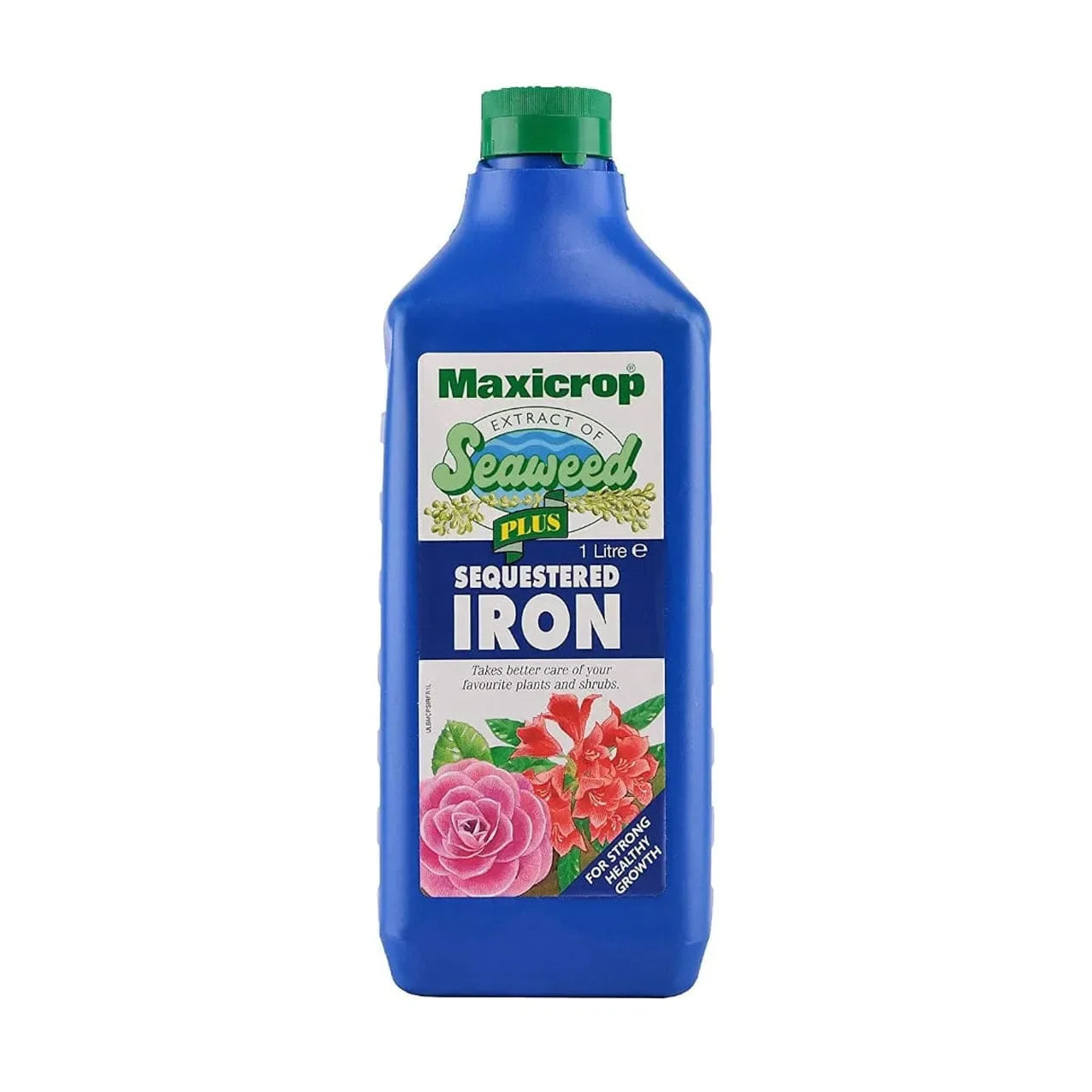
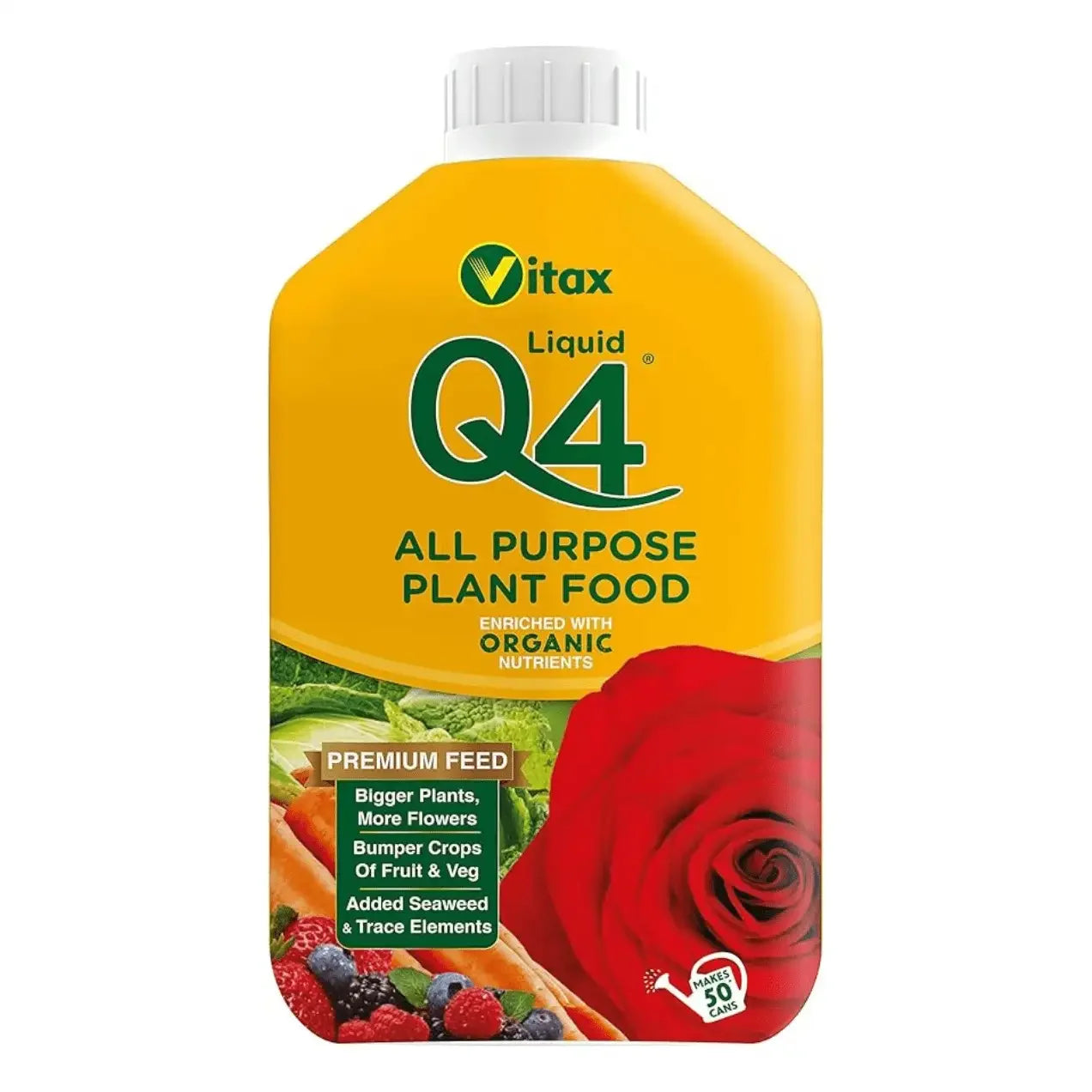
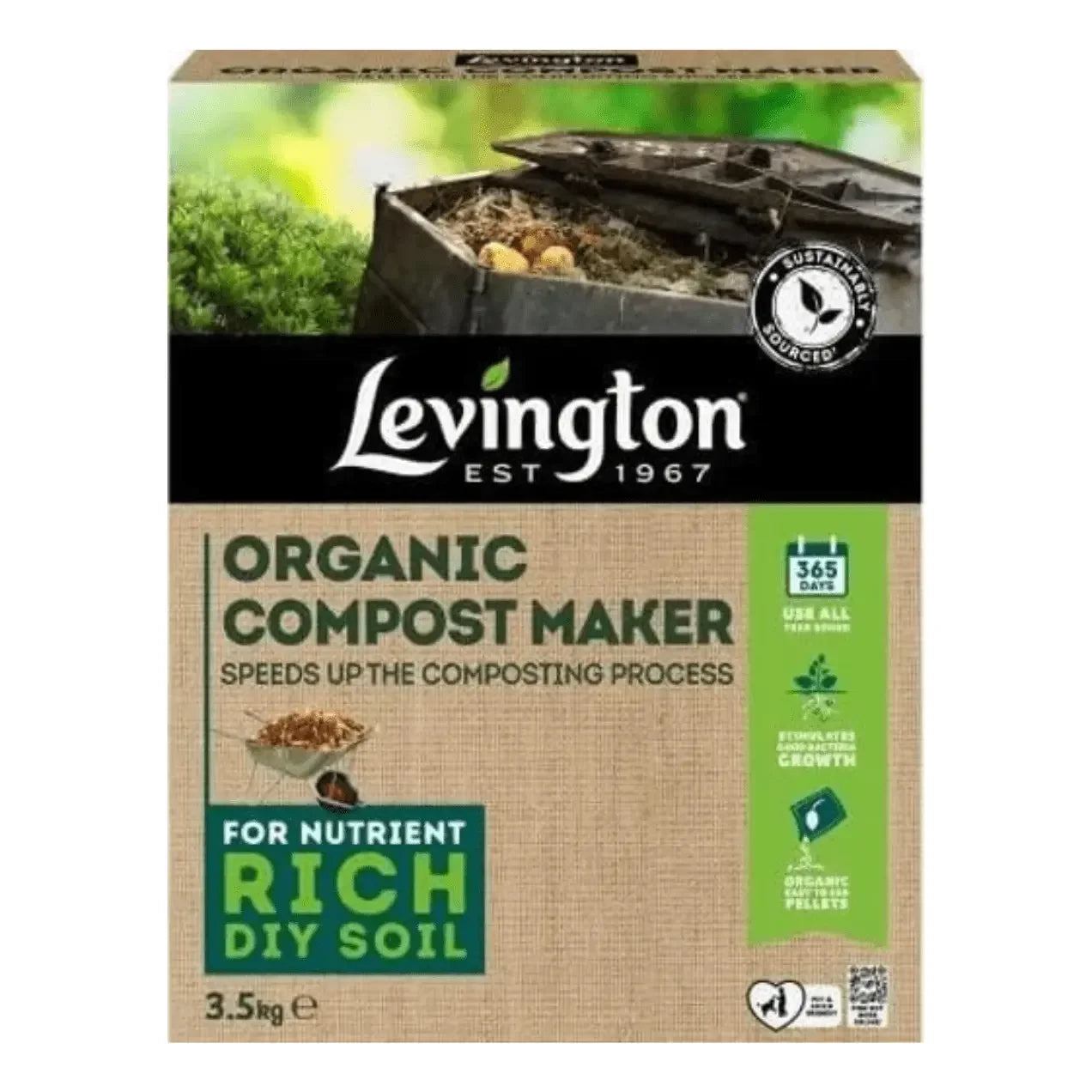
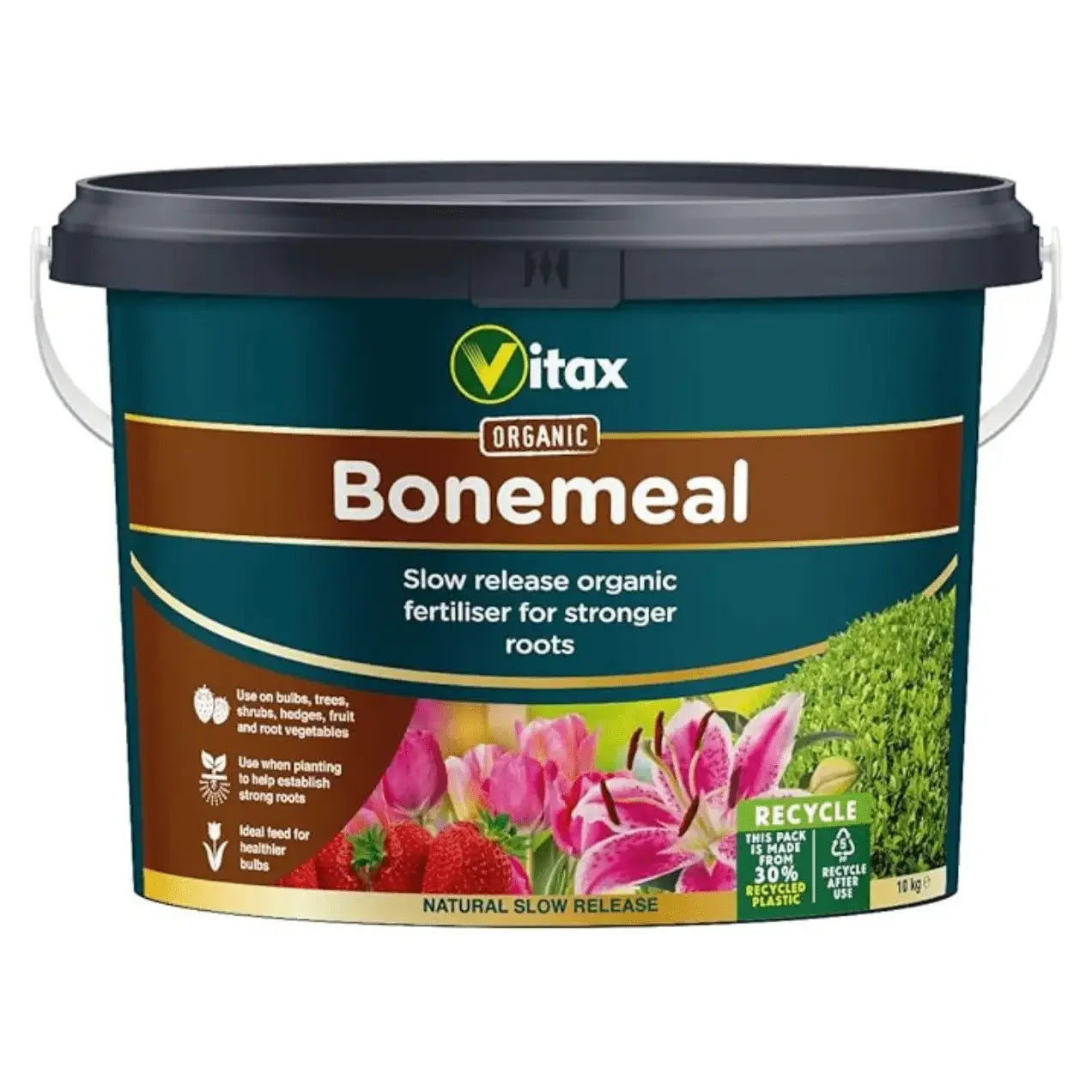
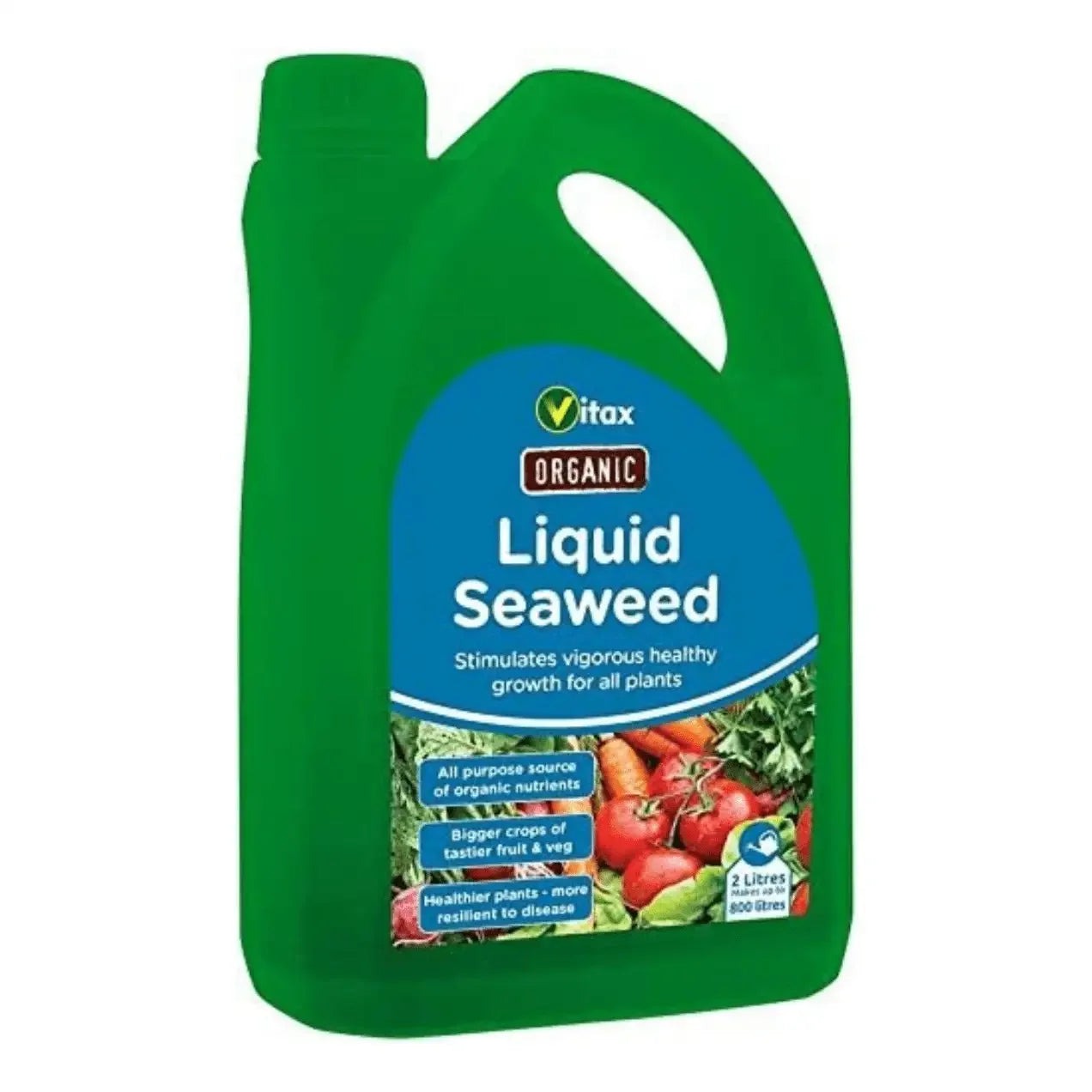
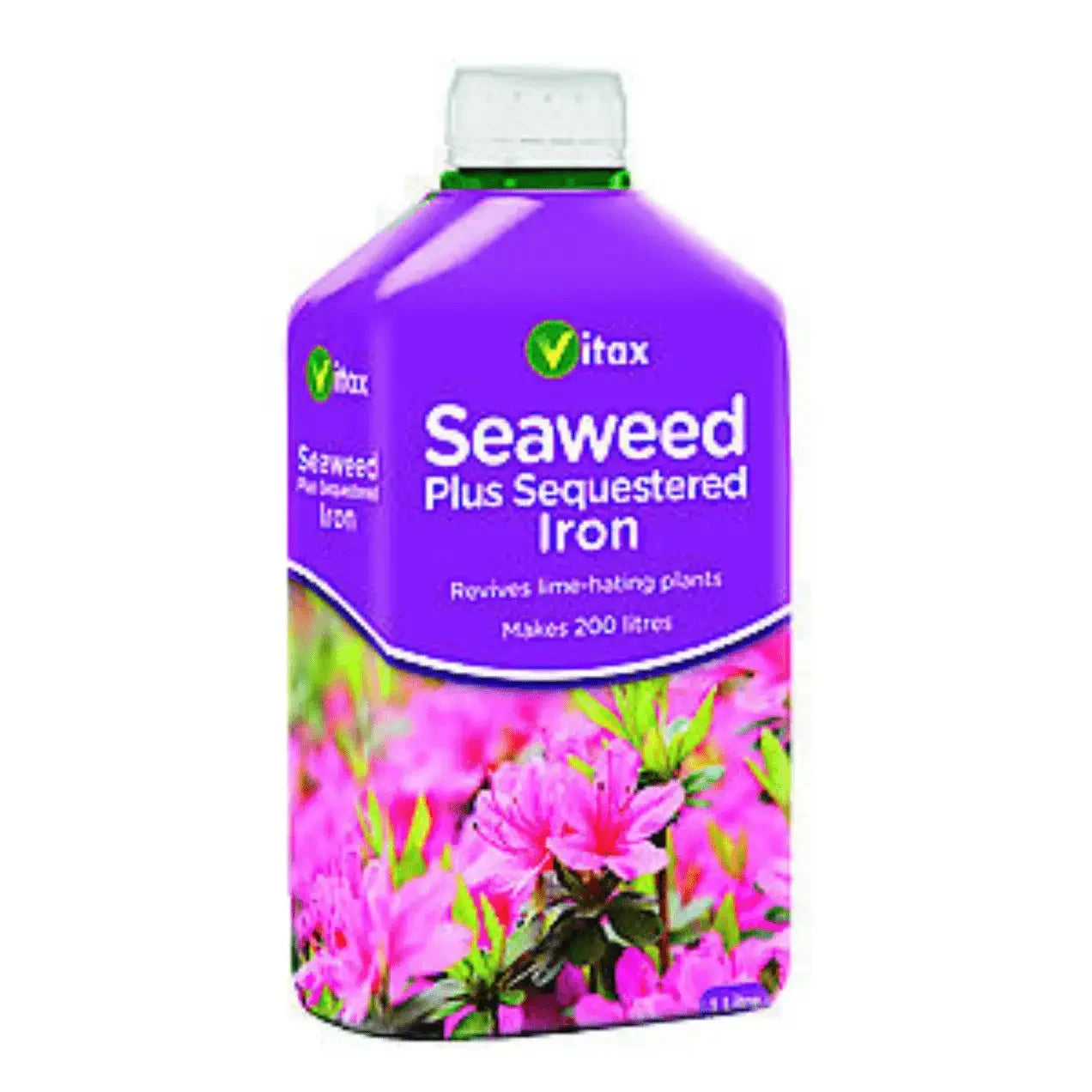
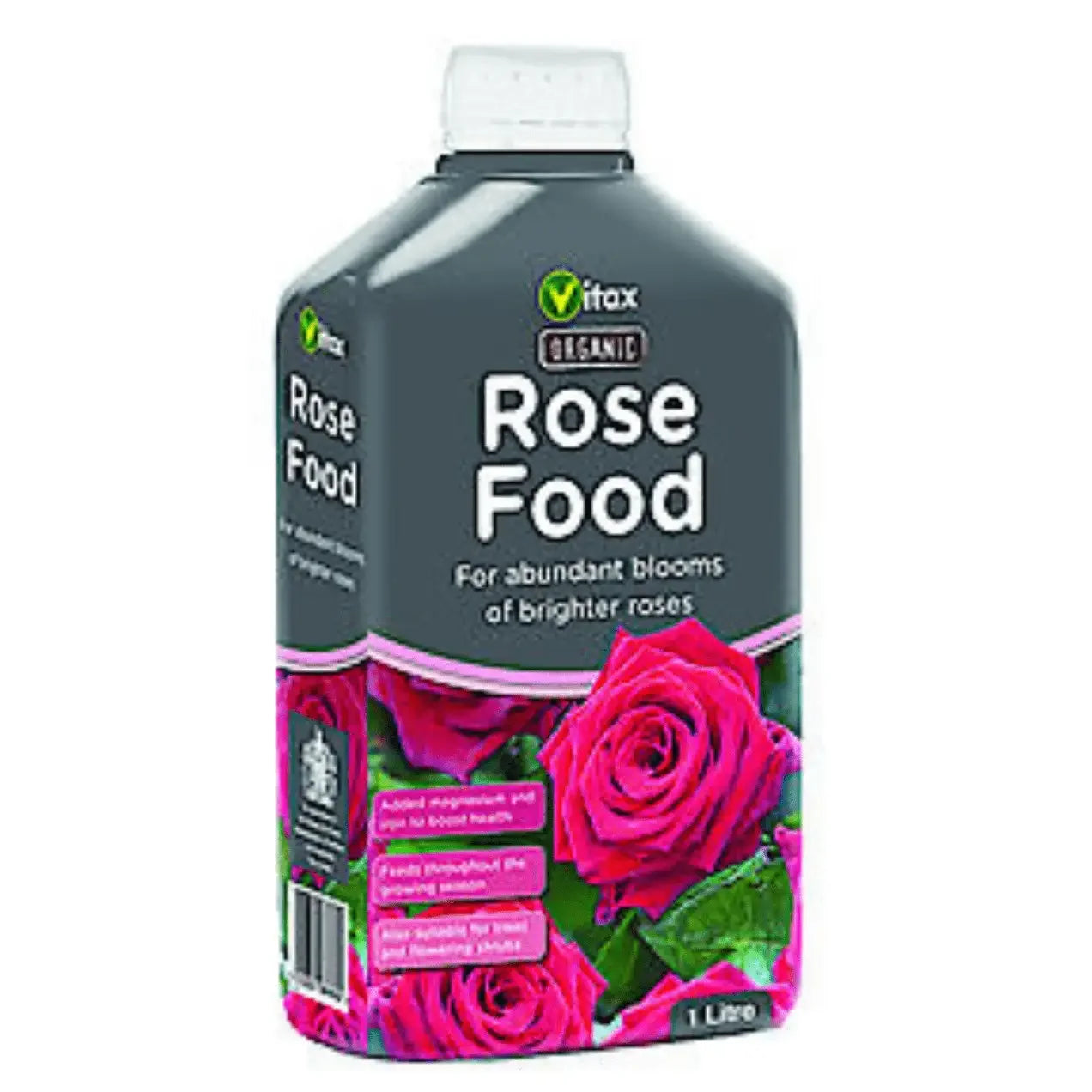
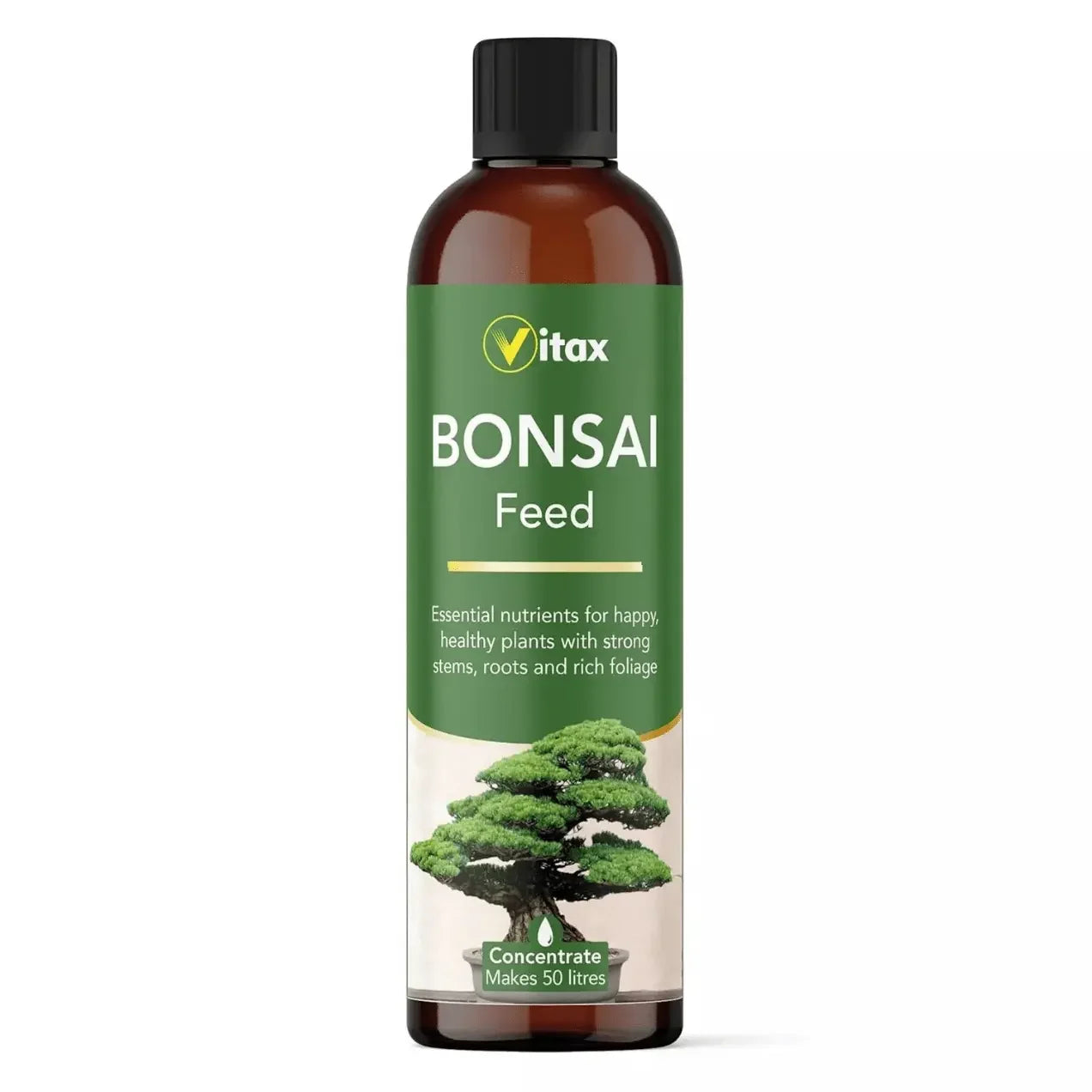
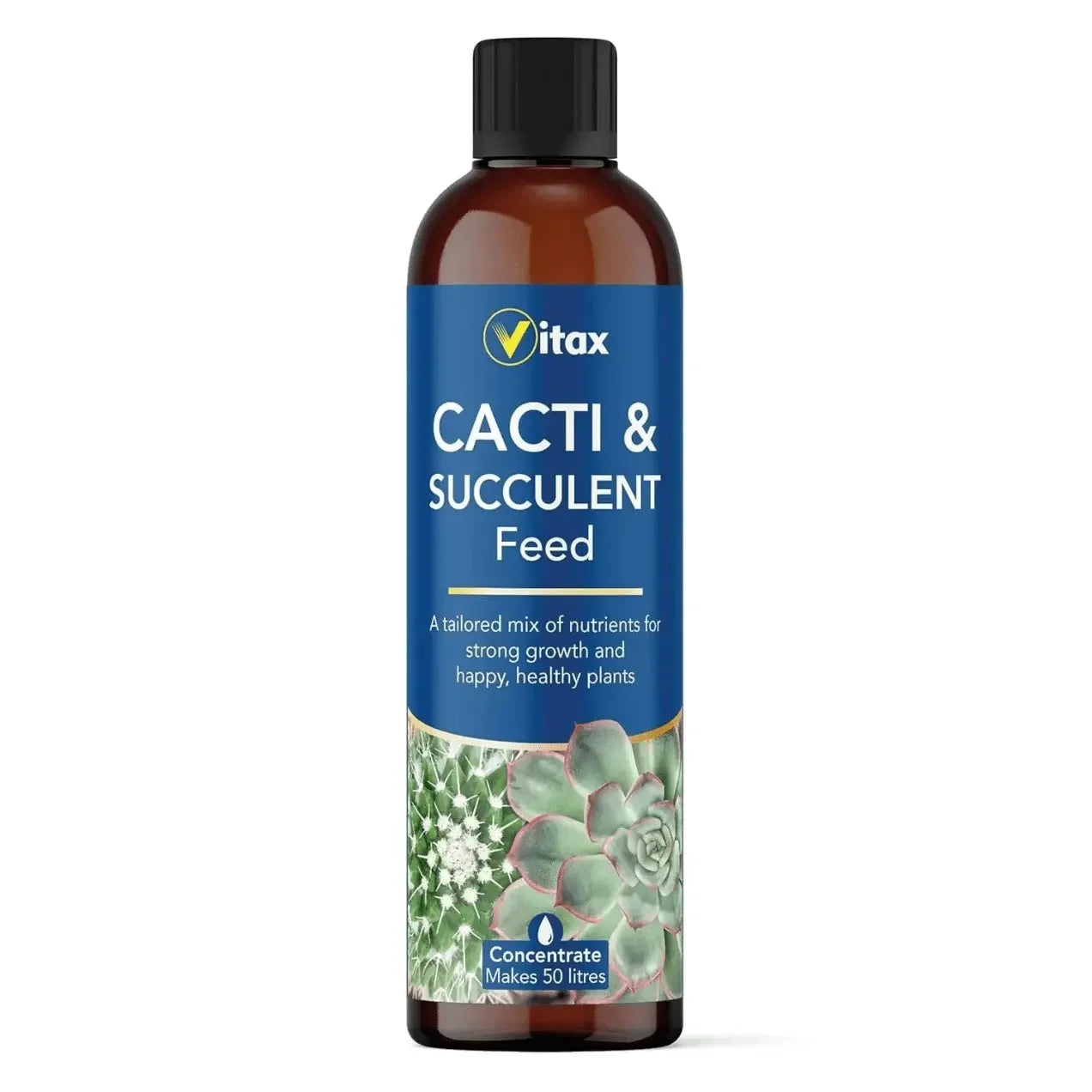
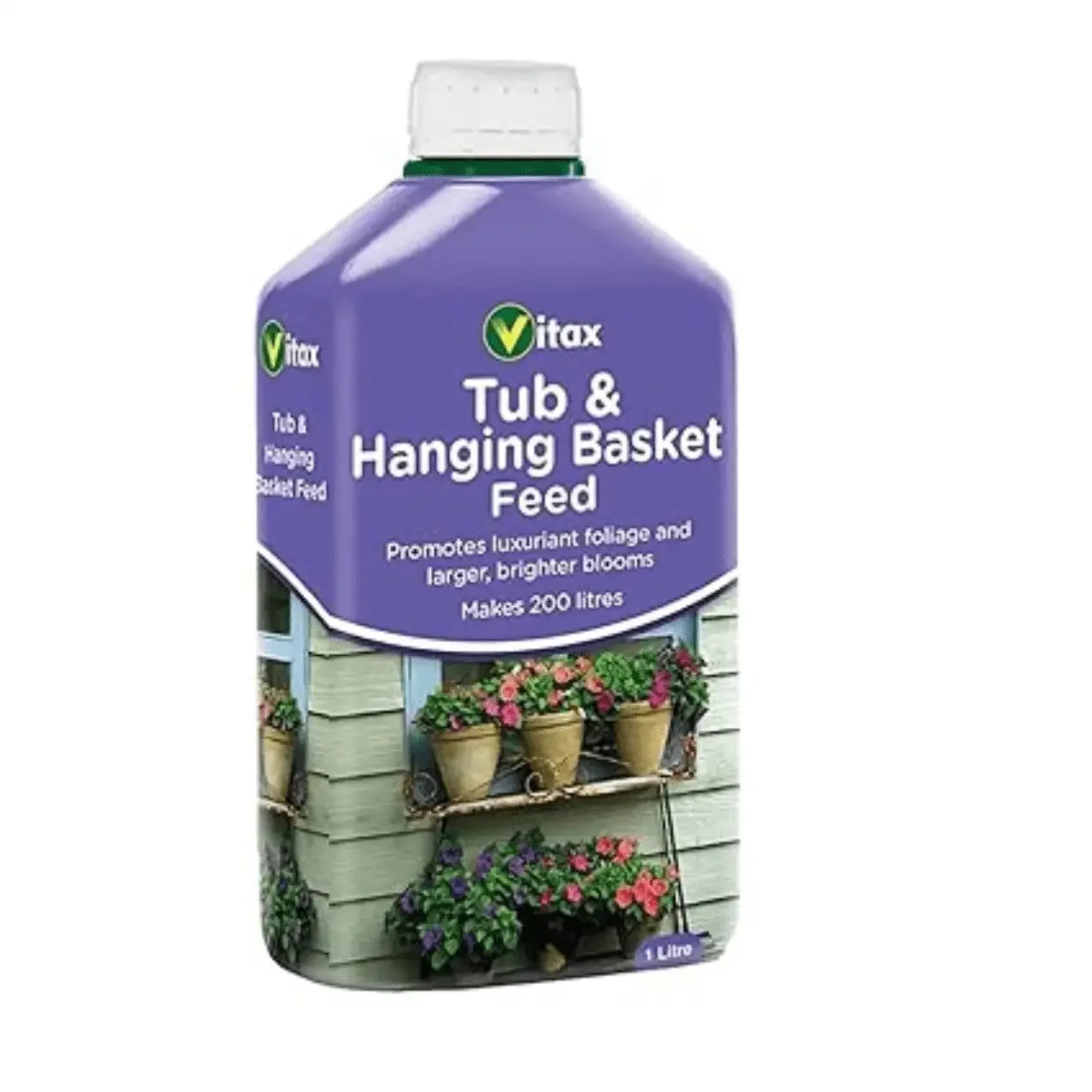
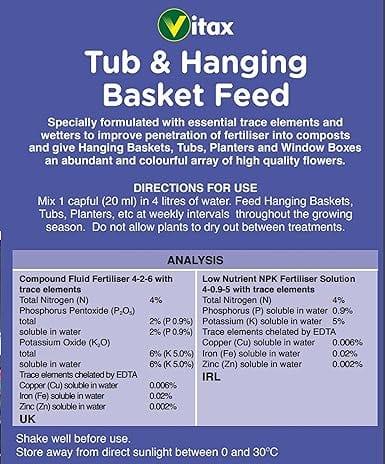
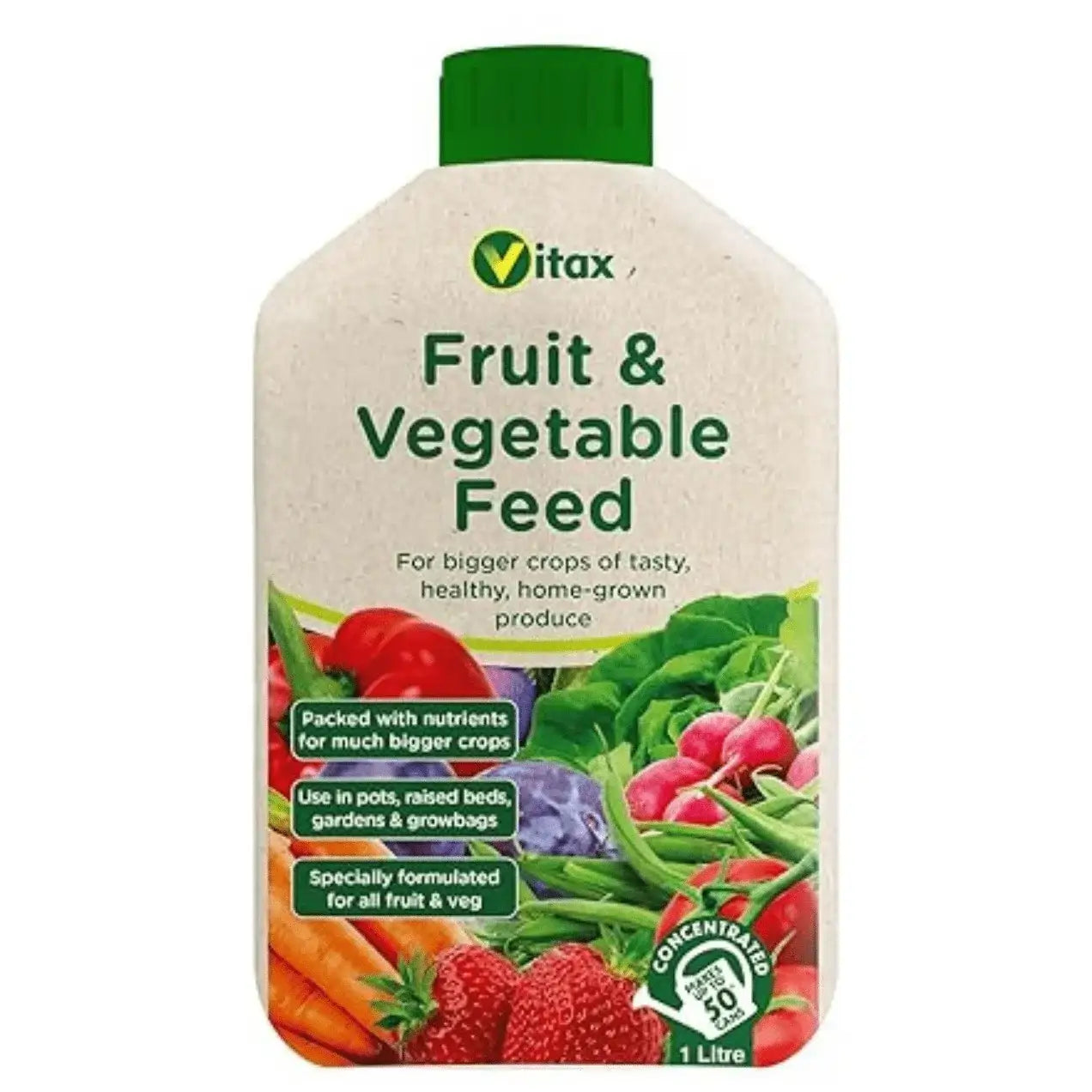
In an age where sustainability and eco-consciousness are at the forefront of gardening practices, organic plant food offers a natural way to nourish your plants while being kind to the environment. Whether you're growing flowers, vegetables, or houseplants, using organic plant food helps improve soil health, promotes vibrant plant growth, and reduces the reliance on synthetic chemicals.
What is Organic Plant Food?
Organic plant food is made from natural ingredients such as compost, animal manure, bone meal, seaweed, and fish emulsion. Unlike synthetic fertilizers, which are chemically processed, organic fertilizers are derived from plant or animal-based materials that release nutrients slowly into the soil, promoting long-term plant health. These organic materials not only provide essential nutrients but also improve soil structure and promote beneficial microbial activity.
Organic plant food typically contains a mix of the primary nutrients (nitrogen, phosphorus, and potassium) as well as secondary nutrients like calcium, magnesium, and sulfur. It also includes micronutrients that plants need in smaller amounts, such as iron, boron, and zinc.
Why Choose Organic Plant Food?
Soil Health: Organic fertilizers improve soil structure, increase water retention, and promote the growth of beneficial soil organisms such as earthworms. Healthy soil is the foundation of a healthy garden, and organic food plants contribute to the long-term vitality of your soil.
Slow-Release Nutrients: Organic plant food breaks down slowly, releasing nutrients over time. This steady nutrient supply ensures plants have access to what they need, helping them grow stronger and healthier without the risk of nutrient burn or overfeeding.
Environmentally Friendly: Organic fertilizers are non-toxic and don’t contribute to pollution or environmental degradation. By using organic plant food, you're avoiding the potential harm of synthetic chemicals that can leach into groundwater and disrupt ecosystems.
Promotes Biodiversity: Organic gardening practices encourage biodiversity in the garden, fostering a healthy balance between plants, insects, and beneficial microorganisms. Organic plant food supports this harmonious relationship by promoting natural processes in the soil.
Healthier Plants: Plants grown with organic fertilizers tend to be more resistant to pests, diseases, and environmental stress. They also often have better flavor, texture, and nutritional content, especially in fruits and vegetables.
How to Use Organic Plant Food
Know Your Plant’s Needs: Different plants have different nutritional requirements. For example, leafy vegetables like lettuce may need a higher nitrogen content, while fruiting plants like tomatoes benefit from higher phosphorus and potassium levels. Choose an organic fertilizer suited to your plant type.
Apply During Growing Season: Organic fertilizers work best when applied during your plant's growing season. For most plants, this will be in spring and summer. Follow the recommended application rates on the fertilizer packaging to avoid overfeeding.
Work Into the Soil: When applying organic fertilizer to your garden or plant beds, work it into the top few inches of soil. This allows the nutrients to be more readily available to the plant roots. For potted plants, mix the organic fertilizer with potting soil to ensure even distribution.
Water After Application: Water your plants after applying organic plant food to help the nutrients dissolve and reach the roots. This also helps prevent any potential nutrient burn.
Reapply as Needed: Organic plant food generally lasts longer than synthetic fertilizers, but you may need to reapply it a few times throughout the growing season, especially for heavy-feeding plants.
Organic vs. Synthetic Plant Food
While both organic and synthetic fertilizers can provide essential nutrients to your plants, organic plant food has several advantages:
Long-Term Soil Health: Organic fertilizers improve the soil’s texture, increase beneficial microorganisms, and promote sustainable growth over time. Synthetic fertilizers, while effective in the short term, can degrade soil quality if overused.
Environmental Impact: Organic plant food is non-toxic and breaks down naturally, reducing the risk of harming the environment. In contrast, synthetic fertilizers can lead to pollution, especially if they leach into water supplies.
Nutrient Release: Organic fertilizers release nutrients slowly, providing a steady supply of nutrition to plants. This reduces the risk of nutrient burn, which can occur with synthetic fertilizers that release nutrients too quickly.
Better Flavor and Quality: Plants grown with organic fertilizers often have better taste, texture, and nutritional content, especially in fruits and vegetables.
Tips for Organic Plant Food Use
Check Soil pH: Ensure your soil pH is within the appropriate range for your plants. Many organic fertilizers can help adjust pH over time, but you may need to add lime or sulfur for significant adjustments.
Use Mulch: Mulch helps retain moisture, suppress weeds, and adds organic matter to the soil as it breaks down. Pairing mulch with organic plant food can help maintain optimal growing conditions.
Be Patient: Organic fertilizers release nutrients slowly, so they may take longer to show results compared to synthetic fertilizers. Give your plants time to absorb the nutrients and see improvements over time.
FAQs
1. Is organic plant food better than synthetic fertilizers?
Organic plant food improves soil health, provides slow-release nutrients, and is safer for the environment. While synthetic fertilizers work quickly, they don’t improve soil quality and can contribute to long-term damage if used excessively.
2. How often should I use organic plant food?
For most plants, you should apply organic fertilizer every 4-6 weeks during the growing season (spring and summer). Reduce the frequency during fall and winter when plant growth slows.
3. Can I use organic plant food on all types of plants?
Yes, organic plant food can be used on a wide variety of plants, including flowers, vegetables, and houseplants. Make sure to choose the right type of organic fertilizer for your plant’s specific needs.
4. How long does organic plant food take to show results?
Organic fertilizers work slowly, so it may take a few weeks to notice results. However, they provide long-lasting benefits by improving soil health and supporting sustainable plant growth.
5. Is organic plant food safe for pets and children?
Organic plant food is generally safer than synthetic fertilizers, but it’s still important to keep pets and children away from freshly fertilized areas until the fertilizer has been absorbed into the soil.