



Plant Control & Protection
Plant Control & Protection
 SALE
SALE
 SALE
SALE
 SALE
SALE SALE
SALE
 SALE
SALEEnsuring Healthy Growth for Your Garden
Healthy plants are the foundation of a thriving garden, but they are constantly at risk from pests, diseases, and environmental stressors. Plant protection is an essential part of gardening, ensuring that your plants remain strong, healthy, and vibrant.
What is Plant Protection?
Plant protection refers to the methods and practices used to safeguard plants from damage caused by pests, diseases, and environmental conditions. These protective measures can include everything from using chemical or organic pesticides to employing physical barriers like nets or mulch. Proper plant protection ensures that your plants receive the nutrients and care they need to thrive, free from threats that could inhibit their growth.
Effective plant protection helps maintain plant health and reduces the need for expensive treatments or replacements. It also supports the natural ecosystem in your garden by promoting biodiversity and encouraging beneficial insects that help keep harmful pests in check.
Protection for Plants: Key Methods
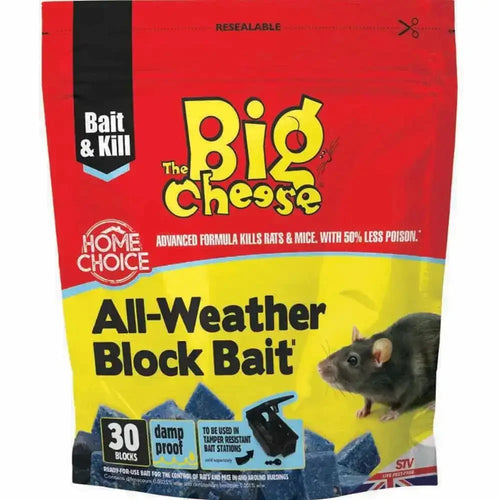
Pest Control: Pests such as aphids, caterpillars, and snails can cause significant damage to plants. Preventing pests from taking over your garden is a key aspect of plant protection. Methods include natural predators (like ladybugs for aphids), traps, and organic pest control solutions such as neem oil or insecticidal soaps.
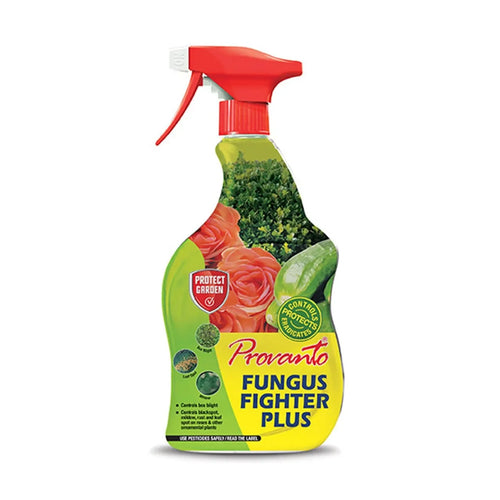
Fungus Control for Plants: Fungal diseases such as powdery mildew, rust, and blight can weaken or even kill plants if left unchecked. Fungus control involves applying fungicides or using natural remedies like garlic or baking soda mixtures to prevent and treat fungal infections. Keeping plants well-spaced and avoiding overwatering also helps reduce the risk of fungus.
Physical Barriers: Another effective method of plant protection is using physical barriers. This includes netting or row covers to keep insects away, fences or wire mesh to protect plants from animals, and mulch to retain moisture and protect plant roots from extreme temperatures.
Proper Watering Practices: Overwatering or underwatering can stress plants, making them more vulnerable to disease and pests. Ensure your plants receive the right amount of water according to their specific needs and the environmental conditions.
Soil Health: Healthy soil promotes strong plant growth and better resistance to pests and diseases. Using compost, organic fertilizers, and mulch helps improve soil health, providing plants with the nutrients they need to fight off pests and diseases naturally.
Preventing & Treating Plant Fungus
Fungal infections can be a major problem for plants, causing yellowing leaves, stunted growth, and premature death. Fungus thrives in warm, moist conditions, making your garden an ideal target. However, you can take several steps to control fungus and keep your plants healthy:
Use Fungicides: There are both chemical and organic fungicides available to treat fungal infections. Organic options like neem oil or copper-based fungicides are less harmful to beneficial insects and the environment, making them ideal for organic gardening.
Improve Air Circulation: Fungi thrive in damp, poorly ventilated conditions. Ensure your plants are spaced out properly to allow air to circulate around them, reducing the likelihood of fungal infections.
Watering Techniques: Water your plants at the base rather than overhead to prevent moisture from settling on leaves. This reduces the chances of fungus spreading.
Remove Infected Plant Material: If you notice signs of fungal disease, promptly remove and dispose of affected plant parts to prevent the disease from spreading to healthy plants.
Mulching: Applying a layer of mulch around your plants helps prevent soil-borne fungi from splashing onto plant leaves during rainfall or irrigation.
Common Plant Protection Products
Insecticides and Repellents: These products are designed to target and control specific pests. You can choose chemical or organic options, depending on your gardening preferences and the level of infestation.
Fungicides: As mentioned, fungicides are used to control fungal diseases and prevent the spread of harmful spores. These come in both organic and synthetic formulations, with organic options often being safer for beneficial insects and the environment.
Herbicides: While herbicides are typically used to control weeds, they can also play a role in plant protection by preventing competition for nutrients and space. However, they should be used cautiously to avoid harming desirable plants.
Plant Growth Regulators: These products are designed to help control the growth of plants, encouraging stronger, healthier development and preventing diseases related to weak stems or leaves.
Prevention Tips for Healthy Plants
Choose Disease-Resistant Varieties: When selecting plants for your garden, look for varieties that are resistant to common pests and diseases in your area. This will reduce the need for chemical interventions and help your plants thrive naturally.
Regular Inspection: Regularly inspect your plants for signs of pests or diseases. Early detection can make it easier to manage the problem before it becomes widespread.
Maintain Healthy Soil: Healthy soil promotes healthy plants. Ensure your soil is rich in nutrients and well-drained, and regularly amend it with compost and organic matter to boost plant health.
Rotate Crops: In vegetable gardens, crop rotation helps prevent the buildup of pests and diseases in the soil. Avoid planting the same type of plant in the same location year after year to break the lifecycle of pests and pathogens.
FAQs
How do I know if my plants have a fungal infection?
Signs of fungal infection include yellowing or wilting leaves, moldy spots, white or grayish powder on leaves, and black or brown spots on plant surfaces. If you notice any of these symptoms, take action to control the fungus.
Are organic pest control products effective?
Yes, many organic pest control products like neem oil, diatomaceous earth, and insecticidal soap are effective in managing pests. They are often safer for beneficial insects and the environment compared to synthetic chemicals.
Can I use plant protection products on edible plants?
Yes, there are many plant protection products available that are safe for edible plants. Look for products that are labeled as safe for food crops or choose organic solutions to minimize chemical exposure.
How can I protect my plants from animals like rabbits and deer?
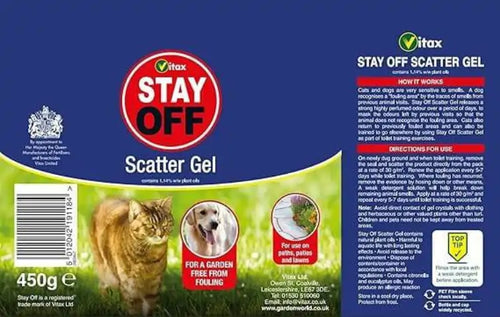
To protect plants from animals, use physical barriers like fences or netting, or apply animal repellents. Some gardeners also plant species that animals dislike, such as lavender or marigolds.
How often should I apply fungicide to my plants?
The frequency of fungicide application depends on the type of plant and the fungal disease. For preventive treatment, fungicides may need to be applied every 7-14 days during the growing season. Always follow the manufacturer’s guidelines for best results.