

Plant Food
Plant Food
 SALE
SALE
 SALE
SALE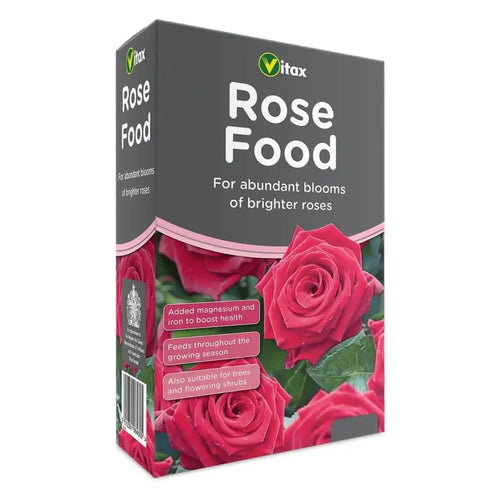
 SALE
SALE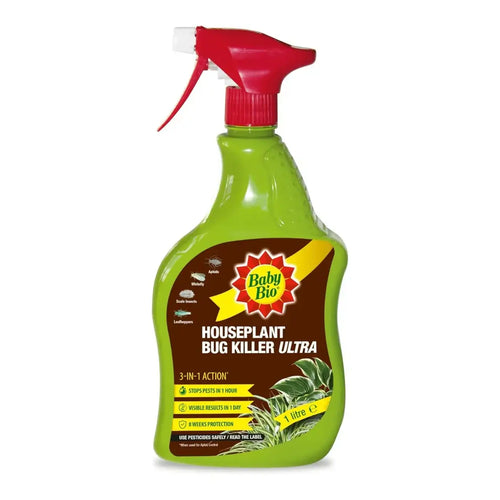
 SALE
SALE
Essential Nutrients for Healthy, Thriving Plants
Just like people need food for energy and growth, plants also require nutrients to thrive. Plant food, often referred to as plant fertilizer or plant nutrients, plays a crucial role in providing the necessary elements that plants need to grow strong, healthy, and vibrant. Whether you’re tending to houseplants, roses, or orchids, choosing the right plant food ensures your plants receive the nutrients they need for optimal health.
What is Plant Food?
Plant food is a mixture of essential nutrients and minerals that plants need to grow and thrive. These nutrients are typically divided into two categories:
Macronutrients: These are nutrients that plants need in large quantities, including nitrogen (N), phosphorus (P), and potassium (K). These three are the primary nutrients and are typically referred to as NPK on fertilizer labels.
Nitrogen (N): Promotes healthy leaf and stem growth.
Phosphorus (P): Supports strong root development and flower/fruit production.
Potassium (K): Strengthens plant cells and helps with overall plant health, disease resistance, and water uptake.
Micronutrients: These are nutrients that plants need in smaller amounts but are still vital for their overall health, including calcium, magnesium, sulfur, iron, manganese, and others.
The right balance of these nutrients helps plants grow robust, producing healthy foliage, vibrant flowers, and abundant fruits or vegetables. Plant food is available in various forms, including liquid fertilizers, granules, slow-release pellets, and organic compost.
Types of Plant Food
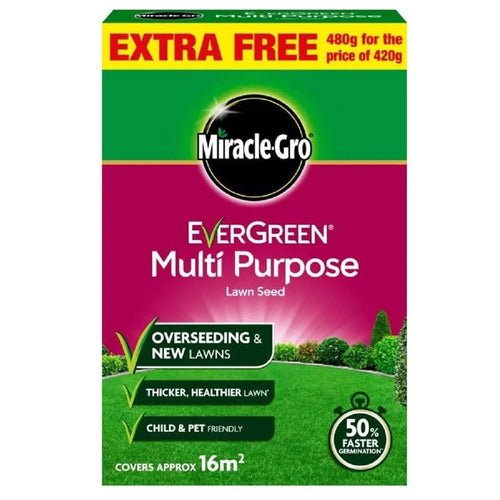
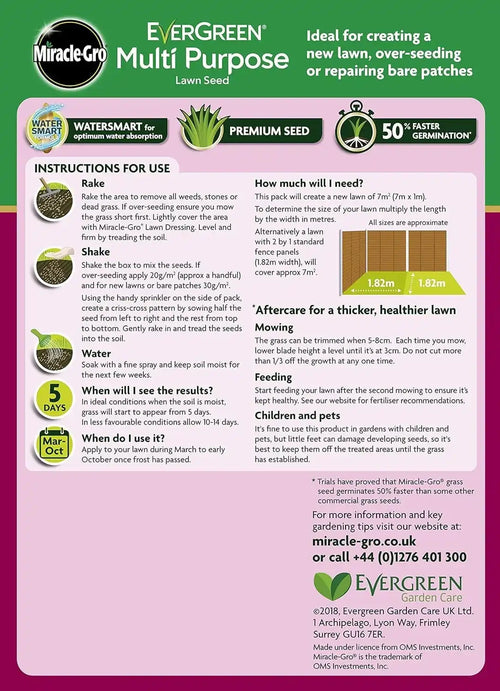
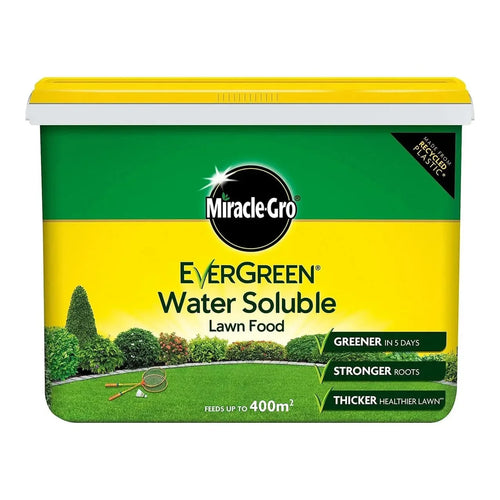
All-Purpose Plant Food: This type of plant food is formulated to meet the nutritional needs of a wide variety of plants. It typically has a balanced NPK ratio, making it suitable for general use in gardens, houseplants, and even vegetables.
Specialized Plant Food: Some plants require specific nutrients for optimal growth. Specialized plant food is designed for plants with unique needs, such as roses, orchids, or indoor plants. These fertilizers are tailored to provide the ideal nutrient balance for each plant type.
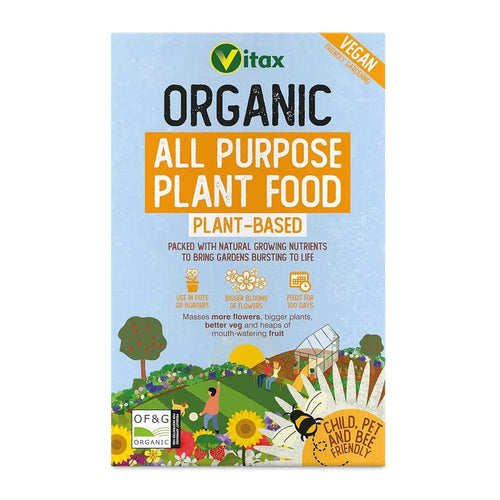
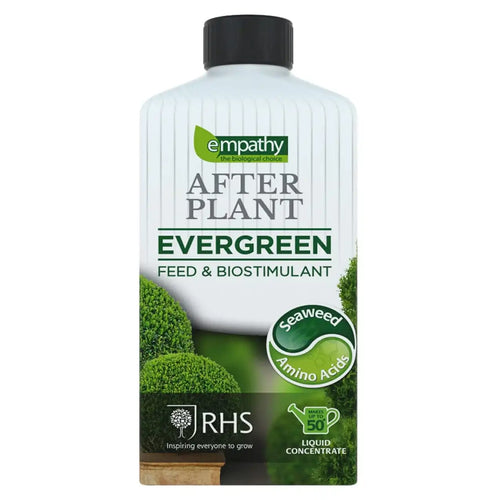
Organic Plant Food: Organic plant food is made from natural ingredients like compost, manure, or plant matter. These fertilizers slowly release nutrients into the soil, promoting sustainable plant growth. Organic plant food is often preferred by gardeners looking for environmentally friendly options.
Liquid Fertilizer: Liquid plant food is easy to apply and is absorbed quickly by plants. It’s often used for fast-growing plants or plants that need a quick nutrient boost. It can be applied directly to the soil or as a foliar spray.
Slow-Release Fertilizer: Slow-release plant food is designed to release nutrients gradually over time. This type of fertilizer is ideal for plants that require a steady supply of nutrients. It’s often used in outdoor gardens, rose beds, and larger plantings.
Plant Food for Different Types of Plants
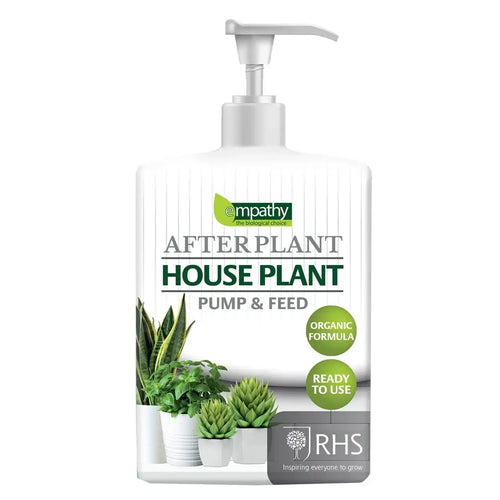
House Plant Food: Feeding Indoor Plants
Indoor plants require specific nutrients to thrive, as they don’t have access to the natural soil environment that outdoor plants do. House plant food provides these essential nutrients, promoting strong, healthy growth in the indoor environment. Here are some things to consider when feeding houseplants:
Balanced Fertilizer: Most houseplants do well with a balanced fertilizer that provides an equal amount of nitrogen, phosphorus, and potassium. An all-purpose liquid or slow-release fertilizer is usually sufficient for most houseplants.
Frequency of Feeding: Indoor plants typically require less frequent feeding than outdoor plants, but it still depends on the plant type. Generally, you can fertilize houseplants every 4-6 weeks during their growing season (spring and summer) and reduce the frequency in the fall and winter when plant growth slows.
Avoid Over-Fertilizing: Too much plant food can lead to nutrient burn or damage the roots. Always follow the manufacturer's recommended application rates and ensure the soil is properly watered before applying fertilizer.
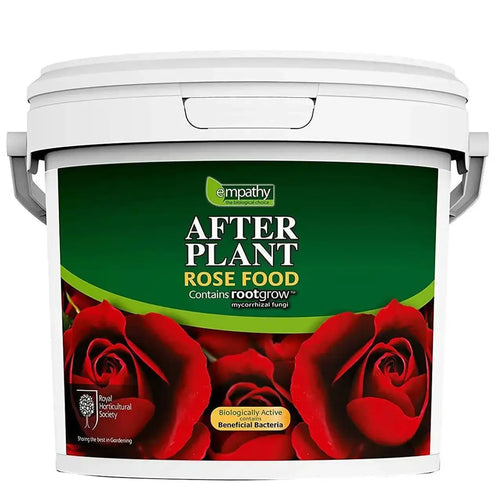
Food for Rose Plants: Ensuring Vibrant Blooms
Roses are heavy feeders, meaning they require a nutrient-rich environment to grow healthy and produce beautiful blooms. To get the best results, use a specialized rose plant food that provides the right balance of nutrients:
High in Phosphorus: Rose food is often higher in phosphorus (the middle number on the fertilizer label) to encourage strong root development and vibrant flower production.
Slow-Release Formula: Using a slow-release fertilizer can ensure that your roses receive a steady supply of nutrients over time. This helps prevent nutrient deficiencies and promotes continuous blooming.
Feeding Schedule: Roses should be fed in early spring, just as new growth begins, and then again after the first flush of blooms. Feed them once a month during the growing season, but stop fertilizing in late summer to allow them to harden off before winter.
Organic Options: Organic fertilizers like composted manure or fish emulsion are excellent choices for roses, as they provide a slow, steady supply of nutrients and improve soil structure over time.
Orchid Nutrients for Exotic Growth
Orchids are unique plants that have specific nutrient requirements for healthy growth. Because they often grow in specific environments (like tropical forests), they need special care to thrive indoors.
Low-Nitrogen Fertilizer: Orchids typically need a fertilizer with a lower nitrogen content. Too much nitrogen can cause excessive foliage growth at the expense of blooms. A balanced fertilizer with a higher amount of phosphorus and potassium is ideal.
Specialized Orchid Fertilizers: Many orchid-specific fertilizers are available, designed to provide the nutrients orchids need in the right proportions. These fertilizers may also contain trace elements that are important for orchid health, such as calcium and magnesium.
Feeding Frequency: Orchids should be fed every 2-4 weeks during the growing season. Use a diluted orchid fertilizer to avoid overfeeding. It’s also important to water your orchids well before fertilizing to prevent root burn.
Organic Orchid Food: Organic options like seaweed extract and fish emulsion can be used to feed orchids. These organic fertilizers are gentle on the plants and provide essential nutrients in a form that’s easily absorbed by the roots.
Tips for Using Plant Food
Follow Instructions: Always follow the manufacturer’s instructions when applying plant food. Over-fertilizing can lead to nutrient burn, while under-fertilizing can result in weak growth and poor blooming.
Water Before Fertilizing: Always water your plants before applying fertilizer to avoid root burn. Wet soil helps the nutrients disperse more evenly and ensures the plant’s roots absorb them properly.
Use the Right Fertilizer for the Season: During the growing season (spring and summer), plants need more nutrients, so you may need to fertilize more frequently. In the fall and winter, many plants go dormant, and fertilization should be reduced.
Organic vs. Synthetic: Organic fertilizers release nutrients slowly and improve soil health over time, while synthetic fertilizers provide quick results but don’t improve soil quality. Choose the one that best suits your gardening style and plant needs.
FAQs
Can I use the same plant food for all types of plants?
While many all-purpose fertilizers can be used for most plants, specific plants (like orchids or roses) often require specialized fertilizers to meet their unique needs.
How often should I fertilize my houseplants?
Generally, houseplants should be fertilized every 4-6 weeks during their growing season (spring and summer). Reduce or stop fertilizing in the fall and winter when plant growth slows down.
Is organic plant food better than synthetic fertilizer?
Organic plant food is better for long-term soil health, as it improves the soil structure and provides slow-release nutrients. Synthetic fertilizers are effective for quick results but don’t improve soil over time.
What’s the best plant food for orchids?
Orchids thrive on low-nitrogen, high-phosphorus fertilizers. Use a specialized orchid fertilizer or a diluted liquid fertilizer designed for orchids.
Can I make my own plant food?
Yes, you can make your own organic plant food using materials like compost, coffee grounds, and fish emulsion. Homemade solutions can provide natural nutrients for your plants, but ensure they are used in the correct proportions.