



Rodent Control
Rodent Control


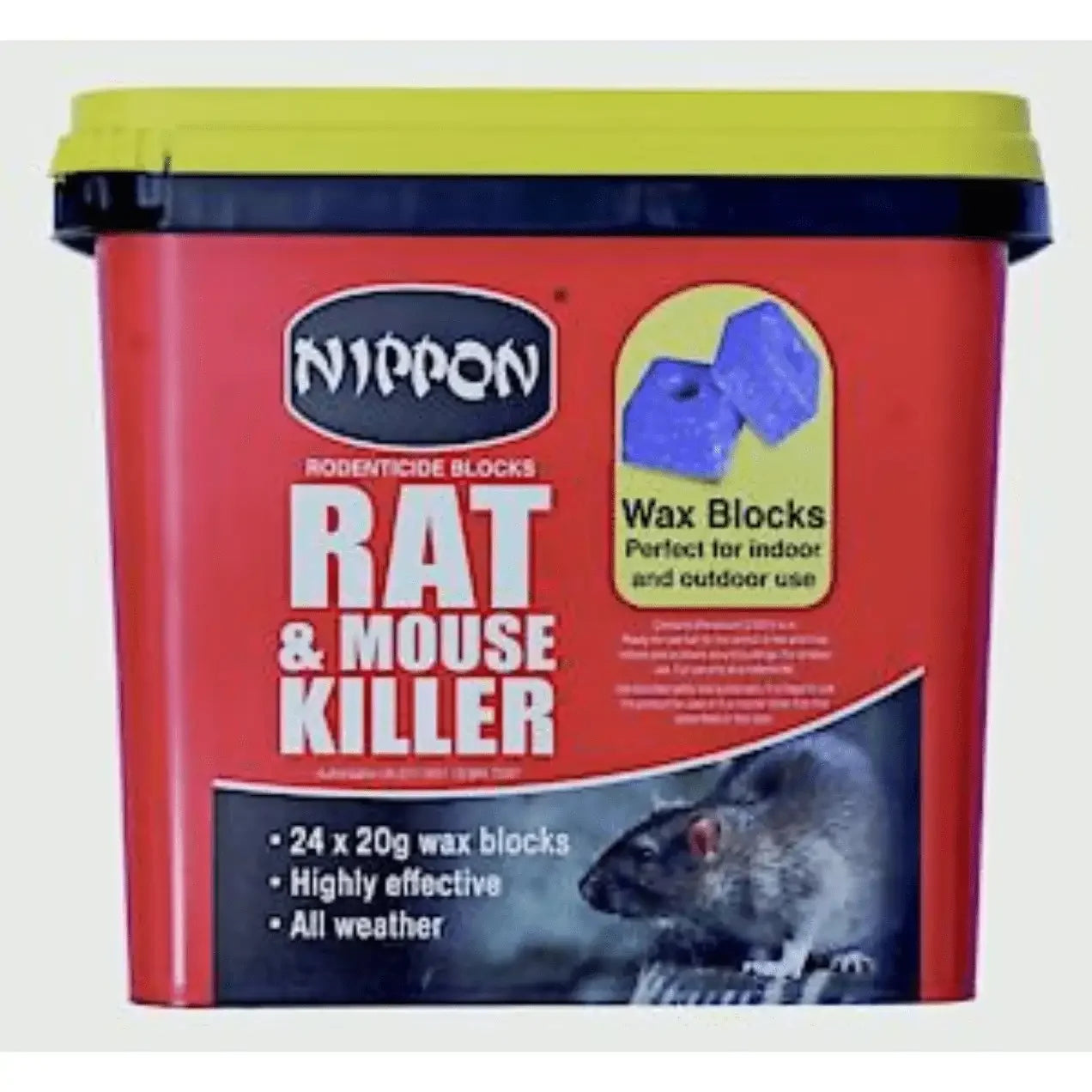

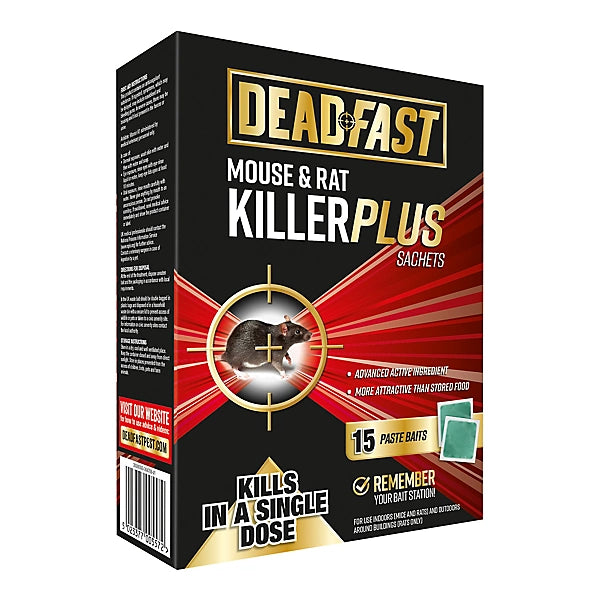
Rodents, such as mice and rats, can be a significant nuisance in homes and gardens. Not only do they cause damage to property by chewing through wires, insulation, and food containers, but they can also spread diseases and attract other pests. Effective rodent control is essential for keeping your living spaces safe, healthy, and free from these persistent invaders.
Why Rodent Control is Important
Rodents can cause a range of problems in your home or business:
Health Risks: Rodents are known to carry diseases such as leptospirosis, salmonella, and hantavirus, which can be transmitted through their urine, feces, or bites.
Property Damage: Mice and rats often chew through electrical wires, wooden structures, and even furniture, which can lead to costly repairs and fire hazards.
Contamination: Rodents are notorious for contaminating food with their droppings, urine, and fur, which can lead to health risks for you and your family.
Preventing and controlling rodent infestations is crucial to maintaining a safe and clean living environment.
Common Rodents and the Problems They Cause
Mice: Mice are small, agile rodents that can easily enter homes through cracks, gaps, or even open doors. They are known to build nests in hidden places like attics, walls, and basements. While mice are less destructive than rats, they can still cause significant damage and contamination.
Rats: Rats are larger than mice and more aggressive in their search for food. They are commonly found in kitchens, storage areas, and even inside walls. Rats are known to chew through almost anything, including electrical wires, which can lead to fire hazards.
Squirrels: While not as common inside homes, squirrels can become a problem if they enter attics or roofs. They can chew through insulation, wires, and wood and often leave nests in hidden areas.
Other Rodents: There are other rodent species, such as voles or gophers, which are typically more of an outdoor concern but can still damage gardens, lawns, or structures if left unchecked.
Methods for Rodent Control
1. Prevention
The first step in rodent control is to prevent them from entering your home. Rodents can slip through even the smallest cracks and gaps, so sealing entry points is crucial.
Seal Gaps and Cracks: Inspect your home for holes or cracks around windows, doors, vents, and pipes, and seal them with caulk or steel wool. Mice and rats can squeeze through openings as small as a quarter.
Use Door Sweeps: Install door sweeps on exterior doors to block gaps at the bottom where rodents can enter.
Store Food Properly: Keep food in airtight containers and clean up crumbs and spills immediately. Rodents are attracted to food sources, and easily accessible food can encourage infestations.
Trim Trees and Shrubs: Cut back trees and bushes that are close to your home, as they can provide pathways for rodents to access your roof or attic.
2. Rodent Traps
Traps are one of the most effective ways to capture and remove rodents from your home. There are several types of traps to consider:
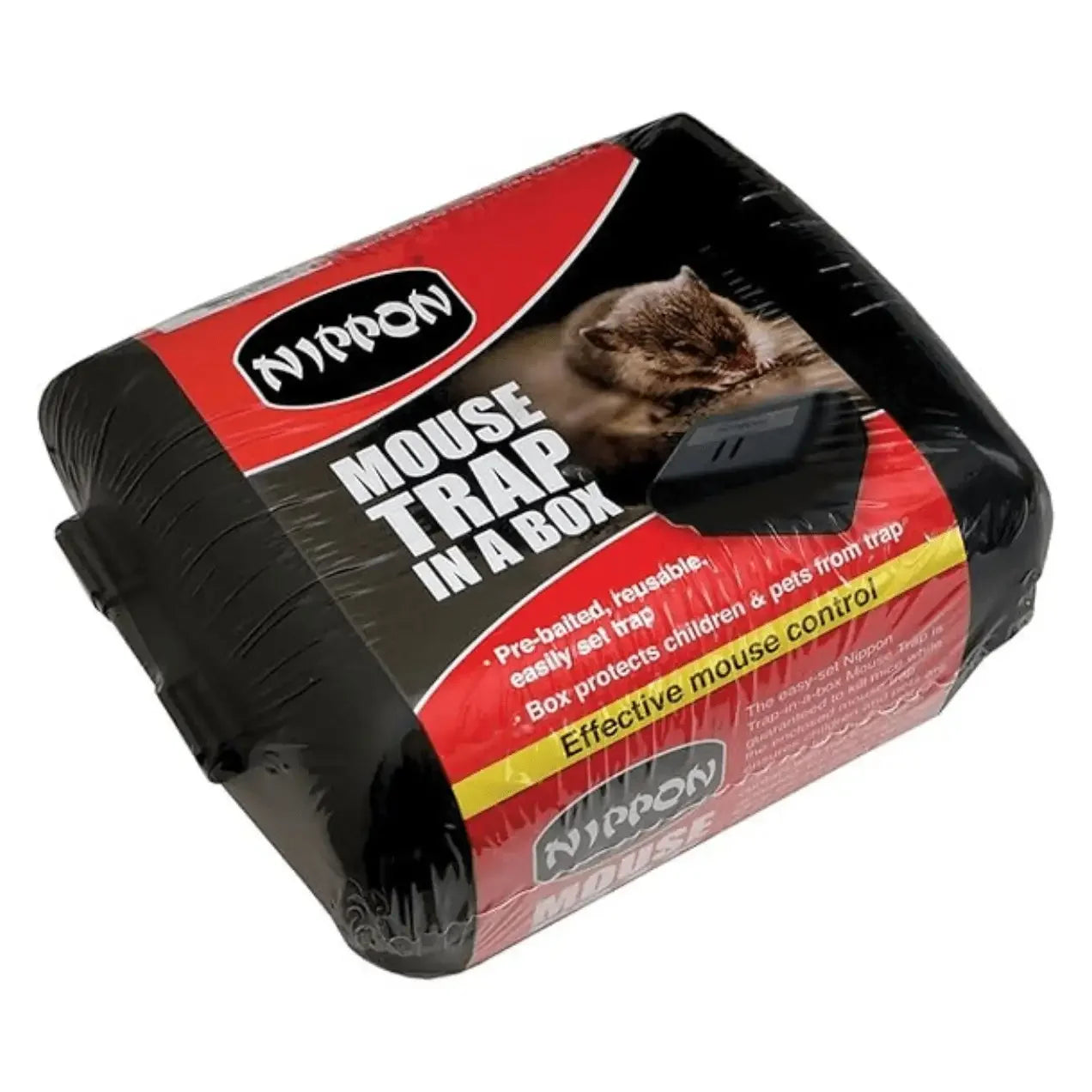
Snap Traps: These are the most traditional and effective traps. They work by quickly killing the rodent when it triggers the trap. Snap traps are ideal for mice and rats, but should be placed in areas where pets and children cannot reach them.
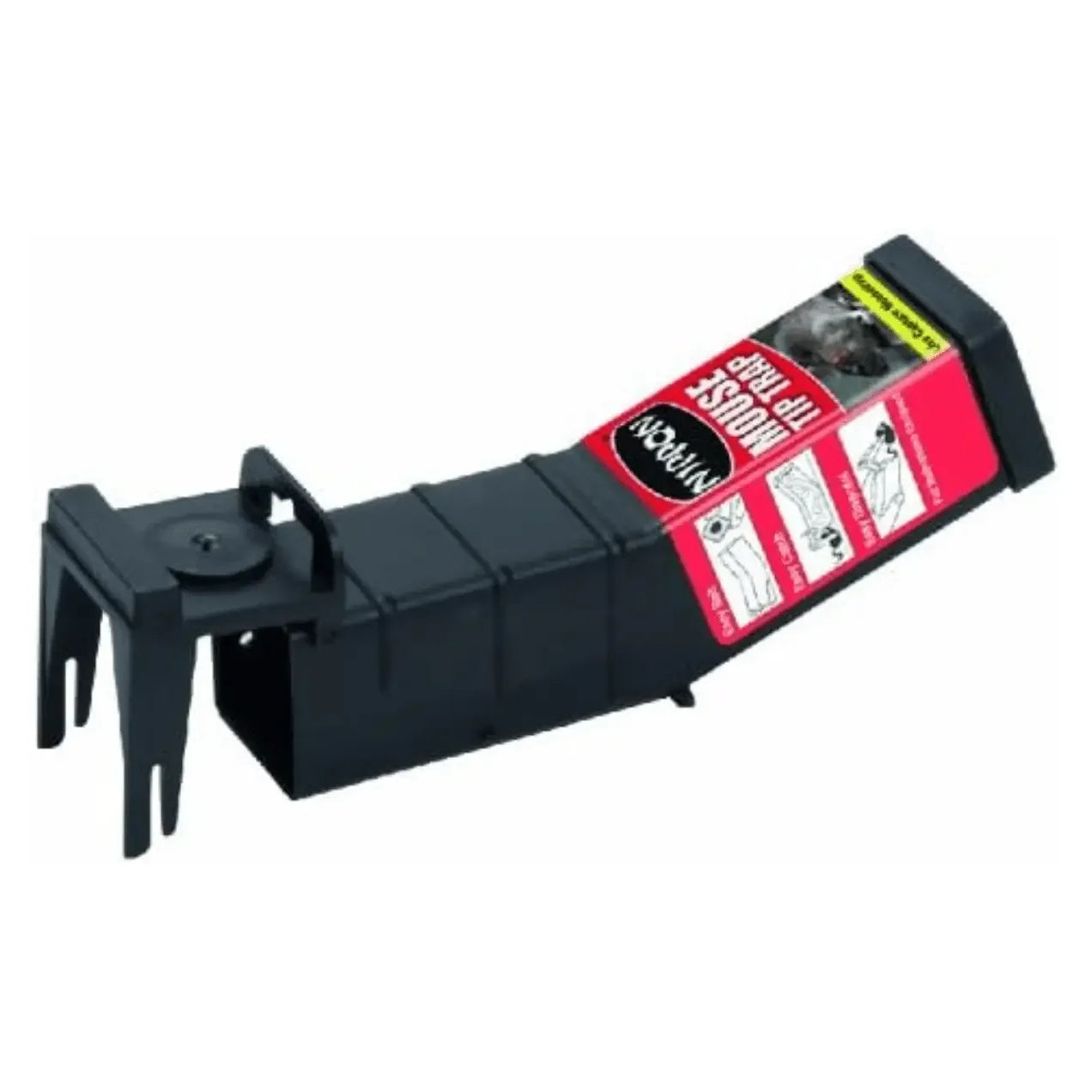
Live Traps: Live traps capture rodents alive, allowing you to release them away from your home. These traps are ideal for those who prefer a humane approach to rodent control, but they require frequent checking to avoid stress or injury to the trapped animal.
Glue Traps: These traps are coated with a sticky adhesive that catches rodents when they walk across it. However, glue traps are considered inhumane by many because the rodent may suffer before dying. Use them with caution.
Electronic Traps: These traps kill rodents quickly using a high-voltage shock. They are easy to use and require minimal handling of the dead animal.
3. Rodenticides (Poison)
Rodenticides are chemicals designed to kill rodents, but they should be used with extreme caution. If not used properly, rodenticides can pose serious risks to children, pets, and wildlife.
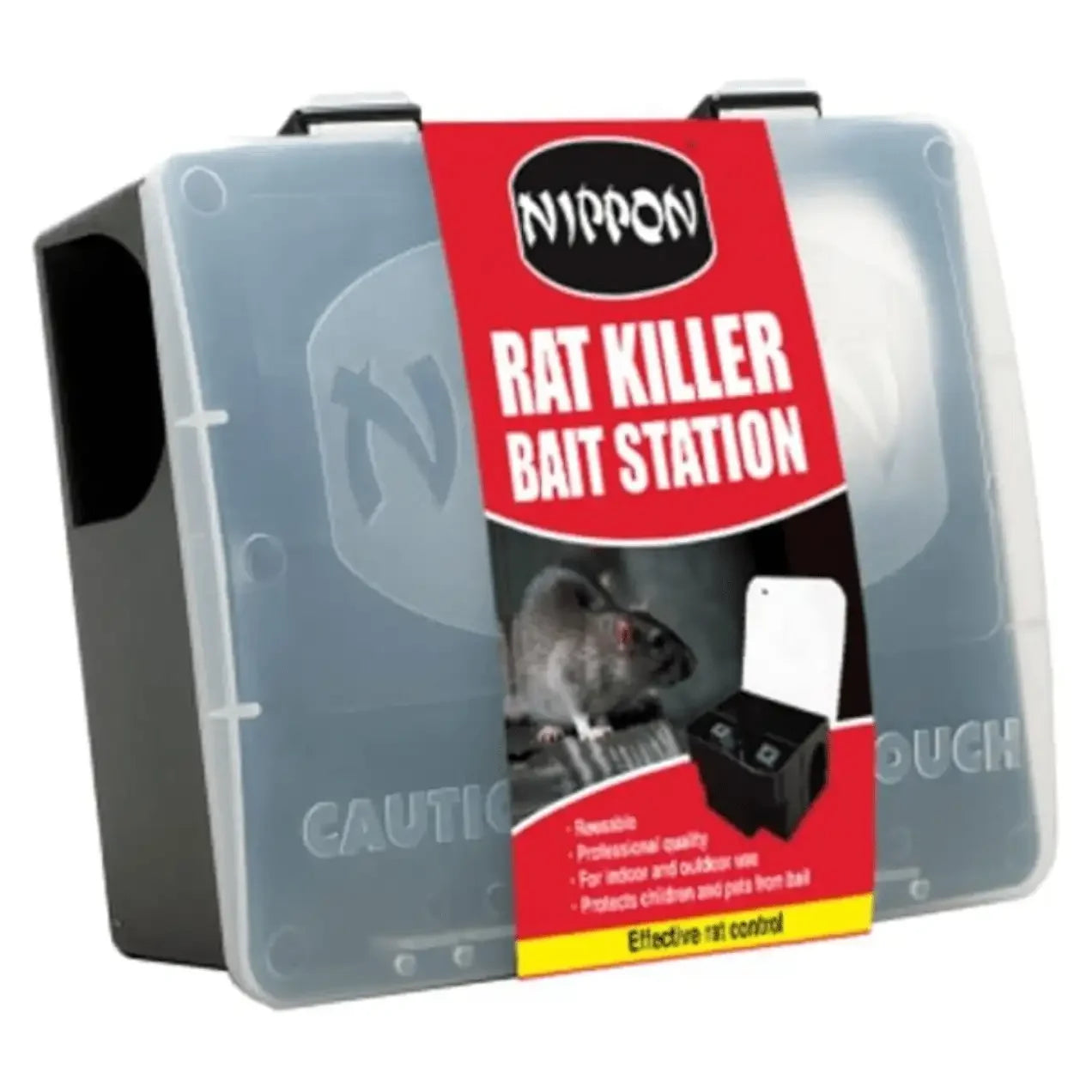
Bait Stations: Poison baits are typically placed in enclosed bait stations, which prevent access to non-target animals. These stations are placed in areas where rodents are most likely to travel, such as along walls or in attics.
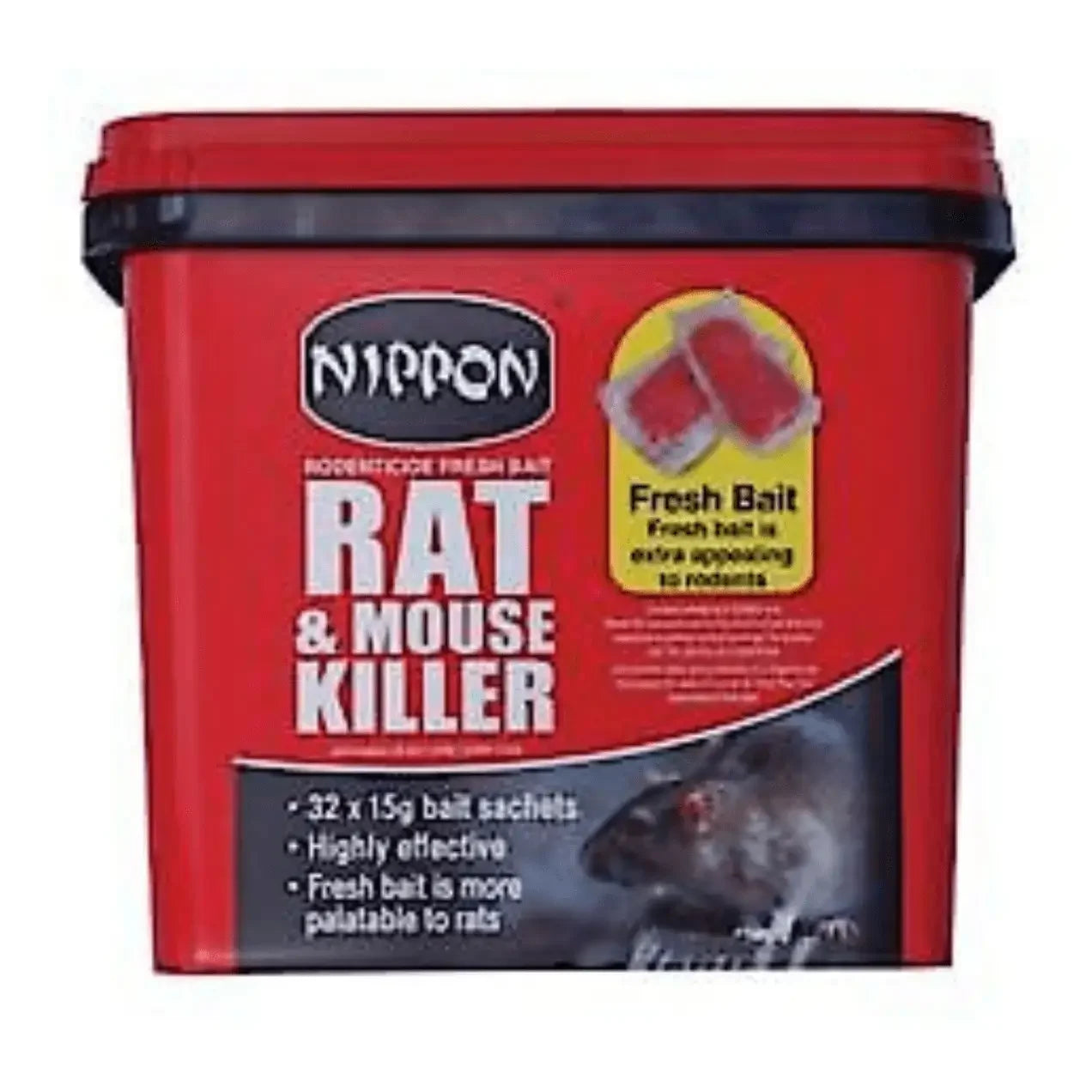
Rodent Poison Blocks: These are solid blocks of poison that are placed in areas where rodents are active. Rodents consume the blocks, and the poison slowly kills them.
Rodenticides should be used as a last resort, and you should follow the manufacturer’s instructions closely to prevent accidental poisoning of pets or wildlife.
4. Ultrasonic Repellents
Ultrasonic rodent repellents emit high-frequency sound waves that are inaudible to humans but can cause discomfort to rodents. These devices are designed to drive rodents away without the need for traps or chemicals. However, their effectiveness is debated, and they may not work in every situation.
5. Professional Pest Control
If you have a significant rodent infestation or cannot control the problem yourself, it may be time to call in a professional pest control service. Pest control experts have the tools, knowledge, and experience to safely and effectively deal with rodent problems.
Tips for Effective Rodent Control
Inspect your home regularly: Check for signs of rodent activity such as droppings, gnaw marks, or holes in walls. Early detection allows for quicker intervention.
Use a combination of methods: For the best results, use traps, baits, and repellents together to target rodents from multiple angles.
Keep your home clean: Regularly clean your home to remove food scraps and other attractants. Store food in sealed containers, and don’t leave pet food out overnight.
Seal potential entry points: Ensure that windows, doors, vents, and pipes are tightly sealed. Use steel wool or caulk to fill gaps and holes around your home.
FAQs
1. How can I prevent rodents from entering my home?
Seal cracks and gaps around doors, windows, and pipes, and ensure all entry points are properly sealed. Keep food sources secure and remove trash regularly.
2. Is it safe to use rodent poison in my home?
Rodenticides can be effective, but they should be used with caution, especially in homes with pets or children. Use enclosed bait stations to keep the poison out of reach of non-target animals.
3. How do I know if I have a rodent infestation?
Signs of a rodent infestation include droppings, gnaw marks on food packaging or furniture, and sightings of the animals themselves, especially at night.
4. What are some natural ways to repel rodents?
Some natural repellents include peppermint oil, cayenne pepper, and cloves. You can place cotton balls soaked in peppermint oil near entry points to discourage rodents from entering.
5. Can I use traps for both mice and rats?
Yes, traps can be used for both mice and rats. However, make sure to choose traps that are specifically designed for the size of the rodent you're dealing with.