


Rose Pest Control
Rose Pest Control




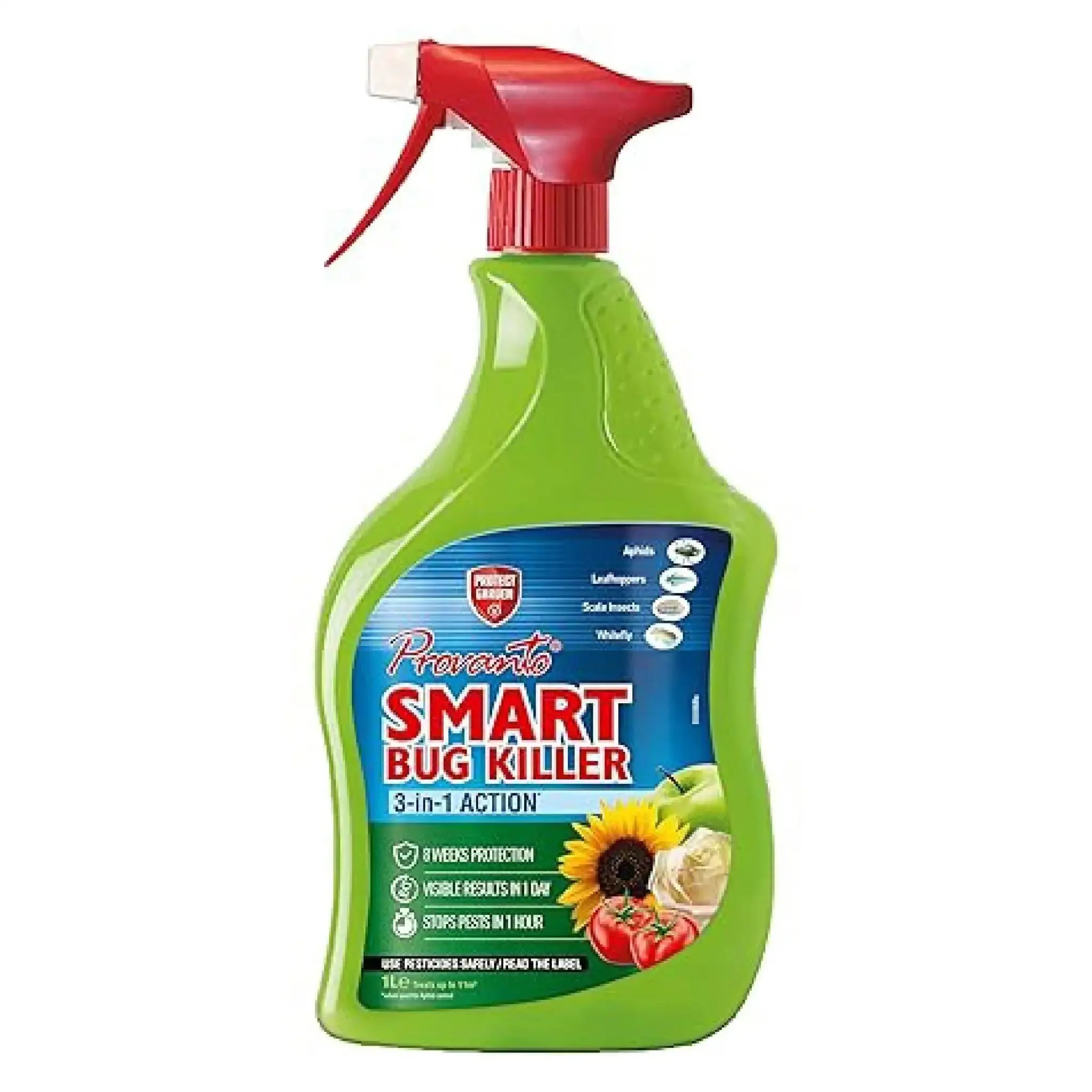


Roses are known for their beauty and elegance, but unfortunately, they can also attract a variety of pests that can damage or destroy them. Effective rose pest control is essential to ensure your roses stay healthy and vibrant throughout the growing season. Whether you’re dealing with aphids, Japanese beetles, or powdery mildew, there are several ways to protect your roses and keep them free from pests. In this guide, we’ll explore the best pest control methods for roses, with a focus on natural and organic solutions.
Why Rose Pest Control is Important
Roses are prone to a variety of pests that can cause significant damage to their leaves, stems, and flowers. Insects like aphids, spider mites, and beetles can weaken the plant by feeding on its sap, leading to stunted growth and even death if left unchecked. Fungal diseases like powdery mildew can also affect roses, causing white, powdery spots on the leaves.
Rose pest control helps maintain the health of your plants, ensuring they stay vibrant and continue to bloom beautifully. By addressing pest problems early and using effective control methods, you can avoid damage and keep your roses thriving in your garden.
Common Rose Pests
Aphids: These tiny insects are one of the most common pests on roses. They feed on plant sap, causing leaves to curl and yellow. Aphids also excrete a sticky substance called honeydew, which can lead to the growth of sooty mold on the leaves.
Japanese Beetles: These beetles are notorious for eating rose leaves, petals, and even stems. They can cause significant damage to roses, leaving behind skeletonized leaves and weakened plants.
Spider Mites: These tiny arachnids are difficult to see with the naked eye, but they can cause major damage to roses. Spider mites suck the sap from the leaves, causing them to become speckled, yellow, and ultimately fall off.
Rose Slugs: Rose slugs are larvae of sawflies that feed on rose leaves, leaving behind holes and a ragged appearance. They can quickly defoliate a rose bush if not controlled.
Whiteflies: These tiny, flying insects feed on the sap of rose plants and can cause yellowing leaves and stunted growth. They also produce honeydew, which attracts mold.
Thrips: Thrips are small, slender insects that feed on rose petals and leaves. They can cause distorted growth and leave brown streaks on the flowers and leaves.
Best Chemical Pest Control for Roses
While natural methods are often preferred, there are situations where chemical treatments may be necessary, especially for severe infestations. If you decide to use chemical pesticides, choose products that are labeled safe for roses and follow the manufacturer’s instructions carefully.
Systemic Insecticides: Systemic insecticides are absorbed by the plant and circulate through the tissues, providing internal protection against pests like aphids and whiteflies. These insecticides are effective but should be used sparingly, as they can harm beneficial insects.
Pyrethrin-Based Pesticides: Pyrethrins, derived from chrysanthemums, are effective at killing a wide range of pests, including aphids, beetles, and caterpillars. Pyrethrin-based pesticides should be used in the early morning or late evening to avoid harming pollinators like bees.
Horticultural Oils: Horticultural oils work by suffocating pests and their eggs, making them an effective treatment for scale insects, aphids, and mealybugs. These oils are effective but should be used with caution during hot weather to prevent plant damage.
Organic Pest Control for Roses
For gardeners who prefer organic solutions, there are plenty of effective, chemical-free ways to control pests on roses. Organic pest control for roses focuses on using natural ingredients and methods to protect plants while preserving the health of the environment.
Organic Neem Oil: Neem oil is one of the most popular organic solutions for pest control. It’s effective against a variety of pests and has the added benefit of being a natural fungicide. It’s safe to use on roses and other plants, making it a versatile organic solution.
Garlic Spray: Garlic is a natural pest repellent that can help deter aphids, thrips, and other pests from your roses. Simply blend garlic with water, strain it, and spray it directly onto the affected areas.
Biological Control: Using natural predators like ladybugs, predatory beetles, and parasitic wasps can help control pests without chemicals. These beneficial insects target aphids, caterpillars, and other pests that harm your roses.
Preventative Measures for Rose Pest Control
Prune Regularly: Regular pruning helps maintain the shape of your rose bush and removes damaged or diseased branches. This helps improve air circulation and prevents pests from taking hold.
Inspect Your Roses Regularly: Early detection is key to preventing pest infestations. Regularly inspect your roses for signs of pests, such as discolored leaves, holes, or sticky residue.
Clean Garden Tools: Clean your pruning tools and gardening equipment regularly to prevent the spread of pests and diseases from one plant to another.
Mulch Your Roses: Applying a layer of mulch around your roses can help keep the soil moist, regulate temperature, and prevent weed growth. It also helps protect the roots from pests like root-feeding insects.
FAQs
What’s the best way to prevent aphids on roses?
Aphids can be controlled with natural predators like ladybugs, neem oil, or insecticidal soap. You can also use a strong stream of water to knock aphids off the plant.How do I get rid of Japanese beetles on my roses?
Japanese beetles can be controlled with neem oil, pyrethrin-based insecticides, or by handpicking them off your roses. You can also use beetle traps to reduce their numbers.Is neem oil safe for roses?
Yes, neem oil is safe for roses and is an effective solution for controlling pests like aphids, spider mites, and mealybugs. However, it’s best to apply neem oil in the early morning or late evening to avoid harming beneficial insects.How often should I apply pest control to my roses?
It depends on the severity of the pest problem. For preventive treatments, applying pest control products every 7-14 days is effective. For active infestations, you may need to apply treatments more frequently until the issue is resolved.
Can I use chemical pesticides on my roses?
Yes, chemical pesticides can be used if necessary, but it’s important to choose products that are safe for roses and follow the instructions carefully. Opting for organic solutions is often a better choice for long-term garden health.